Millions budgeted, but little visible change in Region 2
Residents want to know exactly where the money that has been budgeted for service delivery is going. They say there are no significant changes on the ground.
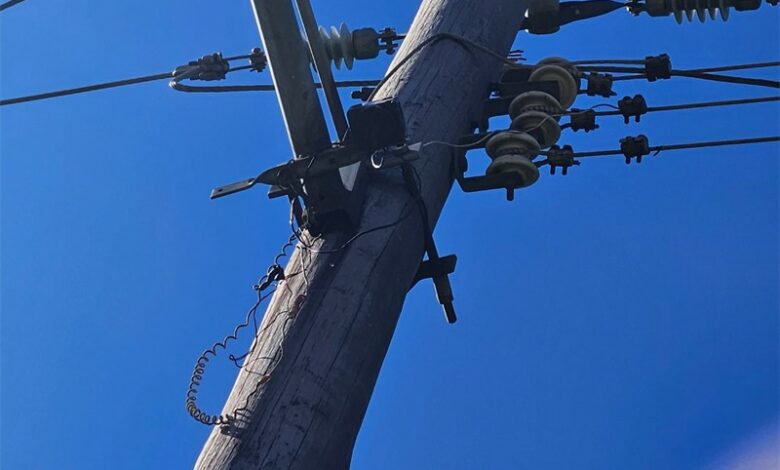
While many communities continue to battle deteriorating roads, broken streetlights, recurring outages and neglected public spaces, residents across Region 2 are demanding answers from the Tshwane metro.
The controversy follows the release of the metro’s Draft Budget and Integrated Development Plan for the 2026/27 financial year.
The budget allocated almost R40-million for electricity reticulation and maintenance material, almost R55-million for water purification, and a separate amount for over R16-million for electricity reticulation only. Also, nearly R5-million were budgeted for roads, and close to R1-million for recreational facilities in Region 2.
Despite the allocations, residents in areas including Sinoville, Montana, and Ward 50 say service delivery on the ground tells a very different story.
“Where is the money going?” has become the question repeatedly raised by frustrated residents who claim they are still dealing with unreliable municipal services and crumbling infrastructure.
Metro spokesperson Lindela Mashigo defended the municipality’s spending and maintenance operations, saying Region 2 currently meets the metro’s prescribed norms and standards.
Mashigo said the metro’s Water and Sanitation Operations teams conduct daily maintenance and operational work on a water network that reaches almost 2 000km, an almost 760km sanitation network and 12 sewer pump stations.
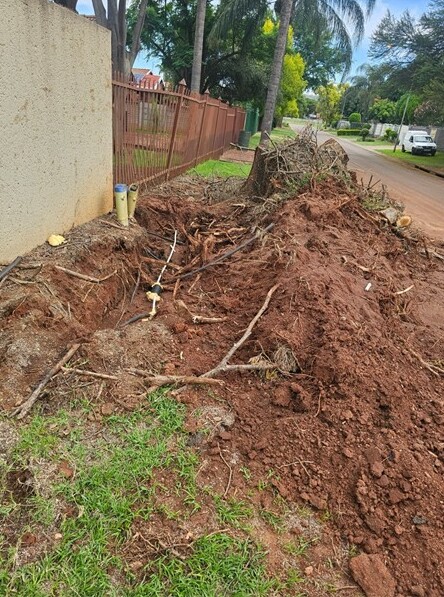
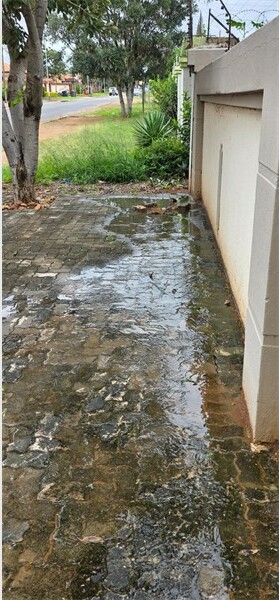
“Their responsibilities include repairing pipe leaks, replacing water meters, unblocking sewers, and operating and maintaining pump stations.
“The operations teams work according to established norms and standards, with a target turnaround time of 48 hours to attend to reported complaints. Region 2 is currently meeting these norms and standards.”
Regarding the R54.6-million allocation for water purification, Mashigo confirmed that the funding relates to the Temba Water Treatment Plant, which supplies water to the Hammanskraal areas.
Mashigo also explained that the R39.4-million allocated for electricity reticulation and maintenance material is not tied to specific projects, but forms part of the operational maintenance budget for the upkeep and repair of electrical infrastructure.
According to the metro, the funding will be used across medium-voltage and low-voltage networks, substations, streetlights, and high-mast lights.
“The budget is utilised on an ‘as and when required’ basis to respond to faults, breakdowns, vandalism, theft-related damage, and general maintenance requirements across the network,” said Mashigo.
He added that the budget is divided between contracted services for maintenance work and the procurement of materials needed for operational repairs.
“At this stage, it is not possible to provide a detailed allocation per section or activity, as the final approved operational budget breakdown for the 2026/27 financial year has not yet been received,” he said.
The municipality further stated that standard operating procedures are in place to ensure procurement processes are monitored by regional heads to avoid unnecessary delays and ensure funds are spent within the required timeframes.
Mashigo said all work completed is inspected by metro foremen or technicians for quality assurance before jobs are officially closed on the system.
Ward 50 councillor Lenise Breytenbach said residents in her ward are not seeing the results promised by the budget figures.
“The figures in the draft budget look substantial on paper, but in Ward 50 we are not seeing that translate into visible service delivery,” she said.
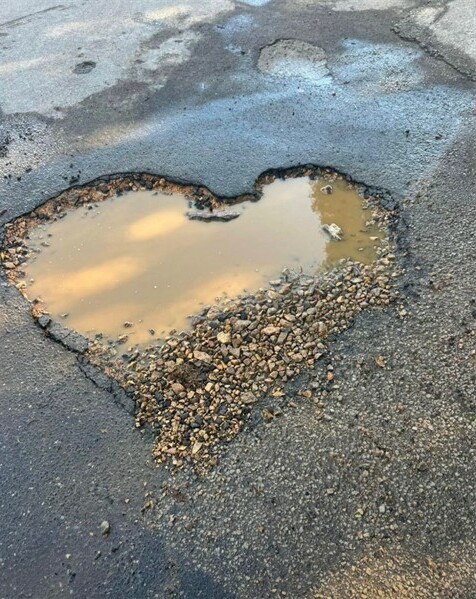
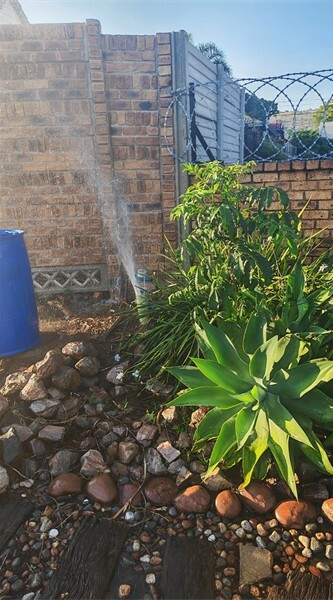
Breytenbach highlighted several ongoing concerns affecting residents, including unfixed streetlights, unrepaired potholes and recurring water and electricity failures.
“Faults are closed on the system without work being done, leaving areas in darkness and increasing crime risk,” she said.
She added that residents in Erras and the Melt Marais street plots are increasingly relying on private security and generators because municipal services are unreliable.
“The question residents are asking is the right one: Where is the money going if roads are deteriorating, outages are recurring, and public spaces are not maintained?” said Breytenbach.
The councillor said she will submit written questions to the metro requesting a breakdown of how much of the allocations are actually spent in Ward 50, on which projects and within what timelines.
“Residents deserve accountability, not just budget lines. Until we see work on the ground matching the allocations on paper, trust in the budget process will remain low.”
A Montana resident, Gabriel Stevens, said many residents have become frustrated after repeatedly reporting the same problems.
“We pay rates and taxes every month, but we still sit with potholes, broken streetlights and power interruptions. It feels like residents are being ignored,” he said.
A resident from Sinoville, Seth van der Merwe, questioned why infrastructure conditions continue to deteriorate despite the large budget allocations.
“You hear about millions being allocated, but the reality in the suburbs is different. Roads are damaged, parks are neglected, and service complaints often take weeks to resolve,” he said.
Do you have more information about the story?
Please send us an email to bennittb@rekord.co.za or phone us on 083 625 4114.
For free breaking and community news, visit Rekord’s websites: Rekord East
For more news and interesting articles, like Rekord on Facebook, follow us on Twitter or Instagram or TikTok or WhatsApp Channel