Pretoria east residents await feedback on unresolved petitions
Metro officials maintain that petitions submitted by residents are investigated and monitored through structured administrative systems, although residents continue raising concerns about delayed implementation and poor feedback.
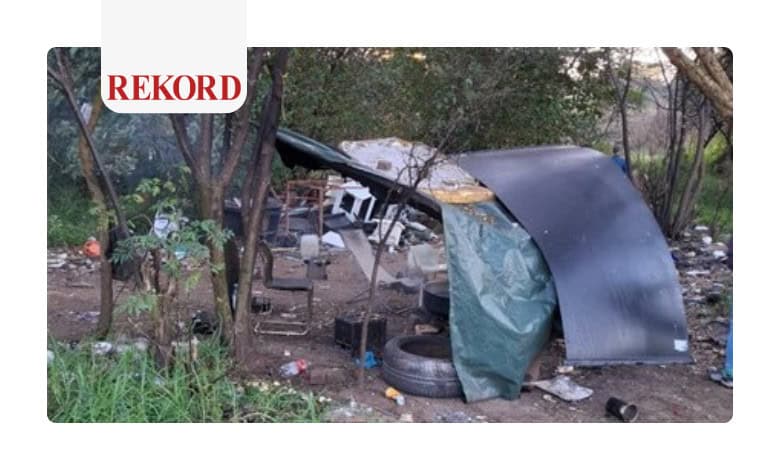
The Tshwane metro has defended its petition system, saying all submissions are formally recorded, assessed, and monitored through internal processes intended to ensure accountability and follow-through.
Metro spokesperson Lindela Mashigo said petitions follow a structured administrative process once submitted.
“Once a petition is received, it is formally recorded and referred to the relevant department for assessment and investigation. Recommendations are then submitted to the appropriate decision-making structures for consideration and further action,” Mashigo said.
He added that petitions are not merely acknowledged but tracked within municipal systems.
“Petitions are tracked through internal reporting and management processes. Where action is required, implementation plans are developed and monitored by the responsible departments,” he said.
However, residents say the reality on the ground tells a different story, with long-standing issues remaining unresolved despite repeated engagements and submissions.
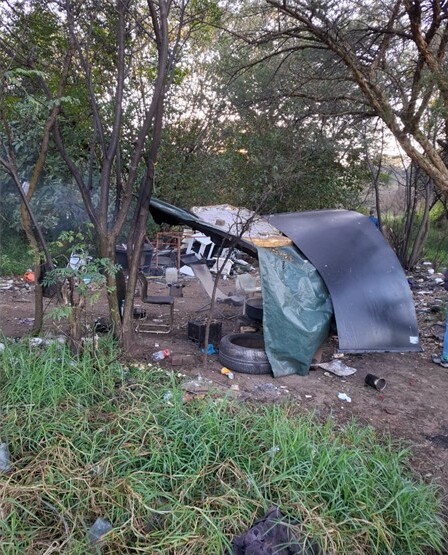
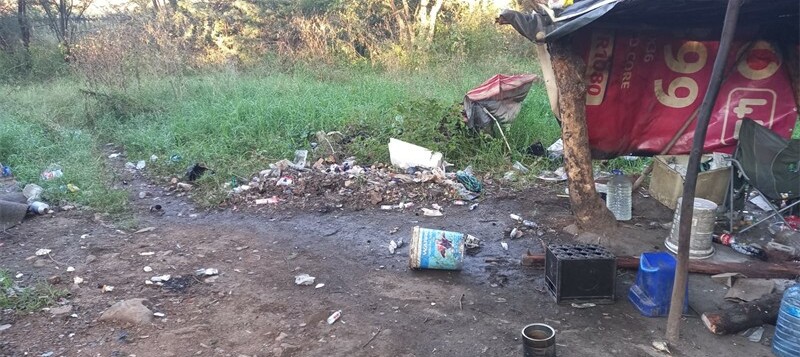
In Elardus Park, resident Shawn Fouché said a petition submitted last year regarding concerns linked to the Garstkloof landfill site has not resulted in any meaningful response from the metro.
“It was submitted last year but we never got any response from the metro and the matter has not been addressed. It is getting worse,” Fouché said.
She added that she does not believe the metro pays attention to petitions submitted by communities.
Residents across Pretoria east have also raised concerns about ongoing petitions relating to the Menlo Park garden refuse site and traffic calming measures in Lynnwood Ridge. They say they continue to wait for updates on whether these matters have been approved, rejected or are still under review.
Ward Councillor Lida Erasmus said petitions submitted by residents are indeed investigated, but implementation is often delayed due to financial constraints within the metro.
“The problem is with the budget and that is why past issues raised in petitions have not been fixed or attended to,” Erasmus said.
She added that the Section 79 committee meets monthly to review and consider petitions submitted by residents and communities.
While the metro maintains that petitions are an important mechanism for public participation and influence service delivery planning, residents argue that the lack of visible outcomes continues to undermine confidence in the process.
Do you have more information about the story?
Please send us an email to bennittb@rekord.co.za or phone us on 083 625 4114.
For free breaking and community news, visit Rekord’s websites: Rekord East
For more news and interesting articles, like Rekord on Facebook, follow us on Twitter or Instagram or TikTok or WhatsApp Channel