Metro identifies three Centurion sites for possible recycling facilities
The proposed facilities will aim to improve road safety while creating a more structured and environmentally sustainable environment for informal recyclers.
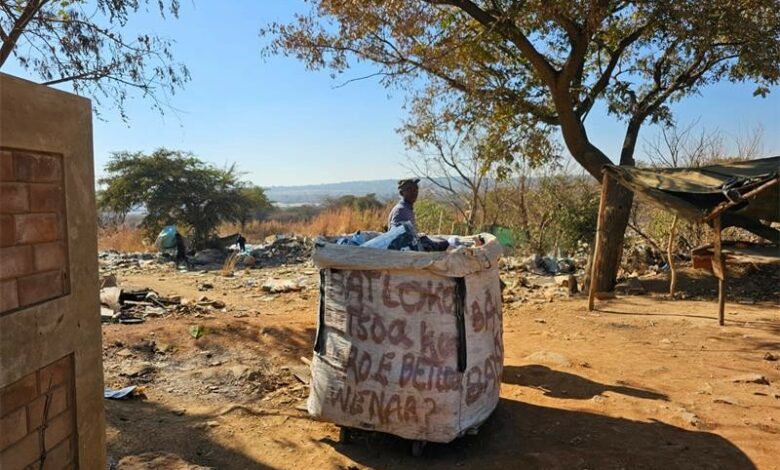
Three properties in Centurion are among six sites identified by the Tshwane metro in regions 4 and 6 for the possible development of multipurpose recycling facilities.
This is as the metro moves ahead with plans to formalise and better regulate informal recycling activities across Pretoria.
The identified sites form part of the municipality’s plans to establish dedicated recycling facilities aimed at improving safety along the city’s roads while creating a more structured environment for waste recyclers.
According to metro spokesperson Lindela Mashigo, the identified sites are currently undergoing further evaluation and assessment in accordance with the city’s Integrated Waste Management Plan.
“The proposed facilities are aimed at supporting and regulating recycling activities in a safe, regulated and environmentally sustainable manner, while reducing the risks associated with recyclers sorting and transporting waste materials along busy roads,” he said.
The proposed sites identified in Region 4 include Erf 8 in Sunderland Ridge at 21 Ellman Street, Erf 424/R in Hennops Park Ext 15, and Erf 1123/2/6/R in Claudius Ext 1.
The remaining three proposed sites are located in Mamelodi and include Site 4/19683 on Sibande Street, Erf 29081 at the corner of Shilouhane Street and Ribungwana Drive in Mamelodi East, and Site 113 on Shilovhane Street in Ext 5.
The metro’s plans follow ongoing public concerns raised in various parts of Centurion and other areas of Pretoria regarding the presence of informal waste pickers operating on high-traffic roads.
Motorists have previously raised concerns about the potential safety risks posed to both drivers and recyclers, particularly during peak traffic periods when waste pickers push heavily loaded trolleys along major arterial routes and intersections.
Motorist Susan du Plessis from Lyttelton previously told Rekord that the increasing number of waste pickers pushing overloaded trolleys along major roads across the city has become a serious concern for many motorists.
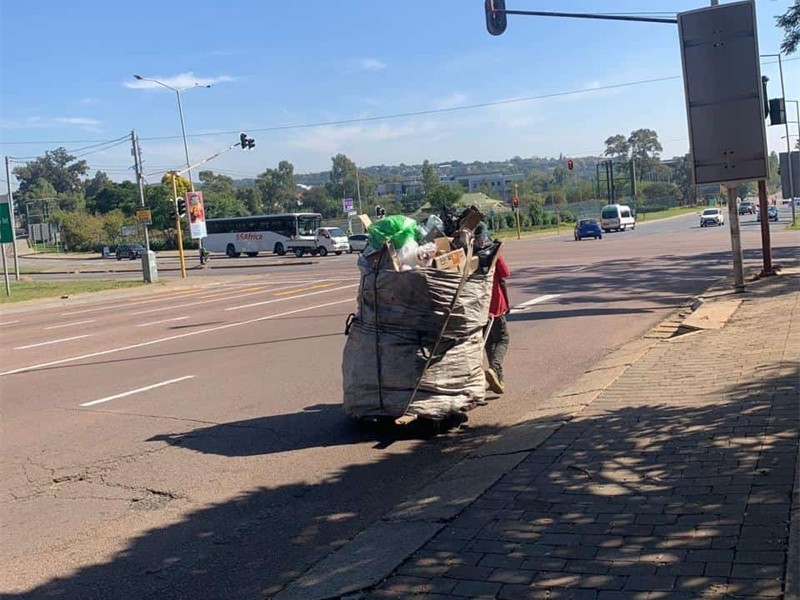
According to Du Plessis, the situation is especially worrying during peak traffic periods when road space is already limited.
“It is important to know who would be held liable should an accident occur involving one of these individuals and a motorist. Many of the waste pickers move between lanes or along narrow road shoulders during busy traffic periods, and that creates dangerous situations for everyone on the road,” she said.
Du Plessis emphasised the urgent need for stricter management and safer operating spaces, despite understanding that many recyclers depend on this work for their survival.
“There needs to be a proper system in place that protects both recyclers and motorists. At the moment, it often feels unregulated, and that is where the concern lies.”
In response, the metro said it recognises the important role informal recyclers play in advancing the circular economy and promoting waste recovery. It however stressed that recycling activities must take place within an established regulatory framework to ensure public and environmental safety.
At the time, Mashigo stated that the municipality continues to implement the objectives outlined in the national guidelines developed by the National Department of Forestry, Fisheries, and the Environment.
“These encourage collaboration with informal recyclers while ensuring that recycling activities are conducted in a safe and environmentally acceptable manner,” he said.
He added that the municipality continues to enforce relevant by-laws aimed at preventing environmental and public nuisances associated with waste sorting and recycling activities.
Mashigo also explained that the metro established the Integrated By-law Enforcement Committee, which consists of various internal enforcement stakeholders responsible for co-ordinating by-law enforcement across Pretoria.
According to him, the committee also deals with environmental infringements, including illegal waste sorting and recycling activities that may negatively affect road safety and traffic flow.
“The city is reviewing its waste management by-law to align with emerging national objectives relating to the circular economy as outlined in the Waste Management Act,” said Mashigo.
He added that the review process includes consideration of additional measures aimed at improving the management and regulation of informal recycling activities within Pretoria.
He noted that the municipality is finalising collaboration agreements with various private-sector stakeholders within the waste recycling industry to create more structured opportunities for informal recyclers.
“One of the key objectives of these partnerships is to create opportunities for informal recyclers to access and participate in the formal waste recycling value chain,” he said.
Mashigo stated that the metro’s planned interventions aim to balance public safety and support livelihoods in the informal recycling sector.
“These interventions are intended to improve public safety and traffic flow while creating a more structured environment for informal recyclers to operate,” he added.
ALSO READ: These areas of Pretoria will be affected by days-long water disruption from Friday
Do you have more information about the story?
Please send us an email to bennittb@rekord.co.za or phone us on 083 625 4114.
For free breaking and community news, visit Rekord’s websites: Rekord East
For more news and interesting articles, like Rekord on Facebook, follow us on Twitter or Instagram or TikTok or WhatsApp Channel