Movie initiative challenges harmful gender norms among boys
Educators in Pretoria say creating safe spaces for boys to speak openly about trauma, relationships and emotional well-being could play a crucial role in preventing gender-based violence before it starts.
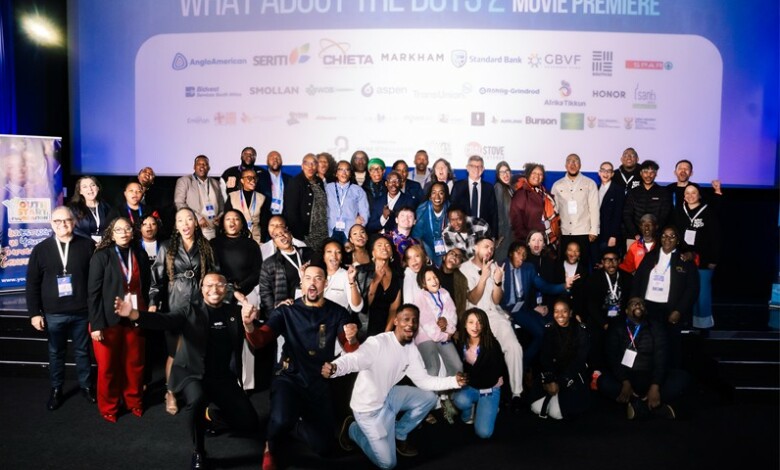
Schools across Pretoria are participating in the growing national What About The Boys 2 (WATB2) initiative, a preventative programme aimed at reshaping harmful gender norms and creating emotionally supportive spaces for young people.
The initiative, led by PrimeStars and the YouthStart Foundation, was launched in 2022 and has reached more than 60 000 boys in over 180 schools nationally. The programme is active across all nine provinces and combines cinema-based learning, mentorship, and guided discussions around masculinity, emotional well-being, and relationships.
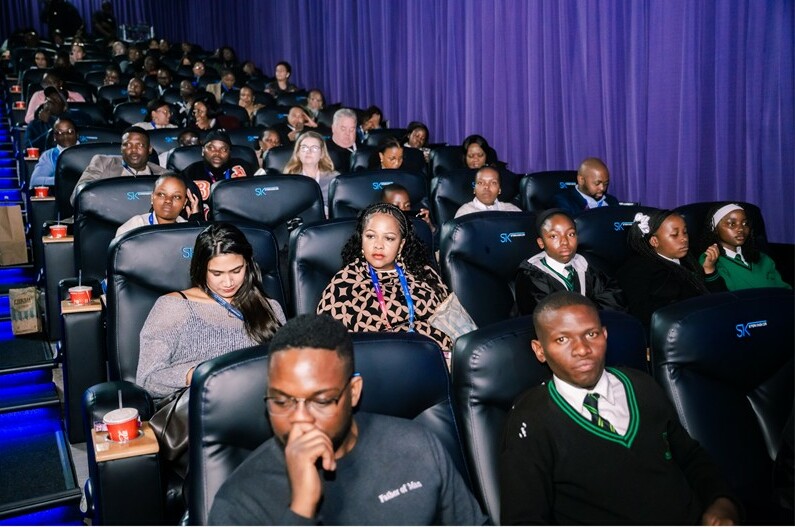
Pretoria schools participating in the programme include MH Baloyi Secondary, IR Lesolang Secondary School, Tebogwana Secondary School, LEAP Science and Maths School, and Ribane-Laka Secondary School.
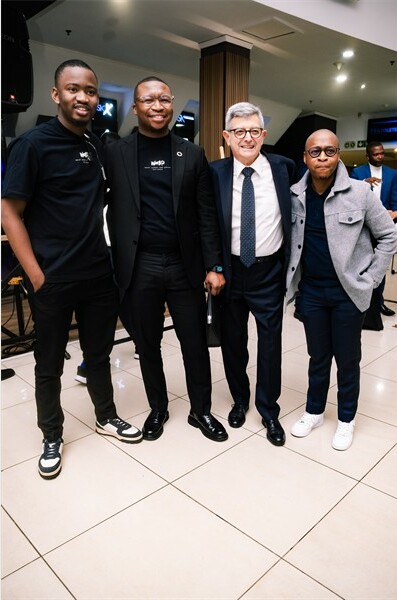
According to the CEO of PrimeStars, Nkosinathi Moshoana, the programme was created after recognising that many boys were carrying emotional wounds linked to fatherlessness, trauma, violence, and social pressure.
“While South Africa was rightly increasing its focus on empowering and protecting girls and women, we were not paying enough attention to the emotional and social development of the country’s boys,” explained Moshoana.
He said the initiative focuses on prevention rather than reaction, adding that South Africa cannot “police or prosecute its way out of gender-based violence”.
“Prevention must begin far earlier, in our schools, homes, communities and in the beliefs young people inherit about identity, power, respect and relationships,” he shared.
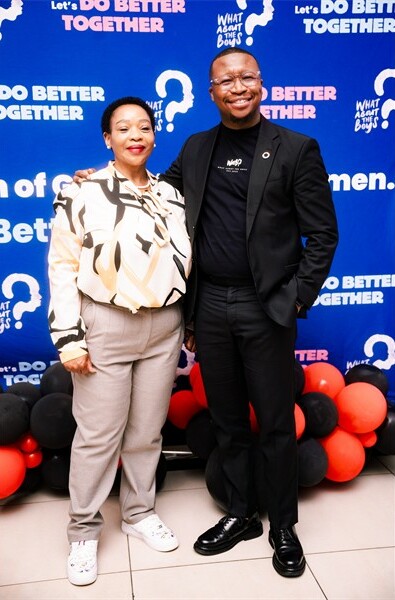
.
Independent evaluations from the programme’s first phase revealed a reported 67% reduction in bullying in participating schools, while mentors also observed increased emotional openness among learners.
Moshoana explained that many boys enter the programme believing emotional vulnerability is a weakness, but gradually begin opening up about deeply personal experiences.
“One learner from KwaZulu-Natal said, ‘I never imagined healing felt like this’,” added Moshoana.
Educators from Pretoria schools say they have already witnessed the importance of creating spaces where boys feel safe enough to speak about their struggles.
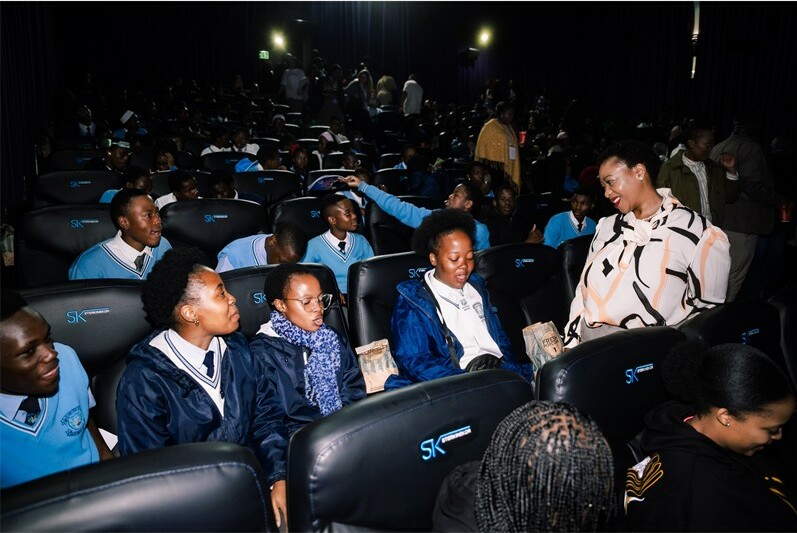
Sthembile Dhlamini from MH Baloyi Secondary School said the programme immediately stood out as something both the school and its learners needed.
“Our boys come from very disadvantaged backgrounds. We felt boys are neglected, so when we were invited to the initiative, I did not hesitate to accept the opportunity,” explained Dhlamini.
Dhlamini said one Grade 11 learner approached her after attending the WATB2 movie premier on May 16 and shared that he was witnessing gender-based violence (GBV) at home involving his parents.
“He felt he was in a safe space and he could talk,” shared Dhlamini.
The learner has since been connected with social workers for support.
She added that the initiative also helps learners better understand emotional well-being, cyberbullying, and unhealthy relationships.
“This movie really is an eye-opener and a need for all the learners in South Africa,” expressed Dhlamini.
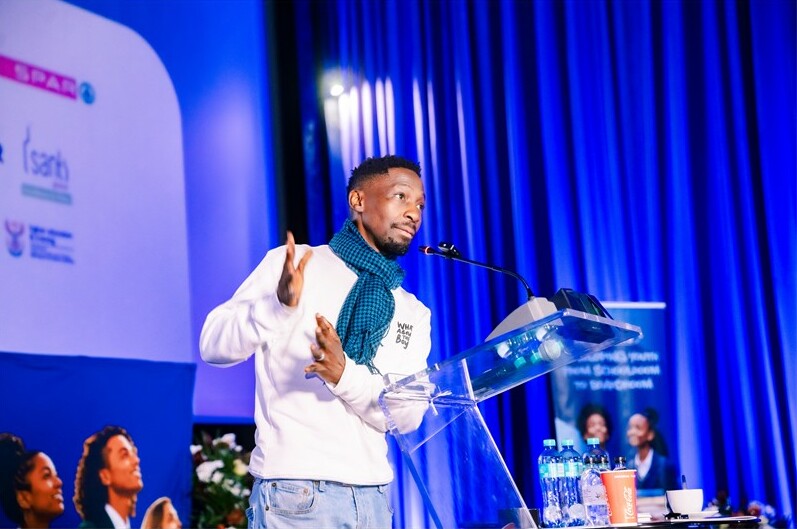
Meanwhile, the Deputy Principal of Ribane-Laka Maths, Science and ICT School of Specialisation, Hlubi Mdingi, said schools have a responsibility to address the root causes of GBV.
“Schools are not just places for academic instruction; they are the primary social environments where young people’s values and identities are formed,” explained Mdingi.
Mdingi said many boys lack access to positive male role models and psychosocial support outside of school, making initiatives like WATB2 especially important.
The second phase of the programme now includes girls in the discussions for the first time through a dual-gender intervention model aimed at encouraging shared conversations around respect, accountability and equality.
Speaking about the future of the initiative, Moshoana said the long-term vision is to build a generation of emotionally healthy and socially conscious young people.
“We do not only want young people to survive South Africa. We want them to shape South Africa,” concluded Moshoana.
Do you have more information about the story?
Please send us an email to bennittb@rekord.co.za or phone us on 083 625 4114.
For free breaking and community news, visit Rekord’s websites: Rekord East
For more news and interesting articles, like Rekord on Facebook, follow us on Twitter or Instagram or TikTok or WhatsApp Channel