Street child reunited with family after dedicated community effort
Persistent work by volunteers and social support services led to a breakthrough that helped return a vulnerable boy to his family after years apart.
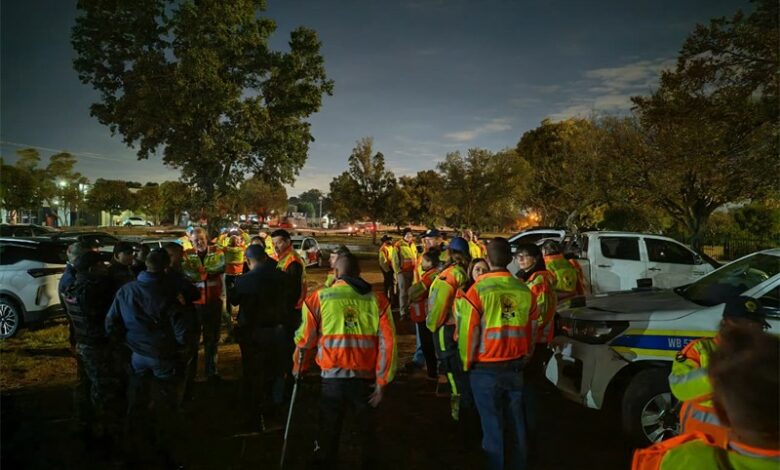
What began as a routine patrol in Valhalla turned into a weeks-long effort by the Wierdabrug Community Policing Forum to help reunite a vulnerable boy found sleeping on the streets with his family.
According to Wierdabrug CPF chairperson Daniël van Rooyen, patrollers first came across the boy during an evening patrol near the BP garage in Valhalla on April 5.
“We were out patrolling like we normally do. Part of that includes checking on homeless individuals sleeping in the area,” he said.
“When the patrollers saw him, it stood out immediately because he looked much younger than the individuals they would usually encounter. He told patrollers that he was 17, but he looked much younger.”
Concerned for his well-being, members continued to check on him during regular patrols across the area.
Van Rooyen said at the time little was known about the boy’s circumstances. Members were unsure how long he had been living on the streets or how he had arrived in Valhalla.
“We don’t know when he arrived here or how he got here. People living on the streets sometimes just appear, and you don’t always know where they’ve come from or what brought them there,” he said.
Over time, what started as concern grew into a co-ordinated effort by a small group of CPF volunteers.
Van Rooyen explained several volunteers became involved, regularly checking whether the boy was safe, bringing him food and clothing, and trying to build trust with him while gathering enough information to help trace his background.
“Every patrol past the area became a check-in. Members kept updating one another whenever they saw him. There was a real concern for his safety.”
As volunteers spent more time with him, fragments of his story slowly began emerging. He reportedly spoke about his father living on the streets as well and recalled having family in Mabopane, but many details remained unclear and difficult to verify.
When volunteers spent more time with him, they realised they could not leave the situation as it was.
After repeated visits, CPF members began contacting social workers, child protection organisations, police and shelters in an effort to find assistance.
Eventually, the boy agreed to accept help and was taken to the Department of Social Development offices in Pretoria, where the formal process of placing him in care began.
Van Rooyen said the process was far from straightforward, with no identification documents, limited family details and several administrative hurdles delaying progress.
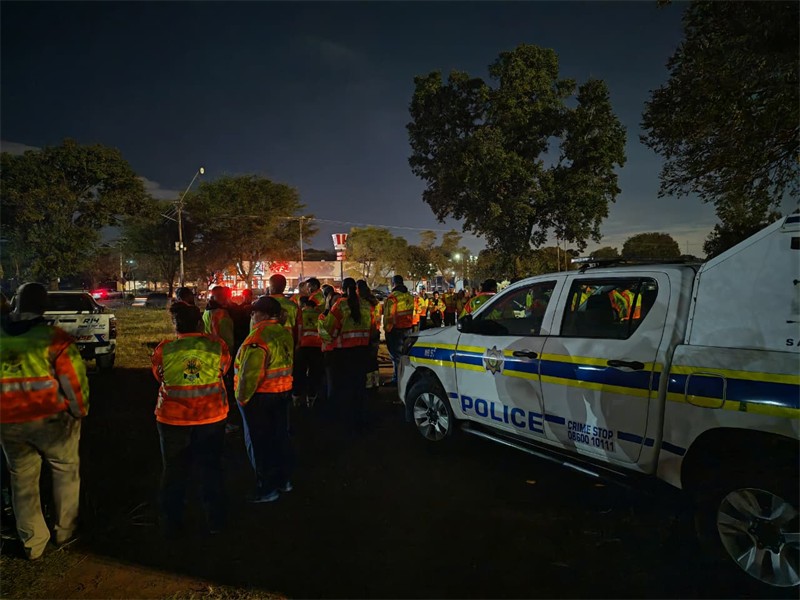
However, the CPF members still persisted.
“They could have easily walked away and said it’s just another homeless person, but they didn’t. They kept going back and persevered. These are volunteers with full-time jobs and families of their own, yet they still gave up their time to sit at government offices, make calls and help trace his family,” he said.
With the assistance of social workers and support services, the boy was eventually placed at a shelter while efforts continued to trace his relatives.
The major breakthrough came later in May when a copy of the boy’s birth certificate was located. That led to further tracing through official systems, which eventually connected social workers to family members in Soweto.
It was during that process that it was discovered that the boy’s mother had been searching for him for years.
“According to information uncovered during tracing efforts, he had reportedly gone missing when he was about one year old after being taken away by his father, who never returned him to his maternal family,” explained Van Rooyen.
On May 27, the boy was officially reunited with his maternal family in Soweto.
Van Rooyen said the news had a powerful effect on CPF members involved in the case.
“The feedback was overwhelming. People were proud, and it reminded everyone that we’re not only about chasing suspects or responding to crime. There’s a human side to what we do too.”
He said the case reflected the broader role CPFs play in local neighbourhoods.
“We’re a crime prevention organisation, yes, but we’re also community members looking after our community. Sometimes that means reporting suspicious activity. Other times it means helping someone vulnerable who has nowhere else to turn,” he noted.
Van Rooyen added that many of the volunteers connected personally with the situation because they are parents themselves.
“They saw a young person who was vulnerable and not streetwise. That brought out empathy. They treated him the way they would hope someone would treat their own child.”
Do you have more information about the story?
Please send us an email to bennittb@rekord.co.za or phone us on 083 625 4114.
For free breaking and community news, visit Rekord’s websites: Rekord East
For more news and interesting articles, like Rekord on Facebook, follow us on Twitter or Instagram or TikTok or WhatsApp Channel