Health Department welcomes the arrival of new HIV prevention medicine in South Africa
A new long-lasting HIV prevention injection is being introduced in South Africa, giving Pretoria residence extended protection with fewer clinic visits.
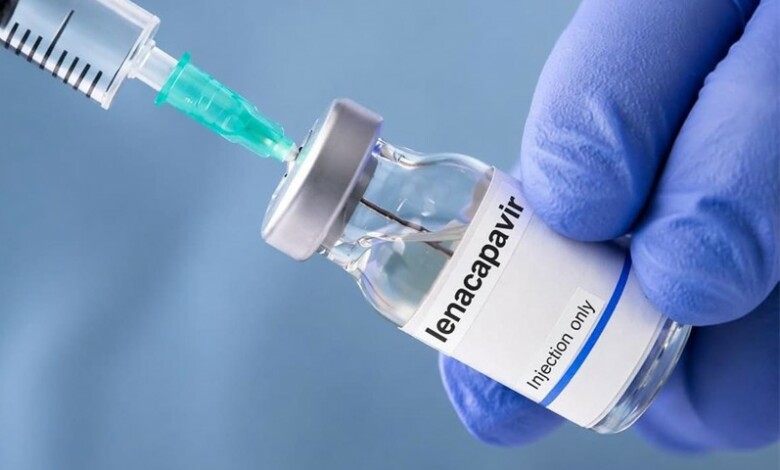
Locals in Pretoria will now have one more method to choose from to prevent becoming infected with HIV.
These methods include condoms, Pre-Exposure Prophylaxis(PrEP), getting tested and the new HIV prevention medicine, Lenacapavir.
PrEP is a strategy where people who do not have HIV take medicine, including daily pills, to prevent becoming infected with HIV if they are exposed to the virus. This is particularly important for people whose partners are HIV-positive.
On June 5, South Africa officially launched the rollout of Lenacapavir, a ground-breaking twice-yearly injectable medicine for HIV prevention, at Lilian Ngoyi Stadium in Secunda, Mpumalanga.
The launch, led by President Cyril Ramaphosa, marked a major milestone in the country’s HIV response.
A statement released by the presidency stated that as the programme is launched, 360 public health facilities across six provinces and 24 high-burden districts stand ready to provide this ground-breaking intervention.
By the end of 2027, the government aims to reach close to one million people over the next three years.
The South African Health Product Regulatory Authority (SAHPRA) approved Lenacapavir on October 27, 2025.
Department of Health spokesperson Foster Mogale said this six-monthly injectable arrived in the country on April 2.
He said this medication is imported from Dublin, Ireland, and 37 920 doses have been provided, but it has not yet been disclosed how many doses will be distributed in Pretoria and who the recipients will be.
Mohale said that this medicine is manufactured by Gilead Sciences and quality testing was conducted in Cork, Ireland.
“This is part of [an] integrated, differentiated, and people-centred HIV prevention service which offers new hope for people who face barriers to existing HIV prevention methods,” he said.
Mohale said barriers to existing HIV prevention methods include lack of adherence, such as forgetting to take the medication or not always being able to use condoms during sexual intercourse.
He stated that Lenacapavir will boost the country’s efforts to reduce new HIV infections and will support its aim to end AIDS as a public health threat by 2030, and sustain the HIV response after 2030 in line with the Global AIDS Strategy for 2026–2030.
The Global AIDS Strategy is a UNAIDS-led framework designed to end AIDS as a public health threat by 2030 by reducing inequalities, addressing stigma, and closing gaps in HIV services.
Residents of Pretoria can access the medicine at several clinics.
North: Atteridgeville Clinic, Phomolong Clinic, Saulsville Clinic, Hercules Clinic, Jubilee Gateway Clinic (Temba), Temba Clinic, Suurman Clinic, Soshanguve 2 Clinic, Soshanguve Block JJ Clinic, Soshanguve Block TT Clinic, Soshanguve CHC, Kgabo CHC, KT Motubatse Clinic, Maria Rantho Clinic, Phedisong 1 Clinic, Phedisong 4 CHC, Ramotse Clinic and Refentse Clinic (Odi).
Central: FF Riberio Clinic, Refilwe Clinic, Stanza Bopape CHC and Stanza Bopape II Clinic
East: Dark City Community Health Clinic (Ekangala)
Far East: Holani Clinic (Mamelodi East), Mamelodi West Clinic and Phahameng Clinic
Centurion: Lyttelton Clinic, Nellmaphius Clinic, Olievenhoutbosch Ext 13 Clinic and Laudium CHC
Speaking to Rekord about the new HIV prevention medicine, Pretoria residents shared a variety of views.
Leroy Baloyi said he worries that as much as this prevention method will decrease HIV infection, other STIs could rise rapidly.
“I think that this new medicine will increase other sexually transmitted infections, because the fear of contracting an incurable disease is what encouraged some people to condomise,” he said.
Madeleine Hicklin said that she thinks the arrival of Lenacapavir is a positive move, although given the size of the HIV-positive population in South Africa, she would caution against being overly optimistic, bearing in mind that there are only 37 920 doses currently available.
“Based on the number of HIV-positive people and based on the prevalence of HIV in South Africa, this really is a drop in the ocean.
“But let us welcome any initiative that helps us reach the triple-95 goal rule, which is 95% of people knowing their status, 95% of people being tested, and 95% of HIV-positive people being on treatment by the year 2030,” she said.
Natalie Schellack, the Head of Pharmacology at the University of Pretoria, said she has never seen or heard of this level of protection when it comes to HIV, as the medication forms a ‘depot’ under the skin that releases the drug into the body at a slow rate.
She confirmed that trials conducted in South Africa and Uganda in 2024 were successful.
“No new infections were recorded in participants during the trials. South Africa still has high HIV infection rates. With this medication, we could have a significant decrease in new infections over the next decade,” she concluded.
Do you have more information about the story?
Please send us an email to bennittb@rekord.co.za or phone us on 083 625 4114.
For free breaking and community news, visit Rekord’s websites: Rekord East
For more news and interesting articles, like Rekord on Facebook, follow us on Twitter or Instagram or TikTok or WhatsApp Channel