Councillors tackle misconceptions over municipal service delivery
Tshwane metro and Centurion councillors are clarifying responsibilities as residents continue to expect elected representatives to directly resolve municipal service failures.
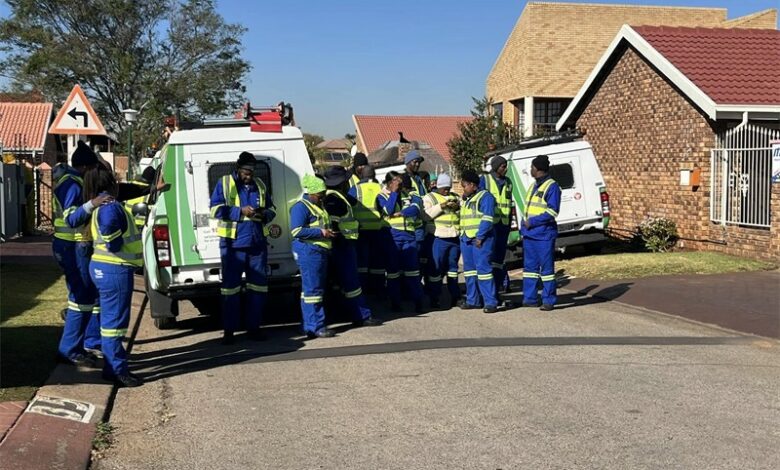
The Tshwane metro and local Centurion councillors have sought to clarify where a councillor’s responsibilities begin and end, how service delivery complaints are processed, and what residents can do to ensure their concerns are addressed through the appropriate channels.
However, many residents remain unclear about the distinction between the responsibilities of ward councillors and the municipal departments tasked with delivering services. This lack of clarity often leads to misunderstandings and misplaced expectations.
According to Tshwane metro spokesperson Lindela Mashigo, understanding the difference between political representation and municipal administration is essential for residents who seek assistance with service delivery issues.

Image: File
Mashigo explained that South Africa employs a mixed local government electoral system, combining ward-based representation with proportional representation (PR) during municipal elections.
He elaborated that ward councillors are elected by voters within specific geographic wards, while PR councillors are chosen through party lists and are primarily accountable to their political parties.
“The primary responsibility of ward councillors is to ensure that the concerns and interests of their communities are represented in Council. However, municipal departments are tasked with investigating, addressing, and resolving service delivery problems.”
Mashigo highlighted that ward councillors act as intermediaries, co-ordinating, monitoring, and escalating service delivery complaints on behalf of residents.
He stressed that councillors cannot instruct departments to carry out work or prioritise specific requests. Their role is to advocate for their communities, escalate concerns, and ensure accountability.
However, ward councillors play an important role in local communities, often serving as the most visible representatives of local government. They are typically the first point of contact for residents when service delivery problems arise.
To streamline service delivery, the Tshwane metro encourages residents to report issues through its official channels.
These include the call centre (012 358 9999), regional walk-in centres, email (customercare@tshwane.gov.za), the e-Tshwane online portal, the ‘I Want to Report’ facility on the city’s website (www.tshwane.gov.za), social media platforms, and WhatsApp (087 153 1001).
Mashigo emphasised that reporting on these official platforms is critical because every complaint receives a unique reference number, which allows residents to track the progress of their requests and escalate unresolved matters when necessary.
“The reference number enables customers to monitor their requests, follow up where needed, and ensure accountability throughout the process,” he said.
He further explained that once a complaint is submitted, it is logged into the city’s customer relationship management (CRM) system, which automatically forwards the request to the appropriate department.
The department then generates a job card and assigns the issue to operational teams for investigation and resolution. Once a complaint is logged, the councillor’s role is primarily one of oversight.
“Ward councillors monitor the progress of the department, follow up on the status of the issue, and ensure it is attended to within the applicable service standards.”
Mashigo also addressed a common misconception.
“Some residents believe that reporting a service delivery issue through a councillor will result in faster resolution. However, all service requests are processed through the same CRM system and prioritised according to operational criteria, regardless of how they are reported.”
For residents who experience delays, Mashigo advised using their reference numbers to follow up through official channels.
He assured residents that unresolved complaints are escalated through the system, with oversight mechanisms such as the Service Delivery War Room and the Operations Performance Task Team monitoring performance.
This clarification comes as some Centurion residents continue to direct service delivery complaints to ward councillors and hold them accountable when issues are delayed or remain unresolved.

Image: File
Ward 69 councillor Cindy Billson explained that many residents misunderstand the role of ward councillors.
“The most common misconception is that councillors manage municipal departments and have direct authority over officials. Residents often assume councillors can instruct departments to prioritise repairs, allocate resources, approve projects or immediately resolve complaints,” she said.
Billson emphasised that municipal departments require formal service requests and reference numbers before administrative processes can begin.
“Councillors are not responsible for managing service requests or providing operational updates on every fault reported. Instead, our role is to monitor whether issues have been reported correctly, whether they fall within the applicable Service Level Agreement (SLA) periods, and whether the municipality is responding appropriately.”
“Escalation becomes necessary when SLA periods are exceeded, when public safety is at risk or when recurring issues point to systemic problems,” said Billson.
She said at such times, she engages with officials, management structures, and council oversight mechanisms to seek accountability and resolution.
Billson highlighted several challenges that contribute to delays in service delivery, including ageing infrastructure, budget constraints, shortages of technical staff, procurement delays, vandalism, theft of municipal infrastructure, and competing demands across the metro.
“It’s important to recognise that delays do not always result from a lack of willingness to assist but often reflect broader resource and capacity challenges within local government,” she explained.
“Residents deserve factual information about what has been reported, what actions have been taken, and where responsibility lies.”
She added that councillors must avoid creating unrealistic expectations about matters outside their authority or control.
Billson believes public education, community engagement, and clearer communication about municipal processes are key to improving this understanding.
“Effective local government depends on a partnership between residents, councillors, and municipal officials. When each role is clearly understood and respected, accountability improves, communication strengthens, and communities are better served.”
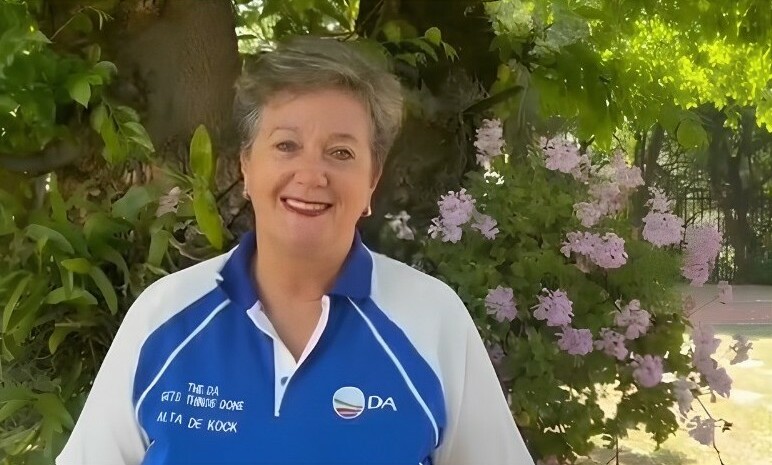
Image: File
In Ward 64, Councillor Alta de Kock noted that residents often direct their frustration at councillors because they struggle to get assistance from municipal offices or officials.
“I understand residents’ frustration, as they often don’t know who else to approach for help,” she said.
De Kock explained that councillors often receive limited or poor-quality feedback from municipal departments, which can exacerbate residents’ concerns.
To address this, De Kock stated that she visits sites herself, documents issues, and shares updates directly with residents.
“Although councillors cannot resolve every complaint, I believe that better communication between municipal departments, councillors, and residents can help to reduce misunderstandings and improve service delivery outcomes,” she added.
While service delivery frustrations are likely to remain a reality for many residents, councillors and municipal officials agree that a clearer understanding of who is responsible for what can help residents report issues more effectively and navigate municipal processes with greater confidence.
Do you have more information about the story?
Please send us an email to bennittb@rekord.co.za or phone us on 083 625 4114.
For free breaking and community news, visit Rekord’s websites: Rekord East
For more news and interesting articles, like Rekord on Facebook, follow us on Twitter or Instagram or TikTok or WhatsApp Channel