Future of 1 Military Hospital must be finalised, Parliament says
Parliament has urged urgent action on 1 Military Hospital’s future, as more than R1-billion has already been spent. Weak co-ordination between departments and ongoing failures are affecting military healthcare delivery for serving members and veterans.
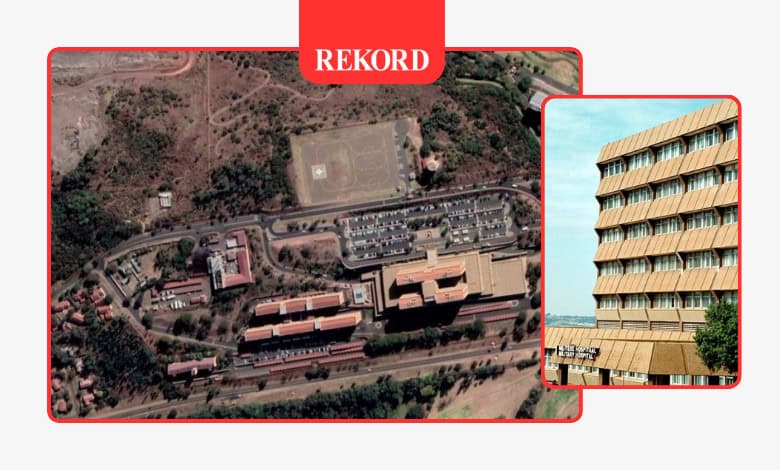
Amid mounting concerns over delays, escalating costs and weak co-ordination, Parliament has pushed for urgent talks on the future of 1 Military Hospital in Valhalla, Tshwane.
Parliament has urged the Department of Defence and Military Veterans and the Department of Public Works and Infrastructure (DPWI) to also decide whether to complete the long-stalled repair programme or construct an entirely new facility.
The directive follows a parliamentary briefing on June 12 where the Joint Standing Committee on Defence received updates from the South African National Defence Force and the DPWI on the hospital’s repair and maintenance programme, which has already cost more than R1-billion.
Yet the building stands incomplete.
According to the co-chairperson of the committee, Phiroane Phala, the committee stressed that the outcome must be a functional healthcare facility capable of serving both active and retired members of the defence force.
The discussions must also cover the viability of completing the existing repair programme, the feasibility of building a new hospital, the future use of the current structure, and the funding implications of any option selected.
“It is unacceptable that consequence management has not been implemented. In a statement issued in May 2025, the committee highlighted this concern, and more than a year later no tangible action has been taken. This failure only reinforces concerns that the department is not serious about ensuring accountability,” Phala emphasised.
The standing committee confirmed it will facilitate a joint engagement between the two departments, which will be required to table a consolidated report setting out a clear way forward.
Parliament has also requested a progress update on disciplinary and accountability measures linked to officials implicated in a forensic investigation into the project.
“While we appreciate the rationale behind reassessing the project, it is deeply concerning that more than R1-billion has already been invested in the repair and maintenance programme without the work ever being completed,” said Phala.
DA spokesperson on defence and military matters, Chris Hattingh, said the process must not be used to avoid accountability for years of failure.
“We will insist on a full accounting of every rand spent since 2005, a detailed comparison between completing the existing hospital and constructing a new facility, and comprehensive accountability for those responsible for two decades of failure,” Hattingh said.
The programme for the hospital was launched after a 2005 parliamentary oversight visit, with refurbishment work beginning in 2006.
However, more than two decades later, the facility remains incomplete and only partially functional.
Hattingh said the consequences of the prolonged delays have been borne by service members and veterans.
“The real tragedy is the impact on serving soldiers, military veterans and their dependants who have been forced to endure reduced healthcare services as a result of years of indecision, poor project management, weak oversight and apparent failures of accountability,” he said.
He added that the uncertainty over whether to complete or replace the hospital raises urgent questions about affordability and planning within the defence force.
“Where, then, will the billions of rands required for a completely new military hospital come from? How many years will it take before such a facility becomes operational? And what happens to military patients in the meantime?” Hattingh asked.
Reports presented to Parliament during the committee meeting indicate that the hospital currently operates well below full capacity, with critical clinical infrastructure such as theatres, intensive care and diagnostic services remaining incomplete in key sections.
This has contributed to the outsourcing of medical services to private providers and rising costs for the military health system.
Concerns over financial mismanagement have also been reinforced by earlier internal defence oversight and forensic reporting, including findings referenced in Parliament that identified irregular expenditure, contract overruns, and unused medical equipment that became obsolete while in storage.
The Minister of Defence’s office has been asked for comment, but none had been received at the time of publication.
Do you have more information about the story?
Please send us an email to bennittb@rekord.co.za or phone us on 083 625 4114.
For free breaking and community news, visit Rekord’s websites: Rekord East
For more news and interesting articles, like Rekord on Facebook, follow us on Twitter or Instagram or TikTok or WhatsApp Channel