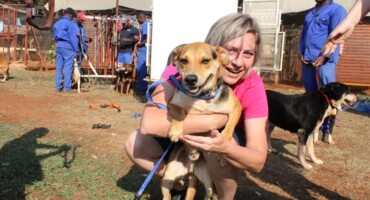
A forever home is not every rescue animal's ending
While many shelter animals find loving families, others spend years at Woodrock Animal Rescue due to trauma, disability, age or behavioural challenges, becoming permanent residents cared for by the people who refuse to give up on them.
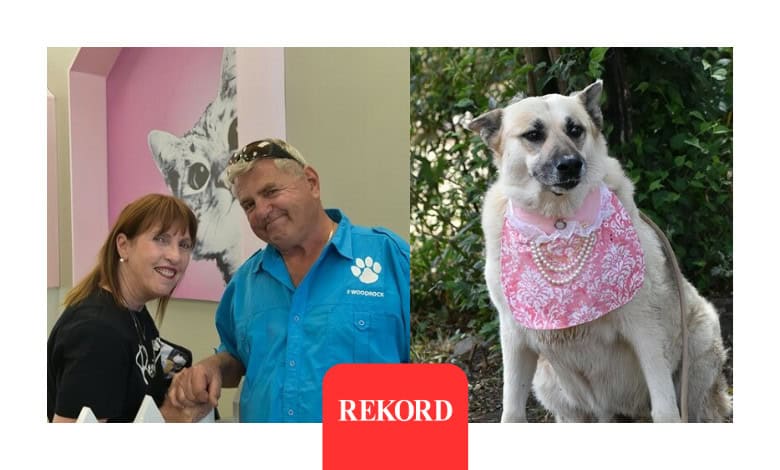
Not every rescue animal gets the happy ending people imagine. While many shelter animals eventually leave for loving homes, some spend years waiting for families that never come.
Others arrive carrying deep physical or emotional scars, making it difficult for them to thrive in a traditional home environment.
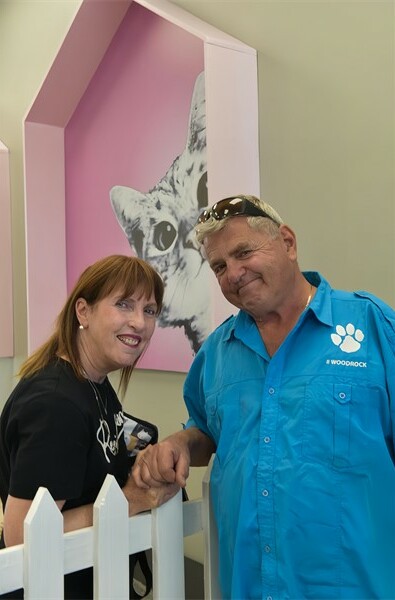
At Woodrock Animal Rescue in Centurion, these animals are never forgotten. Since its establishment in 1992 by founders Nicholas and Estelle Meldau, the organisation has grown into a sanctuary for animals that have been abandoned, abused, neglected, injured, or left with nowhere else to go.
According to general manager Jacqui Martheze, more than 500 animals call the sanctuary home. These include dogs, cats, donkeys, pigs, goats, rabbits, chickens, and geese.
While most cats are eventually rehomed, some dogs become long-term residents due to the trauma they have experienced.
Martheze explains that some of these animals have endured extremely challenging lives and significant trauma.
Despite ongoing efforts to support them, including working with animal behaviourists and providing daily stimulation, these animals may never be suited to a traditional home environment. For these animals, Woodrock remains their permanent home.
Although the organisation remains open to the possibility that the right home could emerge one day, its primary responsibility is to protect the animals and ensure their needs are met.
Martheze says many of these animals have highly specific requirements and may struggle to interact with people or other animals, making it difficult to find suitable adopters.
One of the biggest challenges in such situations is the misunderstanding of trauma and behaviour.
“When people adopt animals, there is a natural instinct to express love through touch. However, some animals, due to their past experiences, are fearful of this. The best thing you can give them is space, and over time, they may begin to feel more comfortable.”
Perceptions surrounding certain breeds and appearances also play a role. “People often arrive at shelters with a fixed idea of the type of dog they want, overlooking animals that don’t fit that image.”
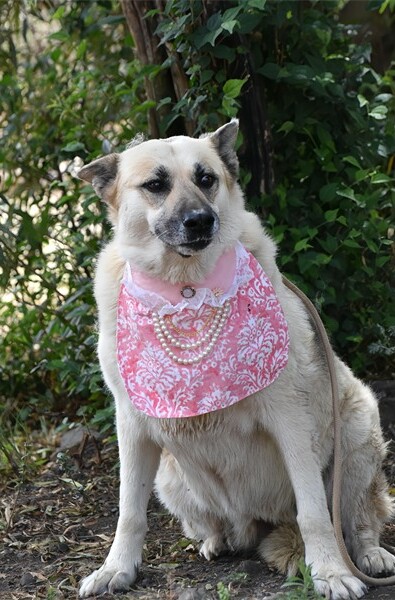
Some of Woodrock’s longest-serving residents reflect this reality. Among them is Isabella, a German Shepherd who arrived at the sanctuary while pregnant after enduring severe physical abuse.
It is suspected that she was used for security purposes, leaving her distrustful of humans.
“After giving birth, Isabella became intensely protective of her puppies. Once they were separated through the appropriate process, she became aggressive. Despite numerous attempts to integrate her with other dogs, children, and different environments, she struggled to adapt,” explains Martheze.
With the guidance of internal and external behaviourists, Woodrock developed a structured routine for Isabella, incorporating controlled interactions and clear boundaries. This routine helped her settle.
According to Martheze, Isabella has become reliant on this routine and now feels safe and secure at Woodrock, which has essentially become her permanent home.
Another dog whose story resonates deeply with staff is Azure. She arrived at Woodrock two years ago after her family emigrated and returned her to the shelter.
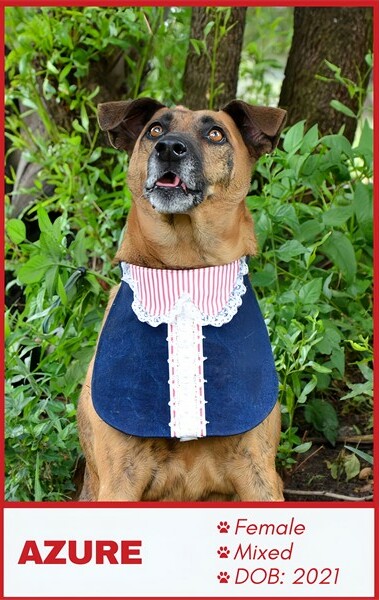
Initially described as a happy and easygoing dog who was house-trained, sociable, and good with other dogs, Azure’s demeanour changed over time. Watching other dogs leave for homes while she remained behind took a toll on her.
“Over time, as she has remained in kennels and watched other dogs she bonded with leave, she has become increasingly despondent,” says Martheze.
Despite being gentle, balanced, and good with both children and other dogs, Azure is frequently overlooked.
Martheze believes this is because she is slightly older, medium to large-sized and does not fit conventional ideas of what an adoptable dog should look like.
“She is becoming a long-term resident, which she should not be.”
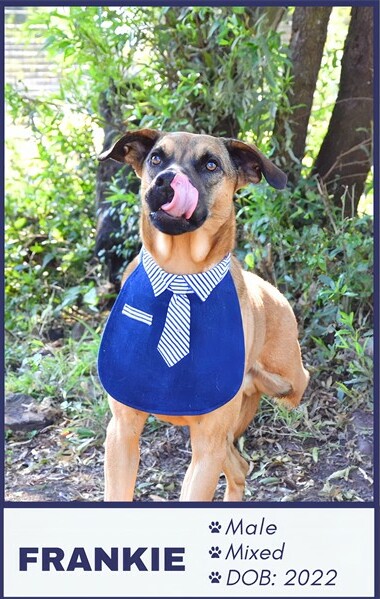
Then there is Frankie, a dog who arrived from an outreach community with a severely damaged hind leg that had to be amputated.
“Although his family initially agreed to his treatment, they later decided they did not want him back, viewing him as damaged,” explains Martheze.
Frankie has now been at Woodrock for over two years and has adapted remarkably well.
“He does not see himself as different, and neither do the other dogs. He runs, walks, plays, and engages like any other dog.”
Despite thriving as a three-legged dog and being well-suited to a home environment, Frankie continues to wait for a family.
Martheze says many potential adopters make assumptions about his abilities based solely on his appearance.
However, at Woodrock, animals with disabilities, medical conditions or behavioural challenges are fully integrated into daily life.
“We do not treat them differently. Every animal receives the same level of care, daily walks, enrichment, and attention, regardless of their circumstances.”
The bonds formed between long-term residents and the people who care for them can be profound.
“Our staff build strong relationships with these animals. The staff become advocates for them. They want to protect them, speak for them, and ensure they are well cared for,” Martheze explains.
“It is difficult to see animals overlooked based on appearance or preconceived ideas of what a pet should be.”
Martheze believes that people sometimes forget animals, like humans, are individuals. Fortunately, not every long wait ends without a home.
One of Woodrock’s most memorable success stories is Roo, a dog who arrived at the shelter with a damaged front leg that required amputation.
Losing a front limb is especially challenging for dogs because their balance is naturally weighted toward the front of their body.
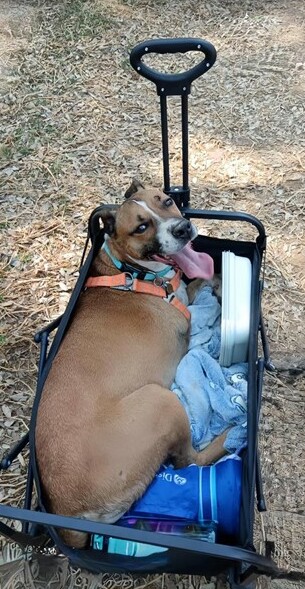
Roo spent a long time waiting for a family, often overlooked because he was a tripod.
Then, during a Paws@Work interaction, a woman who already cared for several rescue animals, including a disabled rabbit, expressed interest in adopting another dog.
After spending time with Roo, she decided to adopt him and welcome him into her family. Today, Roo shares a remarkable bond with the rabbit, and Martheze notes the two animals seem to understand one another in a unique way.
“He also formed a deep attachment to his owner and was particularly attentive while she recovered from surgery. He now lives in a home where he is understood and accepted,” she says.
For animals that may never be adopted, Woodrock provides a safe, stable, and enriching environment where they continue to receive daily care, exercise, and companionship.
Martheze hopes prospective adopters will reconsider common misconceptions about older animals and those with disabilities.
She adds that animals do not define themselves by their physical differences and encourages people not to do so either.
Do you have more information about the story?
Please send us an email to bennittb@rekord.co.za or phone us on 083 625 4114.
For free breaking and community news, visit Rekord’s websites: Rekord East
For more news and interesting articles, like Rekord on Facebook, follow us on Twitter or Instagram or TikTok or WhatsApp Channel