According to the latest municipal figures, nearly half of Pretoria’s water supply is being lost due to leaks, pipe bursts, and illegal connections.
Tshwane metro spokesperson Lindela Mashigo confirmed that the municipality is currently losing more than 165 billion litres of water annually, which accounts for nearly half of its total water supply.
“According to the May 2026 Water Balance, the city is losing 165 570 822 kilolitres of water per annum, which equates to 42.9% of the water supply,” Mashigo stated.
He explained that the metro has been unable to reduce water losses over the past few years, citing financial constraints as a significant factor.
Mashigo attributed the lack of progress to insufficient funding, which stems from past insolvency challenges. These financial difficulties have hindered maintenance efforts and long-term infrastructure investments.
“While our technicians aim to repair reported leaks within 24 hours, there is currently a backlog, which remains a challenge,” he added.
Despite these challenges, the metro has launched a comprehensive turnaround strategy to address water losses.
Mashigo outlined several interventions, including leak repair programmes such as Thiba Di Leaks and Re Ya Spana; the removal of illegal connections; and the implementation of pressure management systems using smart pressure-reducing valves.
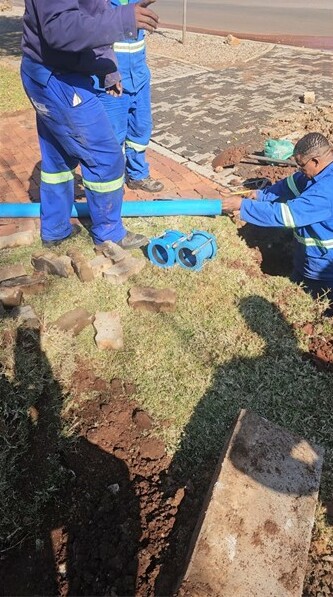
Other measures include pipe replacements, reservoir repairs, increased production from local water sources to reduce reliance on Rand Water, meter replacements, bulk pipeline leak repairs, and collaboration with Rand Water to reduce losses.
The municipality is also investing in infrastructure upgrades and water-loss reduction projects for the 2026/27 financial year.
“The city has allocated R120-million for water conservation and demand management, which includes meter replacements and alternative water supply initiatives.
“An additional R101-million has been set aside for replacing worn-out pipes, R20-million for installing telemetry, bulk meters, and control equipment at reservoirs, and another R20-million for pressure management interventions aimed at improving municipal water services and reducing losses. Furthermore, R700 000 has been allocated for the relining and upgrading of the Klapperkop Reservoir.”
However, Mashigo acknowledged that reducing water losses remains a significant challenge. He attributed the issue to limited resources, widespread illegal connections, and vandalism of infrastructure.
Despite these obstacles, he expressed optimism that reforms by the National Treasury could help improve the situation in the future.
“Residents should support the city’s efforts to reduce water losses by using water sparingly and avoiding tampering with water infrastructure,” he urged.
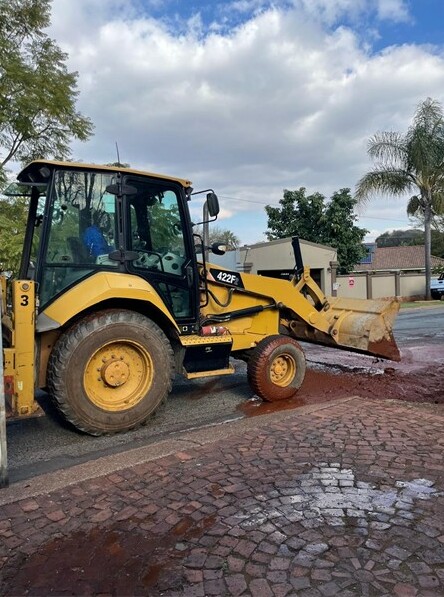
The city’s ageing infrastructure continues to exacerbate the problem.
In February, Mashigo told Rekord that parts of the water network in areas such as Lyttelton Manor and Doringkloof consist of asbestos cement pipes installed between the 1960s and 1980s, many of which have exceeded their useful lifespan.
He explained that an estimated 55% to 65% of the network in these areas is beyond its remaining useful life, making it prone to repeated failures and bursts.
“Although Lyttelton Manor is considered a high-priority area, a full replacement programme has not yet been implemented due to the scale of investment required and competing infrastructure priorities across the city. Ongoing technical studies, feasibility assessments, and budget constraints have also contributed to delays,” Mashigo said.
“Repeated patch repairs on ageing asbestos cement pipes can worsen the problem by redistributing pressure and triggering further bursts along the same lines. To address these issues, the city is gradually replacing sections of the network with modern materials such as uPVC and HDPE pipes. This is being done alongside pressure management interventions and a phased approach toward full system renewal,” Mashigo explained.
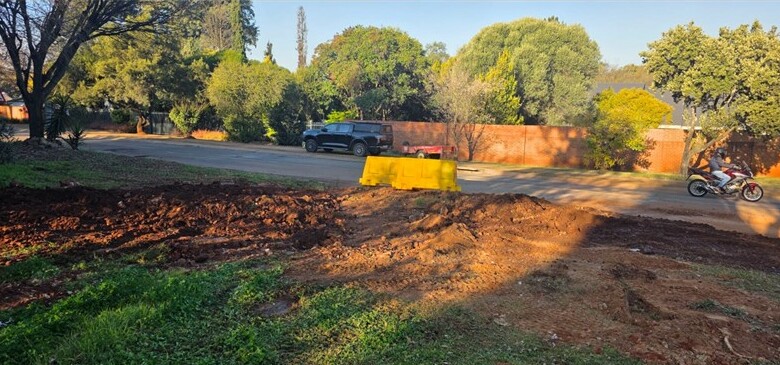
Freedom Front Plus (FF+) councillor Wesley Jacobs confirmed that municipal teams were recently on-site in the Lyttelton area repairing water leaks on Turkoois and Toermalein roads on June 27.
The operation required a temporary shutdown of the water supply, but Jacobs noted that water was restored the same day after the repairs were completed.
However, residents remain concerned about the recurring nature of water leaks. Natasha van Rooyen, a resident in Lyttelton, highlighted the broader infrastructure issues in the area.
She pointed to the recent incident on Turkoois and Toermalein roads, emphasising how disruptive ongoing leaks can be for households.
“In my view, even though the leak was fixed and water came back later that day, it doesn’t change the fact that we constantly deal with these disruptions. It happens too often,” she said.
Van Rooyen added that water leaks are a widespread problem across Centurion, placing strain on residents who are repeatedly urged to use water sparingly while significant volumes are lost through ageing infrastructure and bursts.
“Leaks are not just a Lyttelton problem. It is happening in different parts of Centurion all the time. It’s frustrating because we are always told to save water, but at the same time, you see how much is being wasted.”
She warned that while residents appreciate quick repairs when they occur, the frequency of leaks suggests a deeper, systemic problem that requires long-term intervention rather than reactive maintenance.
Do you have more information about the story?
Please send us an email to bennittb@rekord.co.za or phone us on 083 625 4114.
For free breaking and community news, visit Rekord’s websites: Rekord East
For more news and interesting articles, like Rekord on Facebook, follow us on Twitter or Instagram or TikTok or WhatsApp Channel