Air quality monitoring failures raise public health concerns
The Democratic Alliance in Gauteng has rejected the province’s 2026/27 environmental budget, arguing it is insufficient to address worsening air pollution, sewage contamination and climate risks affecting millions of residents.
The DA in Gauteng has rejected the provincial Department of Environment’s 2026/27 budget of R646-million, arguing that it falls far short of addressing the province’s environmental challenges, while the FF+ has warned that deteriorating wastewater treatment plants in the metro are placing public health and water security at risk.
The DA said it voted against the budget because it believes the allocation is inadequate to respond to air pollution, sewage contamination and climate change affecting Gauteng’s estimated 16 million residents.
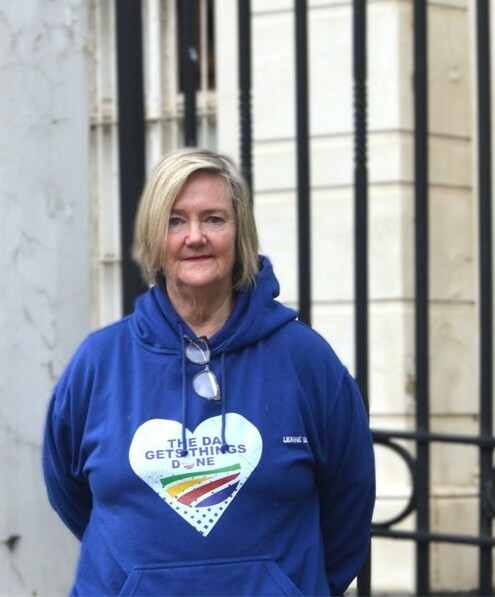
DA Gauteng spokesperson Leanne de Jager said residents’ health and well-being remain under threat because the department cannot provide reliable air quality data, stating that raw sewage continues to enter rivers and there is no effective plan to combat climate change.
“Every day, residents’ health and well-being are at risk because the department cannot provide reliable air quality data, raw sewage continues to flow into our rivers, and there is no proper plan to combat climate change,” De Jager said.
She said the province’s environmental quality management budget had been reduced from R130-million in the previous financial year to R83-million for the current year, despite ongoing concerns about air pollution.
According to De Jager, communities in Ekurhuleni and Tshwane, where much of Gauteng’s industrial activity is concentrated, continue to be exposed to dangerous levels of air pollution while monitoring infrastructure remains inadequate.
She said Pretoria residents have been particularly affected by the deterioration of the metro’s air quality monitoring network.
“Of the eight air quality monitoring stations owned by the metro, five are currently failing, leaving residents in industrial and high-traffic nodes such as the Moot, Pretoria West and Pretoria North without reliable data on the pollutants they are breathing daily,” De Jager said.
She added that the metro had also lost five monitoring stations between late 2024 and early 2025 because of cable theft, equipment failures and budget constraints, in addition to stations that had already been offline for years.
“With more than half of Tshwane’s network non-functional, the metro cannot issue timely health warnings, assess compliance with air quality standards, or take urgent action when pollution levels become dangerous, leaving Pretoria’s residents to guess at the air they breathe every day,” she said.
The DA also raised concerns about wastewater treatment facilities, saying untreated sewage continues to contaminate rivers across the province.
She said Pretoria’s drinking water supply is also under pressure because of the condition of the Rooiwal Wastewater Treatment Works.
“Effluent from the plant discharges into the Apies River, which flows into the Leeukraal Dam, the very source Tshwane abstracts and treats at the Temba Water Treatment Works to supply Hammanskraal and surrounding areas,” De Jager said.
She said pollution in the Leeukraal Dam has prevented the Temba Water Treatment Works from meeting drinking water standards, resulting in water being supplied to residents by tanker.
The DA further argued that climate change programmes remain underfunded in the metro despite Gauteng’s exposure to severe rainfall, prolonged heatwaves and flooding.
De Jager said the metro’s Climate Action Plan includes targets to reduce emissions by 15% by 2030, 45% by 2040 and achieve net-zero, climate-resilient status by 2050, but said these goals cannot be achieved without stronger provincial financial support.
“Without provincial funding to match Tshwane’s stated climate targets, residents in Pretoria will continue to face flooding, heat stress, and infrastructure collapse with no meaningful buffer in place, while the department responsible for coordinating this response remains chronically under-resourced,” she said.
Adding to comment on the environmental matter in the metro, the FF+ said a quarterly review report presented to the Tshwane council in late June showed that key wastewater treatment plants had deteriorated further.
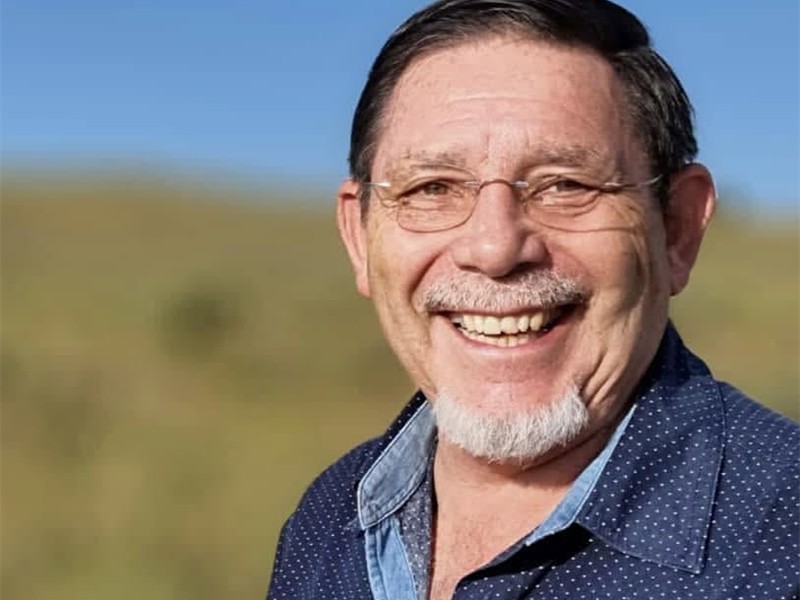
FF+ councillor Nick Pascoe said officials could no longer conceal what he described as the collapse of the metro’s wastewater treatment facilities.
“It places residents’ health at risk and violates environmental laws,” Pascoe said.
He said the quarterly report showed Sunderland and Sandspruit are operating at 26.3% compliance, Rooiwal North at 17.9% and Babelegi at 17.4%.
Pascoe also criticised the report for not providing information on the metro’s remaining 12 wastewater treatment plants.
“By failing to report on the condition of the remaining plants, the coalition government is deliberately trying to conceal the scale of a possible ecological disaster,” he said.
Pascoe said untreated sewage was being discharged daily into rivers including the Apies and Hennops, making it difficult for downstream treatment plants to provide safe drinking water.
He further claimed that tap water quality in Temba and Bronkhorstspruit had fallen below the national SANS241 safety standard and warned that polluted river water was affecting farmers and contaminating groundwater.
The FF+ said it had repeatedly called for sufficient budget allocations to restore wastewater treatment infrastructure, warning against the appointment of untrained personnel, overloading of facilities and the diversion of infrastructure funding. The party also accused the coalition government of attempting to manipulate or delay the release of critical information ahead of the upcoming election.
Do you have more information about the story?
Please send us an email to bennittb@rekord.co.za or phone us on 083 625 4114.
For free breaking and community news, visit Rekord’s websites: Rekord East
For more news and interesting articles, like Rekord on Facebook, follow us on Twitter or Instagram or TikTok or WhatsApp Channel