Fixes fail as pipe bursts continue in Garsfontein
More than seven pipe bursts in 10 days have left residents stranded and homes flooded on Kuifkop Avenue in Garsfontein.
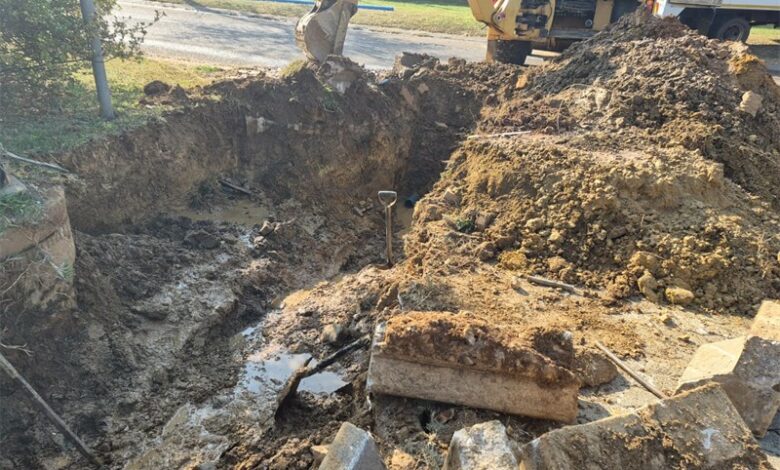
Garsfontein residents are demanding urgent intervention from the Tshwane metro after a series of pipe bursts along Kuifkop Avenue, flooding homes, damaging property and leaving residents without water on five occasions over the past 10 days.
Since June 21, residents have experienced at least seven pipe bursts, resulting in five separate water outages over the past 10 days.
According to residents, each repair has been followed by another burst along the same ageing pipeline, with residents saying temporary fixes have done little to prevent further pipe leaks.
The repeated pipe failures have damaged gardens, wooden floors, built-in cupboards and household furniture, with homeowners claiming the water has caused irreversible damage.
They say waterlogged wooden floors and cupboards have swollen and warped beyond repair, leaving them with no option but to replace them at considerable expense.
Residents are now calling on the metro to compensate affected homeowners for the damage to their properties and to replace the deteriorating pipeline instead of continuing with what they describe as short-term repairs.
They argue that the recurring pipe bursts demonstrate that the infrastructure has reached the end of its lifespan, but despite this, the metro has repeatedly cited budget constraints as the reason for delaying a full pipe replacement.
Ward 45 councillor Elizabeth Basson said residents living along Kuifkop Avenue have endured repeated pipe bursts outside their properties, with the ongoing failures causing flooding to homes.
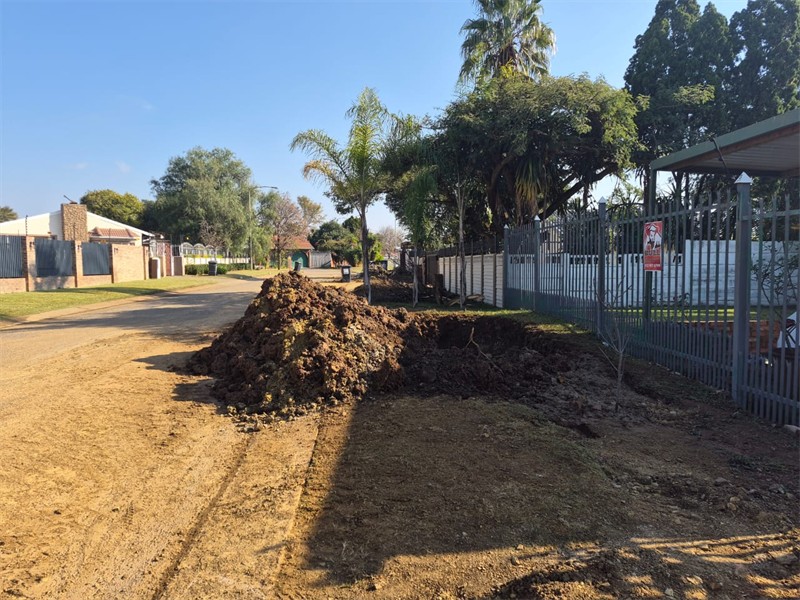
According to Basson, there have been more than eight pipe bursts along the same stretch of road over a short period, leaving residents frustrated and exhausted.
“It is not that the city’s water and sanitation technicians have not responded. They have attended to every reported burst, isolated the water supply and carried out repairs. The problem is that the repairs are only temporary because the ageing pipeline continues to fail,” she said.
Basson explained that after technicians complete repairs during the day and restore the water supply, the increased water pressure at night often causes another section of the same pipeline to burst.
“As a result, residents are trapped in a cycle of flooding, emergency repairs, and water outages. Just when they think the problem has been resolved, another burst occurs a few metres away, sending water into properties once again.”
She said the recurring pipe bursts and week-long water disruptions have placed an enormous burden on affected households and interrupted access to water.
Basson said the only lasting solution is the urgent replacement of the entire ageing pipeline, rather than continuing with repeated patchwork repairs that fail to address the underlying problem.
Affected resident Nhamoinesu Tinosekwa said the repeated pipe bursts have become a recurring nightmare for families, with the same problem resurfacing year after year.
“This is not the first time we’ve experienced this. We had the same issue in May 2024 when water came gushing into our homes, and now it’s happening all over again. During the past 10 days, we have had several more pipe bursts, most of them happening at night when the water pressure is high.”
He said residents often wake up to find water flowing through their homes.
“You go to bed and then wake up to find water all over your floors. It floods the house so quickly that there is little you can do to stop it.”
Tinosekwa said the repeated flooding has caused extensive damage to expensive household fixtures and furniture.
“Our wooden floors have been soaked, fitted cupboards have swollen, carpets have been ruined, and furniture has been damaged. Once wood expands because of water, it cannot simply be repaired; it has to be replaced.”
He said after the flooding in 2024, he was quoted about R250 000 to replace the damaged flooring and cupboards, but his insurance did not cover the costs.
“We ended up having to repair the property ourselves. We are not saying the municipality caused this deliberately, but there should be some form of third-party liability or compensation for homeowners who suffer these losses.”
Tinosekwa acknowledged that Tshwane metro’s response over the past 10 days had been much quicker than in the past.
“The plumbers responded promptly every time we reported a burst, and we appreciate their professionalism and the fact that we had direct contact with them. The technicians are doing their best.”
However, he said temporary repairs are no longer enough.
“It doesn’t make sense to keep repairing different sections of the same old pipe every few days. It must be costing the city far more than replacing the entire pipeline once and for all. We need a permanent solution with stronger, more durable pipes so residents can stop living in fear every winter.”
He added that at least four homes have been directly affected by the recent flooding and appealed to the metro to replace the ageing infrastructure and compensate residents for the damage already caused.
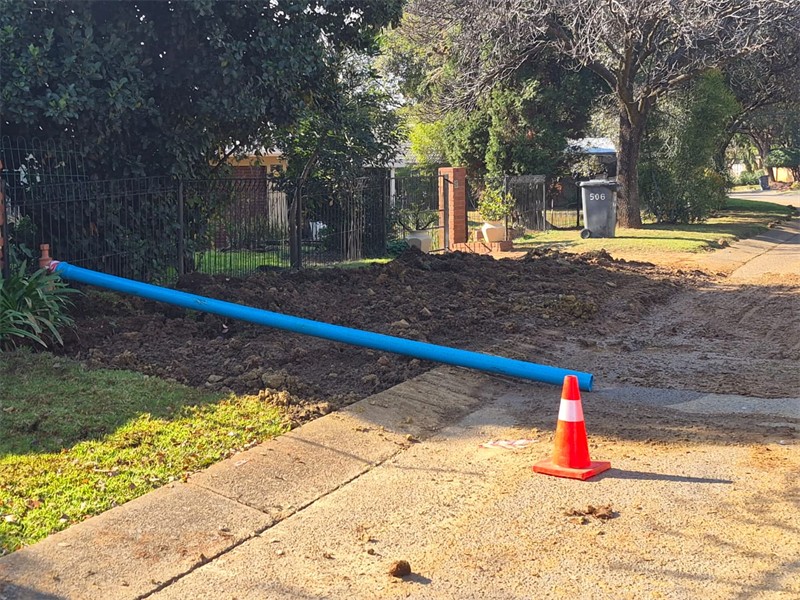
Tinosekwa said he lodged a claim with the metro but he is being send from pillar to post.
City of Tshwane spokesperson Lindela Mashigo said officials conducted an assessment of the affected properties following the recent pipe bursts and found that there was no significant damage to the homes impacted by the flooding.
“The city is aware that residents’ yards were flooded as a result of the pipe bursts. Following an assessment, it was established that there was no significant damage to the affected properties,” said Mashigo.
He confirmed that there had been multiple pipe bursts along Kuifkop Avenue over the past seven days, all of which had been repaired by municipal maintenance teams.
“The repeated pipe bursts are attributed to ageing water infrastructure. As a result of the repairs, all residents along Kuifkop Avenue experienced temporary water supply interruptions, while two of the pipe bursts resulted in the flooding of a resident’s yard.”
Mashigo said the city has received requests from residents for the replacement of the ageing pipeline and that the matter has been referred to the relevant department for consideration.
“Tshwane has several areas where water infrastructure has reached the end of its operational lifespan. Pipe replacement projects are currently underway in various parts of the city as part of an ongoing programme to renew ageing infrastructure. However, specific timelines and budgets for the replacement of the Kuifkop Avenue pipeline have not yet been confirmed.”
He added that while it is not possible to prevent all pipe bursts, municipal maintenance teams respond to reported incidents as quickly as possible to repair damaged infrastructure and restore water supply with minimal disruption.
Mashigo said the city also assists affected residents by backfilling excavated areas and reinstating affected sites to the best of its ability once repairs have been completed.
Do you have more information about the story?
Please send us an email to bennittb@rekord.co.za or phone us on 083 625 4114.
For free breaking and community news, visit Rekord’s websites: Rekord East
For more news and interesting articles, like Rekord on Facebook, follow us on Twitter or Instagram or TikTok or WhatsApp Channel