Cable theft costs Tshwane R18.4m as hotspots remain under siege
The City of Tshwane has spent an estimated R18.48 million repairing vandalised primary substations over the past financial year, while residents say they are increasingly being forced to fund their own security measures as cable theft continues to plunge communities into repeated darkness.
The Tshwane Metro has recorded nine incidents of theft and vandalism at substations over the past 12 months, with the financial impact of repairing damaged primary substations alone estimated at almost R19-million.
According to metro spokesperson Lindela Mashigo, Koedoespoort, Waltloo, and Dam substations have experienced the highest number of repeat incidents, while medium voltage and control or multicore cables remain the most commonly stolen components.
Mashigo said the theft of electricity infrastructure continued to have severe consequences for residents, businesses and the municipality.
He said repeated vandalism resulted in unplanned power interruptions affecting residential, commercial, and industrial customers.
Mashigo added that restoring electricity often takes longer because stolen equipment has to be sourced or imported before it can be replaced, while maintenance budgets are diverted from preventative work to emergency repairs.
“Theft and vandalism of electricity infrastructure is a national crisis which requires collaborated efforts,” he said.
Mashigo urged residents to report suspicious activity around electricity infrastructure to the TMPD or the SAPS.
He said the metro was implementing several long-term measures to strengthen security at vulnerable substations.
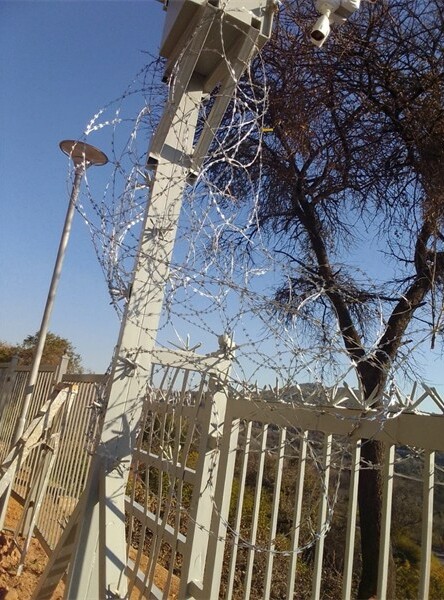
“The measures included installing anti-climb concrete perimeter fencing, access-controlled gates with electronic entry systems.
“CCTV cameras, motion sensors, intrusion alarms, improved security lighting, and deploying trained armed security personnel alongside regular patrols by the TMPD and other law enforcement agencies.”
Despite these interventions, communities in some parts of Tshwane say cable theft remains a persistent challenge.
Groenkloof Residents Association member Francois Geringer said cable theft continues to plague the area, although community-funded security measures have reduced incidents in certain hot-spots.
He said the association spent more than R80 000 installing a camera pole near the Unisa boundary after repeated cable thefts.
According to Geringer, the cameras proved highly effective, with no cables stolen at that location for more than a year.
However, thieves have since shifted their focus.
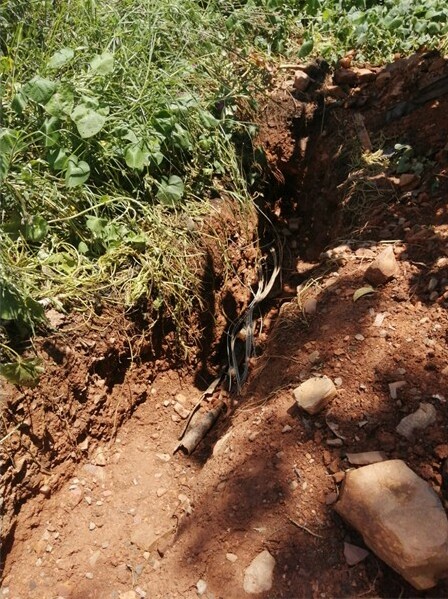
Geringer said criminals had opened another hole where cables were being targeted and were able to operate unnoticed because the area was heavily overgrown.
He said residents were now working to install additional cameras, but clearing dense vegetation remains a major obstacle.
“We have to get more cameras in, but we can’t put a camera in if it’s overgrown.”
Geringer said the association had submitted a Community Upliftment Programme (CUP) application that would allow residents to clear vegetation more quickly whenever problem areas were identified.
He added that while residents had become frustrated by the ongoing theft, they should avoid confronting criminals themselves.
“People are walking around trying to catch the cable thieves, which is extremely unsafe for them,” he said.
“We caution against that because you can lose your life there.”
According to Geringer, cable theft usually leaves Groenkloof, and sometimes parts of neighbouring Muckleneuk, without electricity for about three days.
He said the metro previously restored power more quickly by switching supply from another suburb, but this was no longer possible because it overloaded neighbouring networks.
Although he praised the metro’s CUP process, Geringer said stronger co-operation between the municipality and communities was still needed to address the problem more effectively.
Ward 91 councillor Henning Viljoen said cable theft had reduced along Delmas Road after overhead power lines were installed, but theft inside the Rietvlei Nature Reserve remained an ongoing concern.
He said thieves continued targeting low-voltage cables supplying boreholes and other infrastructure within the reserve, placing strain on municipal finances.
“The metro was fully aware of the problem and had indicated that it could not continue replacing stolen cables indefinitely because of the escalating costs,” he said.
Earlier this year, Viljoen and the Delmas Cable Theft Working Group launched a multi-phase intervention plan aimed at protecting infrastructure inside the reserve.
The group warned that continued cable theft threatened electricity supply, boreholes, water purification systems, businesses, and the environmental stability of the reserve.
Mashigo said while the city remained committed to improving the reliability of its electricity network, tackling infrastructure theft would require continued collaboration between residents, law enforcement agencies and government.
Do you have more information about the story?
Please send us an email to bennittb@rekord.co.za or phone us on 083 625 4114.
For free breaking and community news, visit Rekord’s websites: Rekord East
For more news and interesting articles, like Rekord on Facebook, follow us on Twitter or Instagram or TikTok or WhatsApp Channel