Tshwane Market investment aims to strengthen food security
Record investment in the Tshwane Fresh Produce Market has expanded storage and ripening capacity, with the city aiming to improve food security, increase trade volumes and create jobs.
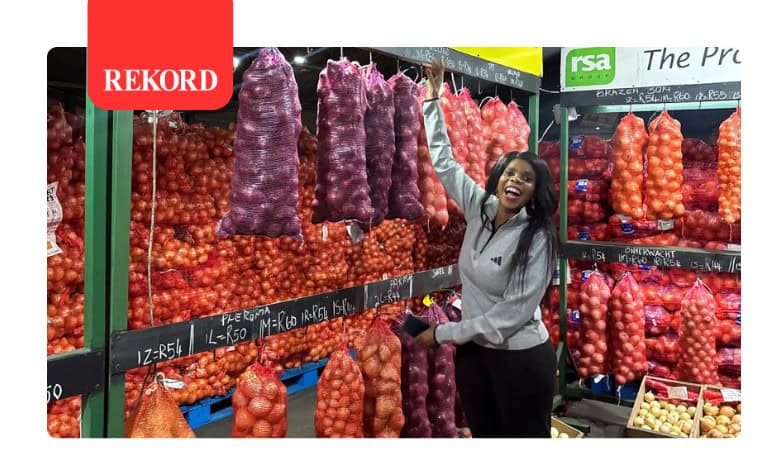
A R13-million investment into the infrastructure of the Tshwane Fresh Produce Market hopes to cement one of the largest fresh produce markets in the country as a stronghold for food security and job creation.
Tshwane Market achieved a record level of infrastructure investment during the 2025/26 financial year, spending nearly its entire capital budget on critical upgrades.
Between July 1, 2025, and June 30, the market spent more than R12.9-million of its allocated R13-million capital expenditure budget, representing an expenditure rate of 99.7%.
The city said the investment forms part of its ongoing efforts to modernise the market’s infrastructure across the capital city and ensure it continues to operate efficiently while providing a safe and reliable trading environment.
The market is South Africa’s second-largest fresh produce market and plays a vital role in the regional food supply chain, providing fresh, affordable produce to residents across the Tshwane Metro, Gauteng, neighbouring provinces and countries in southern Africa.
“The improvements to the Tshwane Market infrastructure, including additional fruit ripening rooms and expanding cold storage rooms to increase space utilisation, serve to increase the market’s facilities and capacity for handling and ripening fruit and vegetables.
“[This] increases food security in Tshwane, South Africa’s fastest-growing metro,” said MMC for Economic Development and Spatial Planning, Sarah Mabotsa.
“This expanded infrastructure serves to increase the capacity of the market. The market had previously been unable to fully accommodate increasing volumes of fresh produce, and this had constrained expansion opportunities, increased turnover and greater job creation,” said Mabotsa.
She said the upgrading of the ripening centre and purchase of additional racking space for the market’s cold storage facilities have increased capacity to double the pallet storage capacity.
“This will increase trade volumes and improve operational efficiency. The increased capacity will also generate more revenue for the market, further improving the financial position of the city.”
She said the city is committed to building a resilient, competitive, and sustainable fresh produce market that serves as a cornerstone of economic revitalisation and inclusive growth within the municipality.
“The R13-million capital investment into the market infrastructure has begun to reverse a years-long trend of limited and declining capital investment into the market.”
Mabotsa said these investments into infrastructure at the market aim to respond to the needs of producers and traders for increased efficiency, enhanced capacity and the need for more food provision for the residents and the region,
According to Mabotsa, the city has taken a deliberate decision to strengthen the Tshwane Market’s competitive position, enhance revenue generation, and advance its strategic mandate in line with the City’s Economic Revitalisation Strategy, which was adopted by Council in April 2025.
“The Tshwane Economic Revitalisation Strategy is the capital city’s roadmap to increasing economic growth to at least 3.9% and adding at least 80 000 new jobs to the Tshwane Metro economy by 2029.”
The redevelopment of the Tshwane Fresh Produce Market promises to create more than 7 000 housing opportunities, while continued investment in the automotive manufacturing sector reinforces Tshwane’s role as an industrial hub. New trader facilities are being developed in Marabastad, which will see the addition of 65 trading spaces.
Tshwane Mayor, Dr Nasiphi Moya, has linked the 99.7% budget spend at the market to restoring municipal credibility.
She noted that managing public finances with strict discipline and successfully delivering on infrastructure goals serves as a powerful signal to the private sector that the city can efficiently deploy capital internally; it strengthens investor confidence and sets a predictable foundation for attracting large-scale public-private partnerships.
“The Tshwane Fresh Produce Market achieved a record spend of 99.7% of the infrastructure budget allocated for the 2025/26 financial year. The market’s continued expenditure on infrastructure will help enhance its offering to businesses across the province. As South Africa’s second-largest market, the operational capacity and revenue generation of the asset remain a steadfast priority,” Moya said.
The mayor has previously asserted that agriculture and agro-processing remain high-priority sectors under her administration, serving as foundational drivers to help the city meet its long-term target of 3.9% local economic growth by 2029.
Do you have more information about the story?
Please send us an email to bennittb@rekord.co.za or phone us on 083 625 4114.
For free breaking and community news, visit Rekord’s websites: Rekord East
For more news and interesting articles, like Rekord on Facebook, follow us on Twitter or Instagram or TikTok or WhatsApp Channel