When courage climbed the Union Buildings steps
Nearly seven decades after women marched to the Union Buildings in protest against apartheid pass laws, their courage continues to shape Pretoria’s landscape and inspire reflection on the legacy today’s generation will leave behind.
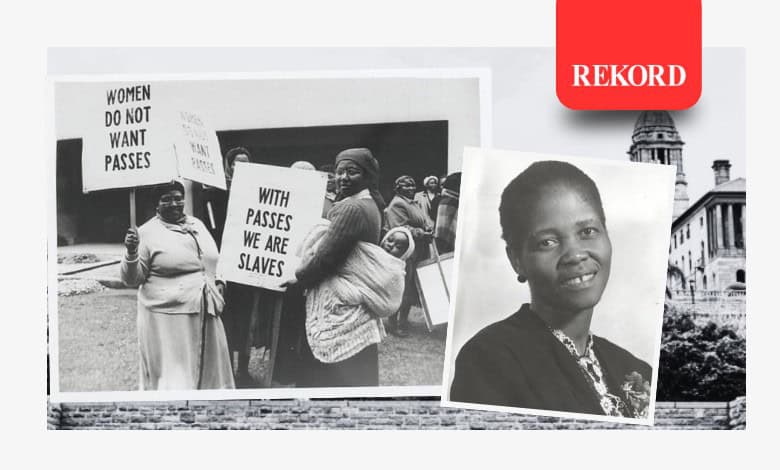
On August 9, 1956, Pretoria’s streets carried more than footsteps. Women from across South Africa made their way towards the Union Buildings, climbing the terraces in quiet determination to deliver a petition against the extension of pass laws to black women. More than 20 000 women gathered that day, standing in silence before their voices rose in a song that would become part of the country’s history.
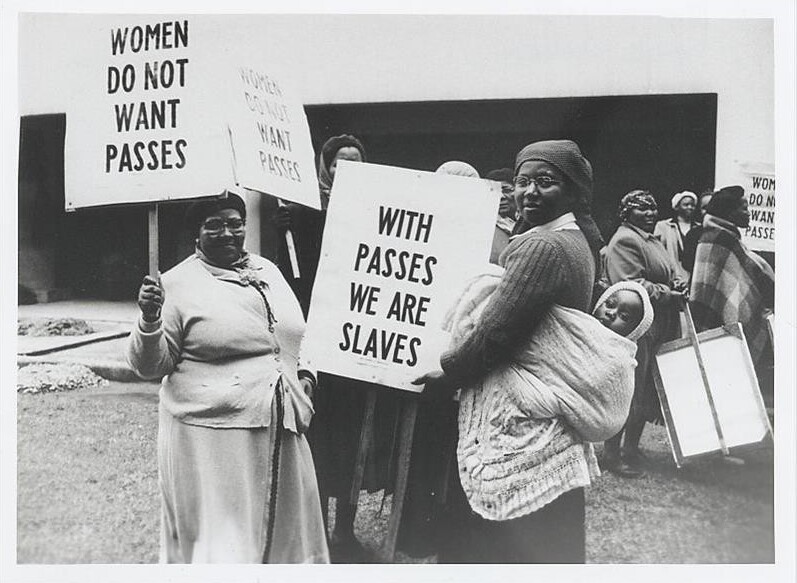
Today, the Union Buildings remain one of Pretoria’s most recognisable landmarks. Yet, beyond their grand architecture lies another story, one etched into the city’s memory by women whose courage transformed those steps into a symbol of peaceful resistance. Their legacy lives on not only in monuments and streets bearing their names, but also in the echoes of the footsteps that challenged injustice.
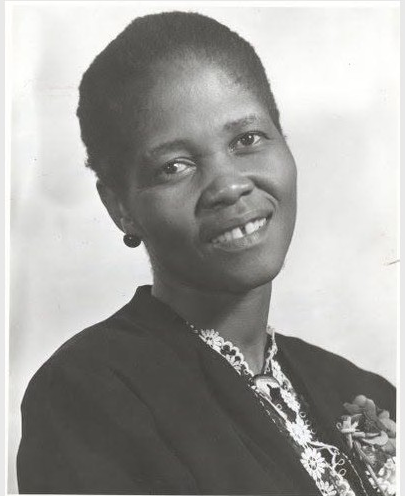
Among the leaders of the march was Sophia Williams-De Bruyn, who was just 18 years old at the time. Decades later, reflecting on that historic day, she described the overwhelming sight before her.
“I will never forget standing at the top of the Union Buildings, swelling with pride and looking at the army of 20 000 women marching up step-by-step, gracefully, with dignity and intent,” shared Williams-De Bruyn.
Her recollection captures more than a memory. It paints a picture of ordinary women united by an extraordinary purpose, determined to confront the seat of government with dignity rather than violence.
Leading activist Lilian Ngoyi had long encouraged women to take an active role in resisting injustice.
“Only direct mass action will deter the government and stop it from proceeding with its cruel laws,” said Ngoyi.
For fellow organiser Helen Joseph, the fight extended beyond race and reflected a commitment to freedom itself.
“We shall not rest until the pass laws and all forms of permits restricting our freedom have been abolished,” said Joseph.
Their determination found its voice in the now-famous refrain, “Wathint’ abafazi, wathint’ imbokodo”, which translates to, “You strike a woman, you strike a rock.” The words continue to resonate each National Women’s Day, reminding South Africans that courage often speaks loudest in moments of silence.
Pretoria has changed since 1956. Streets now bear names of women who once walked towards the Union Buildings in defiance. Statues honour their contribution, while visitors gather where history unfolded. Yet these landmarks are more than reminders of the past. They are invitations to remember that lasting change begins when ordinary people choose courage over fear.
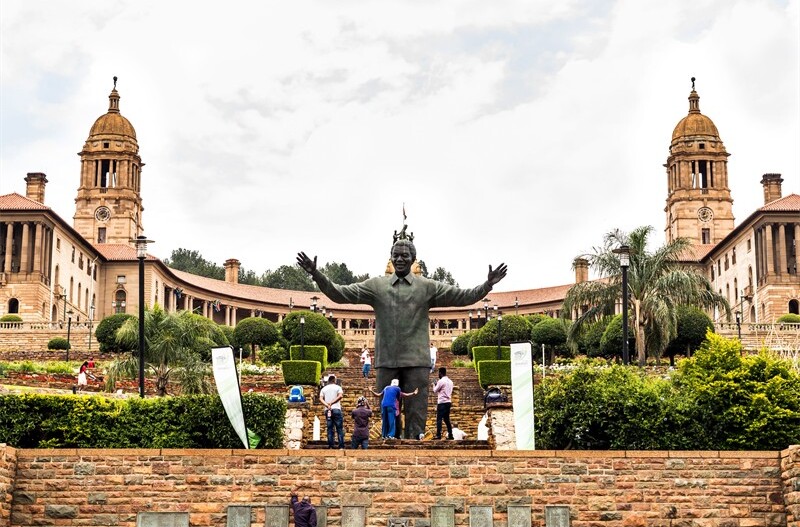
The women of 1956 left footprints that history chose to preserve. The question now is not whether their legacy endures because it does. The question is: What footprints will the women of 2026 leave behind?
Do you have more information about the story?
Please send us an email to bennittb@rekord.co.za or phone us on 083 625 4114.
For free breaking and community news, visit Rekord’s websites: Rekord East
For more news and interesting articles, like Rekord on Facebook, follow us on Twitter or Instagram or TikTok or WhatsApp Channel