Healthy ageing starts with healthy habits
The Tshwane Metro is strengthening healthcare, outreach and community support programmes as global efforts to help older people live healthier, more independent lives continue.
As the WHO’s Decade of Healthy Ageing (2021–2030) reaches its midpoint, governments, healthcare providers, and communities are intensifying efforts to help older persons live longer, healthier, and more independent lives.
The global initiative calls for improving the health, well-being and quality of life of older people through age-friendly environments, integrated healthcare and opportunities for older persons to remain active and socially connected.
In the Tshwane Metro, care providers and families say healthy ageing begins with healthy lifestyle choices, strong community support and access to quality care.
According to Lindela Mashigo, the metro supports the WHO’s vision by aligning its health services with national guidelines, while working towards becoming one of the first cities in Africa to join the WHO Global Network for Age-Friendly Cities.
“The Tshwane Metro supports the WHO Global Network for Age-Friendly Cities and will, in consultation with other national departments and stakeholders, apply to become one of the first cities in Africa to form part of the initiative,” said Mashigo.
Mashigo said prevention and management of chronic diseases form part of the comprehensive services offered at metro-managed primary healthcare clinics. These services include health education, screening, early detection, diagnosis, and treatment in line with national guidelines.
He added that older residents are supported through outreach programmes that include health screenings, eye care, foot care, nutritional information, and health education.
Mashigo said access to healthcare is further supported through mobile health services, outreach campaigns and extended service hours at selected clinics.
Older persons with stable chronic conditions can also collect medication through the six-month dispensing programme or designated collection points outside clinics, reducing the number of clinic visits required each year.
Beyond healthcare, the metro also promotes active ageing through social development programmes aimed at keeping older residents socially connected and physically active.
Mashigo said the metro works with registered non-profit organisations, community service centres, and lunch clubs that provide daily nutrition, recreational activities and peer support. In partnership with provincial departments, older persons also participate in sports and choir activities as part of the active ageing programme.
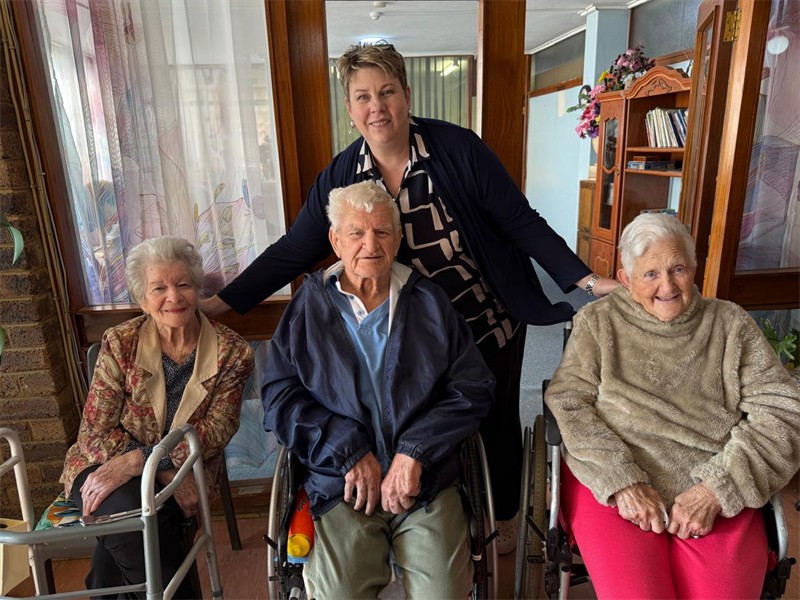
For Riana Snyman, whose parents Rita Snyman (94) and Kosie Snyman (97) continue to lead active lives, healthy ageing begins with everyday habits.
“My parents have never consumed alcohol or cold drinks. They have always followed good eating habits by eating regular meals, less meat and more vegetables. They also do not drink coffee, only Rooibos tea,” she said.
Snyman said remaining physically and mentally active has also contributed to their longevity.
“They still work in the garden, buy their own groceries and keep themselves mentally active by watching all kinds of sport and travel programmes. My mother reads all the shopping brochures, keeps up to date with grocery prices, and they both know what is happening in South African politics and around the world. Their minds are strong and very healthy.”
Lize Strauss, manager of Residentia Hermon, said the facility promotes healthy ageing by creating an environment where residents receive care while remaining as active and independent as possible.
“Residentia Hermon fosters healthy ageing by offering tailored care and wellness programmes that support residents’ physical vitality, mental sharpness and emotional well-being, while providing them with a safe home,” said Strauss.
She added that the facility provides care suited to different levels of need.
“Through an inclusive community environment, the facility empowers self-sufficient seniors, frail residents and people living with dementia to stay socially connected, purposeful and active in their daily lives, in the capacity they can,” said Strauss.
Do you have more information about the story?
Please send us an email to bennittb@rekord.co.za or phone us on 083 625 4114.
For free breaking and community news, visit Rekord’s websites: Rekord East
For more news and interesting articles, like Rekord on Facebook, follow us on Twitter or Instagram or TikTok or WhatsApp Channel