Trade union demands investigation into Unisa staff complaints
A trade union says confidential employee feedback paints a disturbing picture of burnout, psychological distress and excessive workplace pressure at Unisa, while the university disputes the claims.
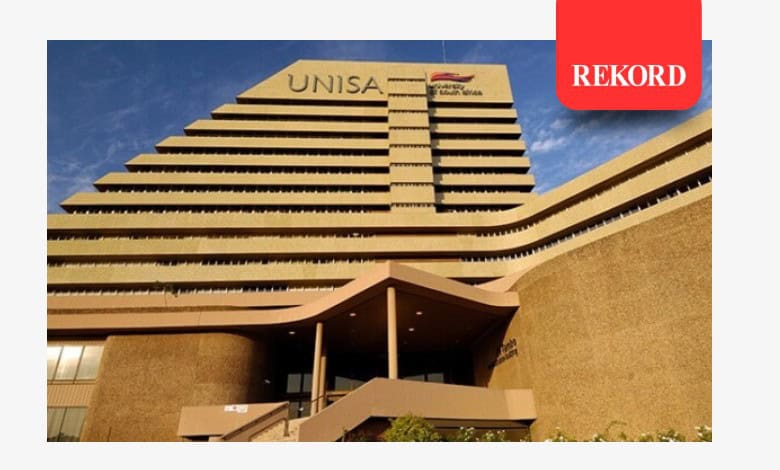
Unisa employees have described themselves as ‘close to collapse’, ‘burned out’ and ‘at breaking point’ in confidential feedback obtained by trade union Solidarity, which has called for an independent investigation into working conditions at the university.
According to Anique Niemand, network organiser of the professional sector at the trade union, the responses from employees are very similar in detail.
“What makes this feedback particularly disturbing is that employees, independently of one another, paint the same picture over and over again. The evidence does not reflect a few isolated complaints, but a pattern of employees working under unbearable pressure and increasingly sacrificing their health,” said Niemand to Rekord.
She expanded, saying when employees start talking about breakdowns, hospitalisations, burnout and medication, it is no longer simply a labour relations issue.
To Niemand and the trade union to which several Unisa employees belong, this is a serious occupational health and safety issue that can no longer be ignored.
She said the confidential feedback was obtained after concerns about working conditions at Unisa emerged in the public domain.
According to Niemand, the trade union deliberately chose not to rely solely on media reports and instead sought to establish employees’ own experiences through a strictly confidential questionnaire.
The responses, according to Solidarity, revealed recurring concerns about excessive workloads, staff shortages and the physical and psychological impact of workplace pressure.
Many employees reportedly said they regularly work evenings and weekends to keep up with their workload.
Employees also reported consequences including anxiety, depression, prolonged sick leave and burnout.
Niemand said reports of employees being hospitalised because of burnout or taking medication for anxiety and depression were also confirmed by many of those who provided feedback.
Several employees reportedly said they felt ‘powerless’ because they believed warnings to management were being ignored or downplayed.
Staff shortages were another recurring theme, with employees saying they were being required to take on increasing responsibilities while remaining under pressure to meet the same, or even higher, performance targets.
Niemand said the findings stand in stark contrast to a recent statement from Unisa in which the university dismissed reports about working conditions as ‘co-ordinated misinformation’.
She said they believe the latest feedback to the union represented the experiences of Unisa employees themselves rather than media commentary.
The organisation emphasised it would continue its formal calls to the Department of Higher Education and Training and Parliament’s Portfolio Committee on Higher Education.
“Should the department fail to take effective action, we would hold it accountable for failing to protect employees and the institution from an ongoing crisis,” added Niemand.
The trade union also plans to compile a comprehensive report detailing the full extent of the situation.
The report will be submitted to the relevant authorities as part of Solidarity’s call for an independent investigation into working conditions at Unisa.
Unisa has rejected what it regards as an attempt to misuse the deaths of staff members in the public debate over conditions at the university.
Tommy Huma, senior media officer of Unisa, said the university had noted recent media reports concerning the deaths of some staff members and expressed concern about what it described as ‘unfortunate propaganda and gamesmanship’.
He also said the families of deceased employees should be allowed to mourn with dignity and maintained that it had no intention of participating in what it considered insensitive conduct.
According to him, the university follows applicable laws in handling employee affairs and would take necessary steps if there were reasons to suspect wrongdoing.
Huma pointed to the university’s Employee Wellness Programme, Human Resources support channels and formal grievance and reporting mechanisms, which it said provide employees with access to assistance, counselling and guidance.
Do you have more information about the story?
Please send us an email to bennittb@rekord.co.za or phone us on 083 625 4114.
For free breaking and community news, visit Rekord’s websites: Rekord East
For more news and interesting articles, like Rekord on Facebook, follow us on Twitter or Instagram or TikTok or WhatsApp Channel