TUT student part of fight to protect Kgalagadi lions
The Kgalagadi lion census offers a glimpse into the work done by women on the front lines of conservation.
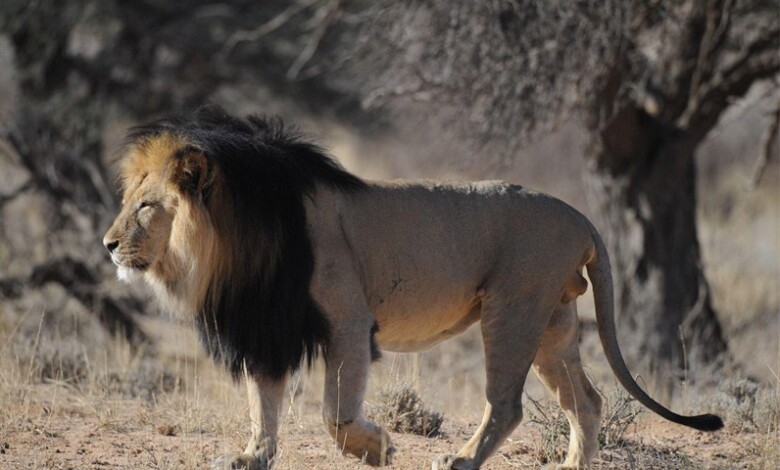
As Women’s Month turns attention to the contribution of women across South Africa, the work of women in conservation is taking place far from boardrooms and city streets, in some of the country’s most challenging landscapes.
Among them is Nonkululeko Makobong, an Endangered Wildlife Trust (EWT) field technician and a student at the Tshwane University of Technology. She works in the Kgalagadi Transfrontier Park in the southern Kalahari desert as part of a team monitoring one of South Africa’s most important free-roaming lion populations.
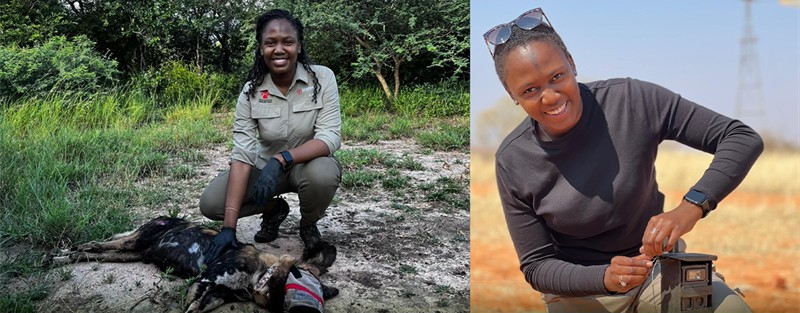
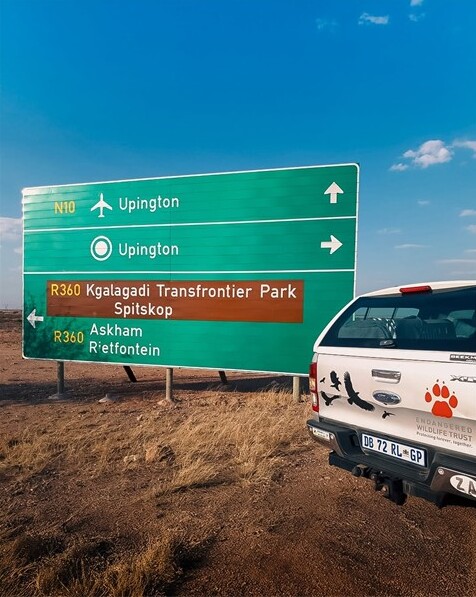
The EWT team returned to the Kgalagadi Transfrontier Park on August 1 to conduct this year’s lion population census, a three-month project running until October 31.
The work is being undertaken in partnership with SANParks, with support from the Lion Recovery Fund and private donors.
The Transfrontier Park spans South Africa and Botswana, and the monitoring project is designed to establish how many lions live in the South African part of the Transfrontier Conservation Area, as well as their demographics and spatial distribution.
According to Eleanor Momberg, EWT spokesperson, the current EWT team comprises four women and two men. It is led by EWT Carnivore Conservation Unit data analyst Alison Govaerts, with project manager Marnus Roodbol, and field technicians Makobong, Lesedi Leope, Sabelo Mahlangu and Lizaene Cornwell.
For Makobong, the work represents the combination of academic training, practical experience and a strong connection to wildlife.
“I am constantly in Pretoria for a week every three months for my contact week at the Tshwane University of Technology (TUT) as I am currently enrolled for my Advanced Diploma in Nature Conservation,” she said.
Her path into conservation included practical training that gave her direct experience of working with wildlife in the field.
“My undergraduate education at TUT really gave me everything except a Leather Man knife that I had to get on my own. The diploma was the right intro into proper species and reserve management,” she said.
“It is also incredible that for the last year of my undergrad studies I had to work a full year on a reserve to gain practical experience. That is when I worked with camera traps for the first time, predator surveys, and it really enabled me to be a great EWT field officer in the Kgalagadi,” she said.
Today, her role also includes work within the Carnivore Conservation and Birds of Prey Units. Her field activities include collecting wildlife data, monitoring populations and contributing to landscape restoration efforts with local landowners.
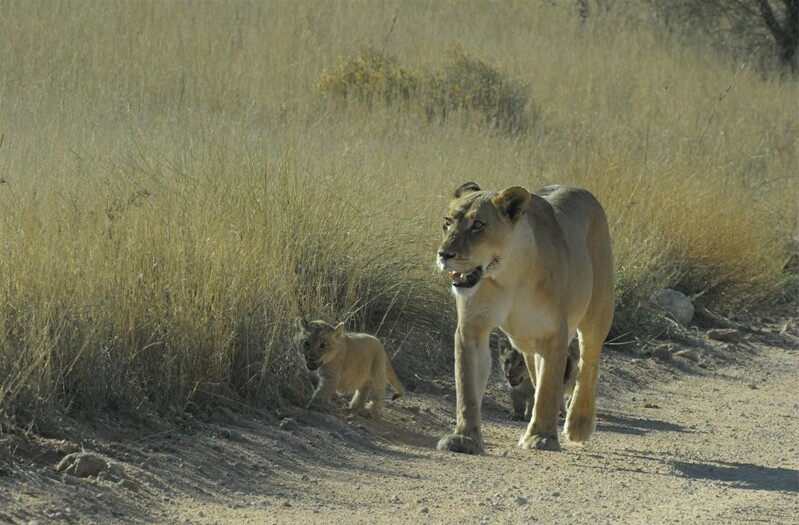
She explained the lion census relies heavily on technology and careful individual identification.
Previous counts used two methods to identify individual lions. Teams drove on narrow paths through the veld while recording the kilometres travelled on a mobile tracking application on their smartphones, looking for lions that were close enough to identify.
She said because individual lions were identified, researchers could avoid double counts and build pride and coalition catalogues based on lions observed together.
The annual surveys are intended to establish a strong foundation for future long-term monitoring.
Momberg explained that for conservationists, knowing the status and performance of the population is central to national lion conservation planning and to managing the broader transboundary ecosystem.
“Lions play an important ecological role as apex predators. Monitoring their populations can help identify changes and potential threats while supporting management decisions. Their presence also helps maintain a healthy prey base and keeps medium-sized predator populations in check. Without lions, prey populations could risk overgrazing the landscape,” according to Momberg.
She emphasised that beyond their ecological importance, lions have economic and cultural significance.
“They are a flagship species and a popular Big Five sighting for safari visitors. They also symbolise power, strength and leadership and are embedded in practices ranging from totems and clans to sports teams and spiritual and traditional customs.”
For Makobong, however, the importance of lions is also personal.
“Lions are a very powerful and mighty entity in the wild. I love how they naturally have a lot of respect from other animals in the ecosystem. They are incredibly beautiful animals, and there is nothing more peaceful than listening to a lion’s roar outside camp when you are trying to fall asleep at night in the bush,” she said.
Do you have more information about the story?
Please send us an email to bennittb@rekord.co.za or phone us on 083 625 4114.
For free breaking and community news, visit Rekord’s websites: Rekord East
For more news and interesting articles, like Rekord on Facebook, follow us on Twitter or Instagram or TikTok or WhatsApp Channel