First informal trading permits issued in Olievenhoutbosch
The permits form part of the of a pilot aimed at supporting and formalising the township economy.
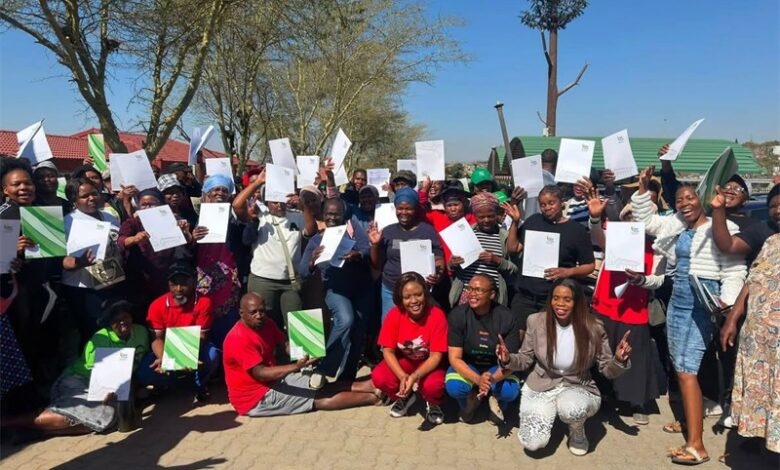
The Tshwane Metro handed over the first batch of informal trading permits to traders in Olievenhoutbosch on August 25.
The handover marked the start of its new Informal Trading and Township Economy By-law.
Mayor Dr Nasiphi Moya, MMC for Economic Development and Spatial Planning Sarah Mabotsa, alongside other members of the mayoral committee, were in attendance.
The new by-law broadens the scope of informal trading activities recognised by the metro and provides permits for businesses operating in designated and compliant areas.
“This work represents the first pilot phase of implementation of our new by-law, which recognises a far wider range of the informal economy than before, when only street traders were recognised,” said Mabotsa.
She said the regulations were intended to ensure that informal businesses operate in appropriate spaces while receiving support from the municipality.
“Car washes, for example, require specific areas so that roads are not damaged or flooded,” she added.
The permit process follows visits to Olievenhoutbosch by Moya and Mabotsa in April, after which residents were invited to apply for business and informal trading registrations at the Olievenhoutbosch Community Hall.
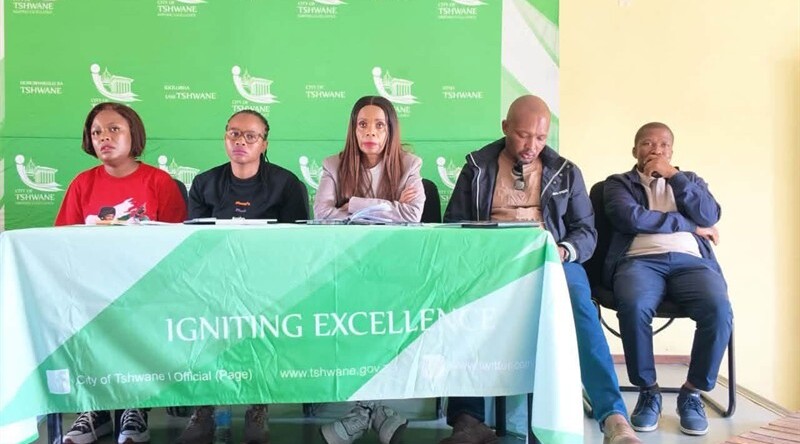
Image:Facebook/ Nasiphi Moya.
Applicants were required to provide identification and proof of residence and attend a free compliance training workshop.
“To qualify for a permit, applicants must attend a free compliance training workshop, must be a local resident and, in terms of the new by-law, must be a South African citizen,” said Mabotsa.
She added that more than 1 600 people expressed interest in applying for business or trading licences, while 533 applicants have attended the mandatory compliance workshops.
A total of 77 compliant applicants received permits during the first phase, including three traders selling non-perishable goods and 74 dealing in perishable products such as fruit and vegetables.
Mabotsa said further permit rollouts will take place across the city following the pilot, while plans are also underway to develop more formalised trading facilities on municipal land.
She stated that supporting the informal economy was central to the metro’s economic growth plans.
“Tshwane is open for business. We are creating an enabling environment where investment can thrive, businesses can grow and there are more job opportunities for our residents.”
Do you have more information about the story?
Please send us an email to bennittb@rekord.co.za or phone us on 083 625 4114.
For free breaking and community news, visit Rekord’s websites: Rekord East
For more news and interesting articles, like Rekord on Facebook, follow us on Twitter or Instagram or TikTok or WhatsApp Channel