When you need brain tumour surgery, choose life
It’s important to recognise the signs and seek medical advice promptly, as early diagnosis can improve your chances of a better outcome.
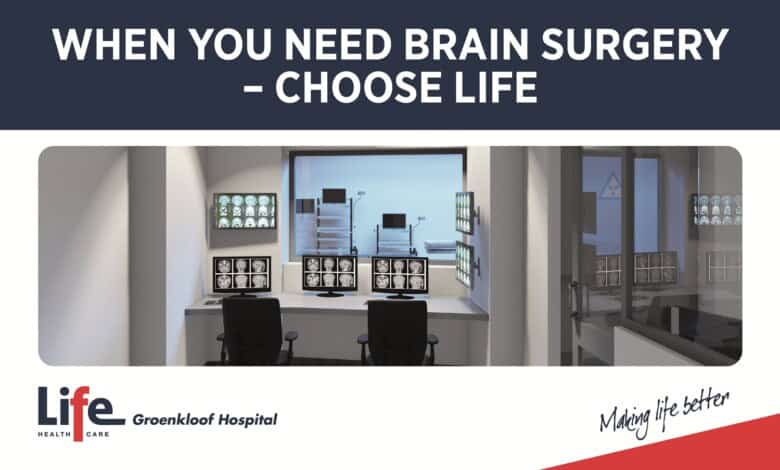
A brain tumour is an abnormal growth of tissue within the brain. Tumours can be benign (non-cancerous) or malignant (cancerous) and may either originate in the brain or spread there from elsewhere. It’s important to recognise the signs and seek medical advice promptly, as early diagnosis can improve your chances of a better outcome.
Common symptoms include:
– Headaches:
– Headaches are the hallmark of raised pressure in the brain.
– They precede all other symptoms related to brain tumours.
– These can be more severe in the morning and may vary in intensity.
– Chronic headaches that are associated with nausea and vomiting need medical attention.
– Seizures:
– Especially if you have no history of seizures.
– Seizures that begin in adulthood need a prompt consultation with a neurosurgeon.
– Cognitive or personality changes, including:
– Memory loss
– Mood swings
– Poor concentration
– Changes in sleep patterns.
Often it is friends and family that notice changes in personality and behaviour, such as
– Fatigue – general lethargy or feeling more sleepy than usual.
– Neurological problems – loss of balance, weakness on one side of the body.
Sensory changes, including
– Changes in vision such as double vision, blurry vision or loss of peripheral vision.
– Changes in hearing or smell may also be symptomatic of a brain tumour.
Speech difficulties, including difficulty with speaking or understanding speech.
Understanding your risk
Some people are more predisposed to brain tumours due to genetics, lifestyle or environmental factors.
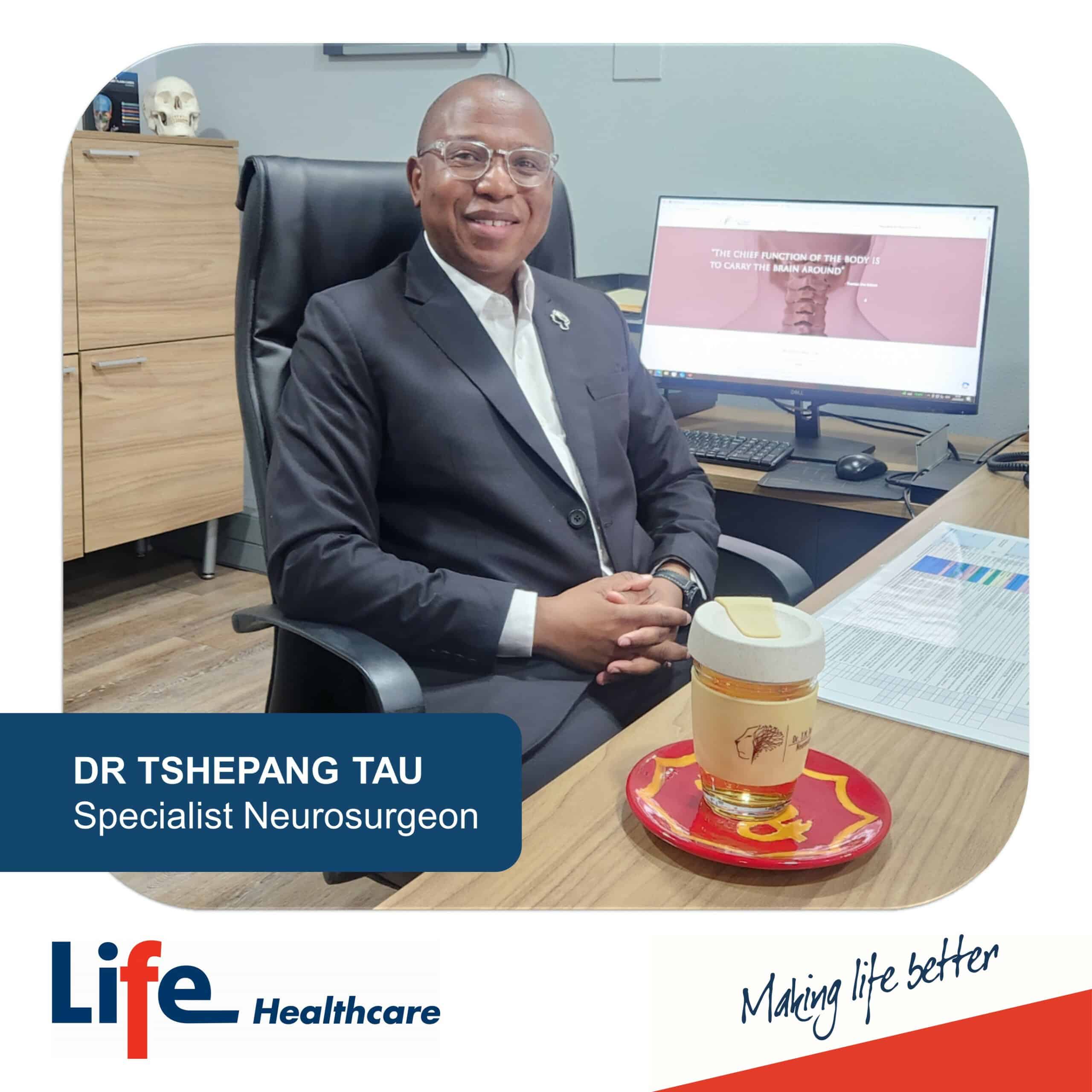
“Similar to other chronic illnesses like diabetes or hypertension, many brain tumours run in families,” explains Dr Tshepang Tau, neurosurgeon at Life Groenkloof Hospital.
“However, certain lifestyle habits also increase the risk. Smoking, for example, is a major risk factor for lung cancers in smokers often spread to the brain.
“Fairer-skinned people should also be vigilant about abnormal skin spots, as some can become highly malignant and spread to the brain.”
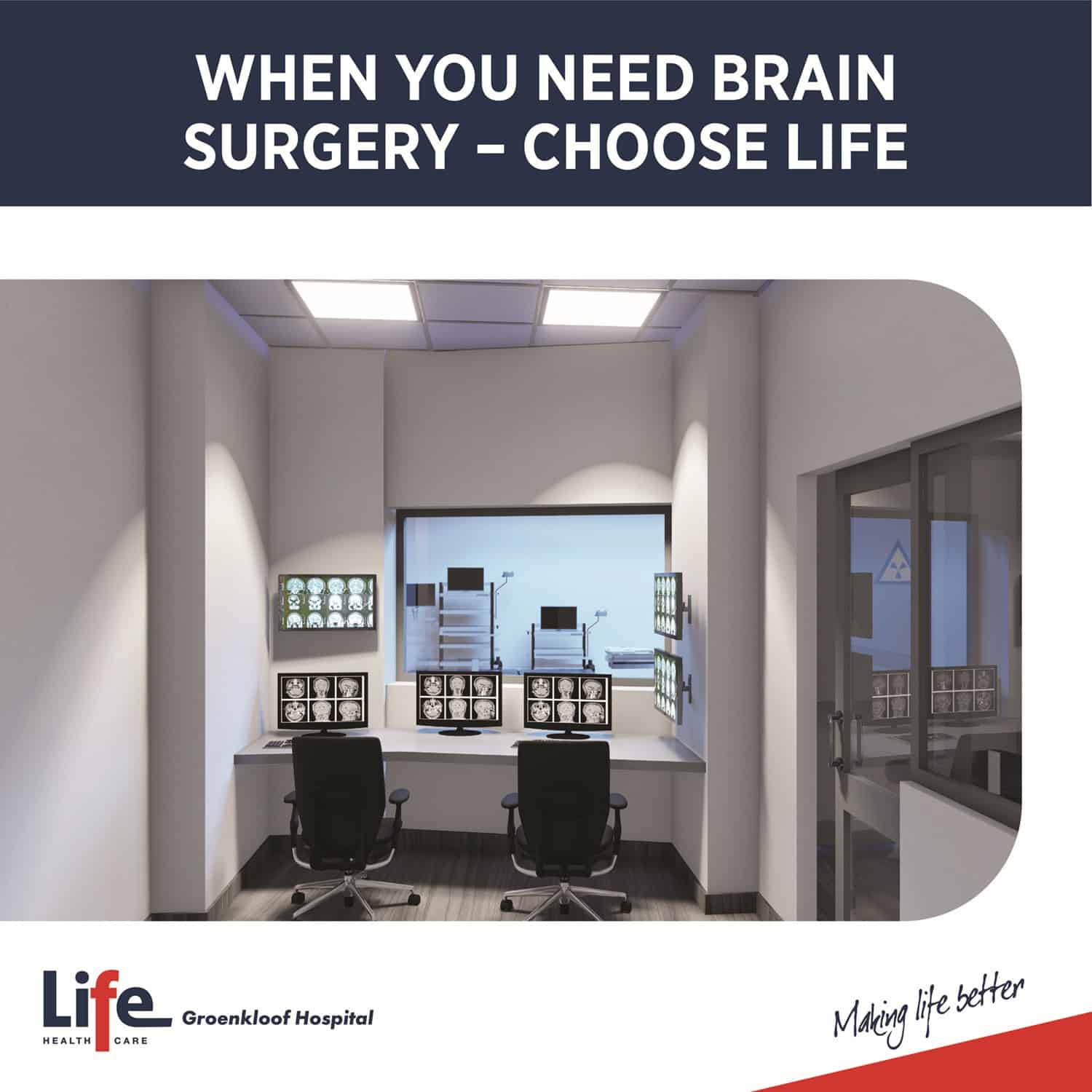
Advanced, coordinated care at Life Groenkloof Hospital
At Life Groenkloof Hospital, we deliver comprehensive care for brain tumour patients through a multidisciplinary team of neurosurgeons, neurologists, oncologists, rehabilitation therapists, and other specialists. Together, they create tailored treatment plans to achieve the best possible outcome.
“When you’re dealing with the brain, you need a multidisciplinary team approach. It’s not just the doctors, everyone from the rehabilitation centre, oncology unit, physiotherapists, occupational therapists, and speech therapists all play a crucial role in supporting patients through their healing journey,” says Dr Tau.
Innovative technology for better outcomes
We offer surgery, chemotherapy, and radiation therapy as part of each patient’s personalised care plan. Our intra-operative MRI (iMRI) technology allows surgeons to take real-time images during surgery, improving precision and reducing the chance of residual tumour tissue.
“With iMRI technology, we strive for a quest with zero defects,” adds Dr Tau. “It removes doubt and allows us to safely remove as much of the tumour as possible, which is better for the patient.”
Our Mary Potter Oncology Unit provides expert chemotherapy and radiation therapy when required, ensuring seamless care beyond surgery.
If you’re concerned about any symptoms or risk factors, speak to your GP. They can assess your health and refer you for further tests, including a brain scan if needed.
Don’t wait, early diagnosis gives you the best chance of a successful outcome.
For more information about our doctors, facilities and services, contact Life Groenkloof Hospital on 012 424 3600, email karen.landsberg@lifehealthcare.co.za or visit Life Groenkloof Hospital.