Portable oxygen concentrators vs traditional oxygen tanks
Oxygen therapy has long been a lifeline for individuals with respiratory conditions, improving their quality of life and supporting their health needs.
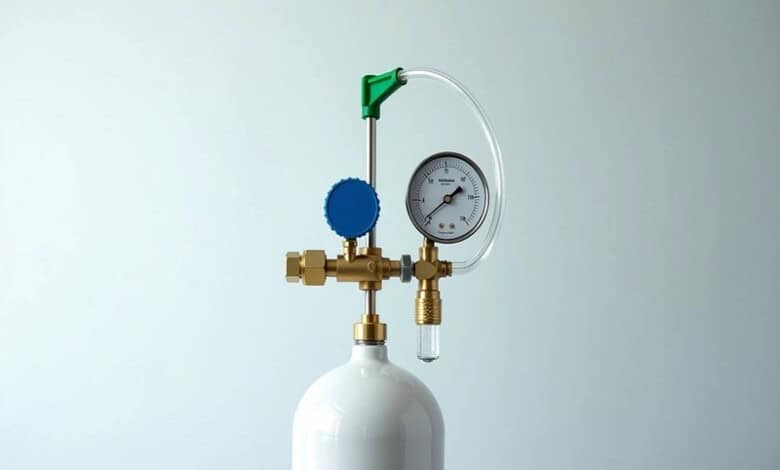
When choosing between portable oxygen concentrators (POCs) and traditional oxygen tanks, the decision can majorly impact convenience, mobility, and overall lifestyle. While both options provide essential oxygen support, portable oxygen concentrators have increasingly emerged as the preferred choice for modern users.
Mobility and Convenience
One of the most striking advantages of portable oxygen concentrators is their unparalleled mobility. Unlike traditional oxygen tanks, which are often bulky and heavy, POCs are designed to be lightweight, compact, and easy to carry.
This feature allows users to maintain an active lifestyle, whether travelling, running errands, or enjoying outdoor activities. Many POCs are approved for air travel, further adding to their appeal for frequent travellers. In contrast, with their limited portability and need for regular refills, traditional tanks can restrict movement and require careful planning for outings.
Continuous Oxygen Supply
Portable oxygen concentrators offer a continuous supply of oxygen by extracting it from the ambient air, eliminating the need for regular tank refills. This feature means that users never have to worry about running out of oxygen unexpectedly—a common concern with traditional tanks.
While traditional tanks rely on finite reserves of compressed or liquid oxygen, POCs operate on rechargeable batteries or AC power, making them a more reliable option for long-term use.
Safety and Maintenance
Traditional oxygen tanks, while effective, carry certain risks associated with the storage of pressurised oxygen. Mishandling or improper storage can pose safety concerns. POCs, on the other hand, are designed with user safety in mind, reducing these risks significantly.
POCs also require minimal maintenance, as they do not need frequent refills or specialised handling, making them a user-friendly alternative.
Cost Efficiency in the Long Run
While the initial investment in a portable oxygen concentrator may seem higher, the long-term cost savings are worth considering. Traditional tanks incur ongoing refills, deliveries, and maintenance expenses, which can add up over time.
In contrast, POCs operate on electricity and require no refills, resulting in lower operational costs in the long run.
Environmental Considerations
Portable oxygen concentrators are also a more environmentally friendly option. By eliminating the need for frequent refills and transportation of oxygen tanks, POCs contribute to reduced carbon emissions associated with delivery services. This aligns with the growing emphasis on sustainability in healthcare.
Conclusion
While traditional oxygen tanks have been a reliable option for decades, portable oxygen concentrators bring users unparalleled convenience and long-term benefits.
With their lightweight design, POCs are revolutionising how oxygen therapy is delivered. Portable oxygen concentrators are the clear choice for those seeking greater freedom and an improved quality of life.