
Clashes over metro payroll and financial stability claim
The DA claims the Tshwane metro came close to missing the employee payroll due to cash-flow pressure. In contrast, the metro rejected the allegations, saying salaries were paid on time, revenue targets were exceeded and its financial position remains stable.
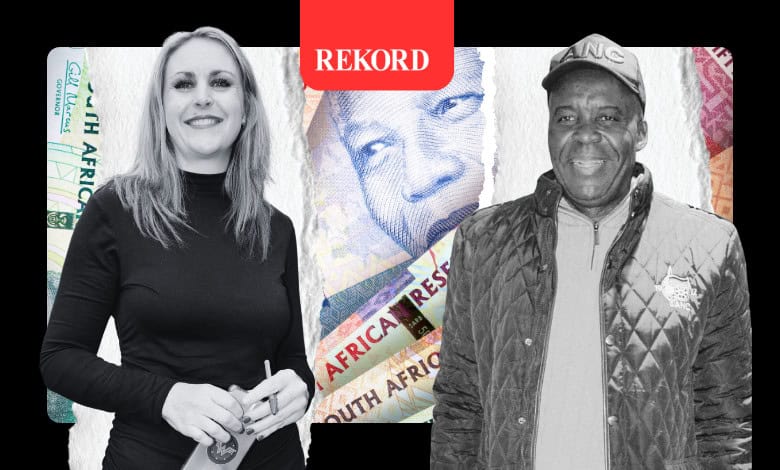
Questions over the metro’s financial position have intensified after the DA alleged that the metro came close to failing to pay employee salaries in June, while the metro has rejected the claims and insisted its finances remain stable.
The dispute follows an enquiry submitted to the city seeking clarification on reports of cash-flow constraints, alleged revenue under-collection and growing pressure on municipal finances.
DA Tshwane spokesperson for Finance Jacqui Uys said the party had received information suggesting the metro almost did not have enough money to pay its employees on payday.
“The DA has learned that the ANC government almost did not have enough money to pay its employees on payday,” Uys said.
She added that information available to the DA indicated the metro only had sufficient cash in its bank account to process payroll by late afternoon on the day salaries were due.
“If this were the case, it confirms the DA’s warnings about the city’s worsening financial situation,” she said.
According to Uys, internal city reporting indicated that as at June 15 the metro was about R3-billion below the revenue collection targets set out in its Budget Funding Plan.
She said the alleged under-collection, together with what she described as unaffordable salary increases, had placed pressure on the metro’s cash resources.
Uys also claimed that suppliers with approved invoices were increasingly being pushed back in the payment queue and alleged that the metro’s debtors’ book had grown to about R32-billion, an increase of R12-billion in a year.
She questioned the metro’s assertion that it had a funded budget, saying on paper it meant little if sufficient cash was not available to meet day-to-day obligations such as salaries, creditor payments and service delivery.
The metro has strongly rejected the DA’s allegations, describing them as false and misleading.
Responding on behalf of the metro, deputy mayor and MMC for Finance Eugene Modise said: “These claims are categorically false and appear to form part of a desperate attempt to undermine the financial progress achieved by the current multi-party coalition government.”
According to Modise, the metro was at no stage unable, or likely to be unable, to meet its payroll obligations. He said salaries are planned well in advance through established treasury management processes to ensure employees are paid on time.
Modise said that after paying employee salaries, the metro still maintained a positive bank balance of about R1.8-billion.
He also rejected claims regarding the metro’s revenue collection performance.
According to the city’s response, by June 26, while revenue collection was still continuing until the close of business on the final working day of the month, the municipality had already collected more than R3.6-billion for June, exceeding the monthly target contained in its funded budget.
He further stated that on a year-to-date basis it had collected about 98% of the revenue projected in its Budget Funding Plan and said this did not support the DA’s allegation of a shortfall.
Modise said the municipality had continued to meet major financial obligations, including settling a R1-billion loan during June and remaining up to date with its Eskom debt repayment agreement.
He added that improved capital expenditure performance had resulted in National Treasury allocating an additional R300-million to the metro and that the municipality’s budget had been assessed as funded following a technical assessment conducted against the requirements of the Municipal Finance Management Act.
The metro disputed claims that its debtors’ book was increasing, saying it had instead begun to decline because of focused revenue enhancement and debt collection interventions.
In its response, the municipality said the opposition was entitled to scrutinise its finances but was not entitled to misrepresent them.
“There is a significant difference between robust political oversight and deliberately distorting financial information to create unnecessary panic among employees, residents, businesses and investors.”
Modise maintained that the metro inherited serious financial challenges but said disciplined financial management, improved revenue collection, stronger expenditure controls and responsible governance were strengthening its financial position while restoring long-term sustainability.
Do you have more information about the story?
Please send us an email to bennittb@rekord.co.za or phone us on 083 625 4114.
For free breaking and community news, visit Rekord’s websites: Rekord East
For more news and interesting articles, like Rekord on Facebook, follow us on Twitter or Instagram or TikTok or WhatsApp Channel


