Tshwane metro blames administrators for current financial instability
“Based on MEC Maile’s letter it is clear that he does not in fact read the section 71 finance reports that are submitted by the City each month to the provincial government in line with legislation. This should be a core part of his job as MEC,” Williams said in his response.
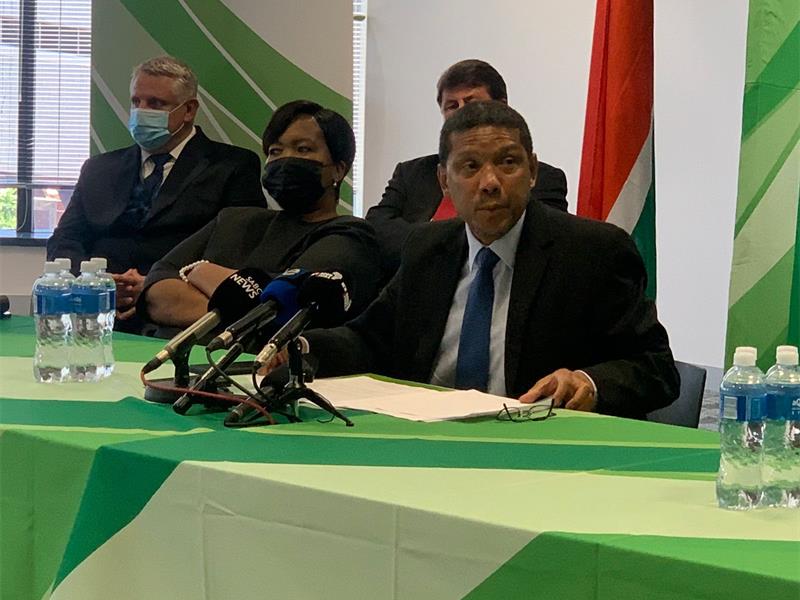
Tshwane mayor Randall Williams has blamed the administrators who ran the metro in 2020 for mismanaging funds, leading to the current financial instability.
Williams will this week respond to Gauteng Cogta MEC’s request for further information on the metro’s financial position.
Last week former Gauteng MEC for human settlements, urban planning and cooperative governance and traditional affairs (Cogta), Lebogang Maile requested Williams’ account for the metro’s serious financial constraints.
“This will be a systematic breakdown of the history of the City’s finances coupled with multiple supporting reports,” said Williams in his response.
“Based on MEC Maile’s letter, it is clear that he does not in fact read the section 71 finance reports that are submitted by the City each month to the provincial government in line with legislation. This should be a core part of his job as MEC.”
Williams blamed the administrators who led Tshwane in 2020, for the start of the current financial misfortune of the metro.
He said the R4.3-billion deficit that was incurred by the administrators was due to systematic financial mismanagement.
“The administrators failed to ensure that revenue collection in the metro was sustained and even suspended credit control processes. Linked to this was an inability to curtail spending in line with the City’s actual cash flow.”
He said the cash flow was not properly managed for projects.
“There were various illogical decisions that compromised the City’s finances, for example the administrators wanted to spend R290-million to buy vacant land to the east of Mamelodi.”
Williams said the transaction was, however, overturned.
“Since then, we have now seen that the provincial government decided to procure this transaction.”
Williams said the metro’s finances were, however gradually being turned around through a variety of different measures, such as the aggressive revenue collection campaigns, sustained cost containment, cutting unnecessary expenditure and focusing on basic service delivery.
“The campaign has seen us disconnect commercial and residential properties with outstanding bills. This has seen a significant increase in revenue collection since the beginning of the year.”
He said Tshwane collected R3,039-billion in June; R3,179-billion in July and R3,357-billion in August.
“Now in September we collected R3,532-billion which is one the highest collection rates we have seen in the metro.”
He said to continue saving funds, the metro’s primary goal was to upgrade the critical water and electricity infrastructure, which had been neglected for decades.
The Gauteng government had given Williams seven days from the beginning of October, to set the record straight regarding the metro’s financial status.
The MEC wrote to Williams to ask if the metro was broke following a string of delayed payments for service delivery operations.
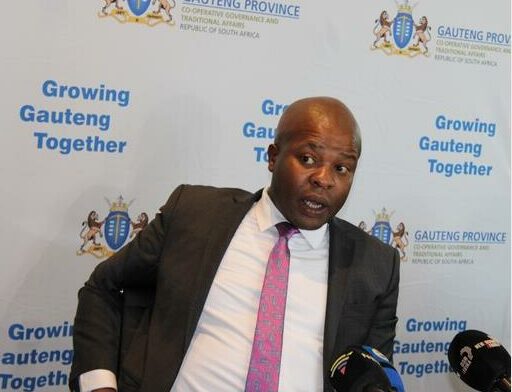
“It has been widely reported in the media that Tshwane is experiencing serious financial problems,” wrote Maile.
“These reports, among others, covered the City’s failure to pay the salaries of staff on time or at all, for September; struggling to pay Eskom and as a result facing the possibility of disconnection of electricity services; while Tshwane’s fleet was parked due to the unavailability of diesel.”
Maile said reports suggested that Tshwane had no money to pay service providers for diesel.
He said if Tshwane had financial woes, then the implications were greater for residents as service delivery would begin to deteriorate.
“This is not done for any political reasons, as that would mean we are failing as a provincial government if we did not intervene. The law directs us to act the way we are acting even if we did not want to.”
Metro spokesperson Lindela Mashigo said that salary payments were delayed as a result of a glitch at Absa – not because of any cash flow problems by the metro.
Tshwane has, however, been struggling to make its monthly Eskom payments since the beginning of the year, which led to the utility threatening disconnection of services.
While, half of the Tshwane bus service fleet was grounded temporarily due to what it called “logistical glitches” that resulted in late fuel delivery by a service provider.
Do you have more information about the story?
Please send us an email to editorial@rekord.co.za or phone us on 083 625 4114.
For free breaking and community news, visit Rekord’s websites: Rekord East
For more news and interesting articles, like Rekord on Facebook, follow us on Twitter or Instagram