Tshwane metro owes us R628m, says Rand Water
“They are overdue by R313-million while their current bill stands at R315-million.”
The Tshwane metro owes more than half a billion rands to Rand Water, it was revealed this week.
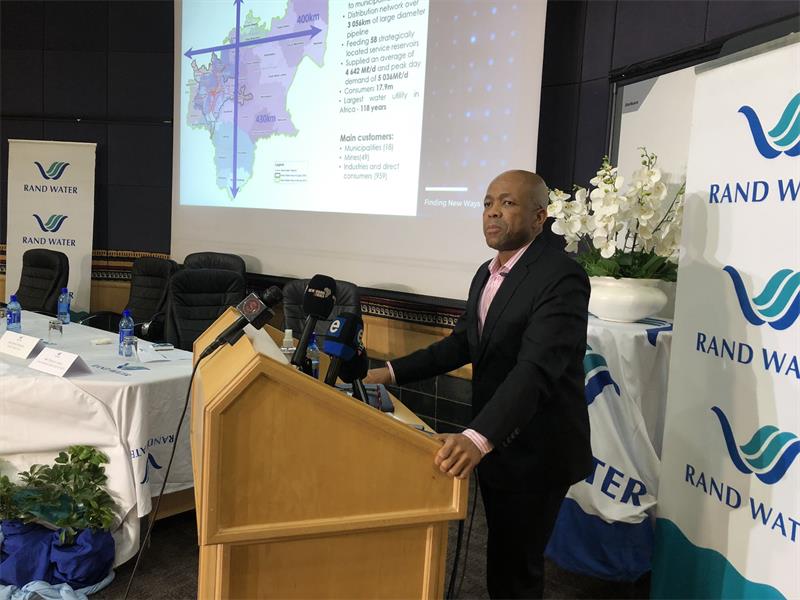
“They are overdue by R313-million while their current bill stands at R315-million,” Rand Water chief executive Sipho Mosai told a media briefing this week.
“In total, they owe us R628-million.”
Mosai said the metro had received a 100% water flow and cautioned it to use water sparingly.
“The metro has constantly struggled to honour the payment terms to pay its current account timeously.”
He said constant engagements were had with the metro to recover the debt.
He further highlighted that Rand Water’s financial difficulties were made worse by the increasing volumes of water it supplied along with a lack of timeous payments.
“Debtor’s days are increasing to 80.”
According to Mosai, the average water consumption in South Africa is 233 litres per capita compared to a world average of 173.
“That’s because we are using drinking water for non-drinking water purposes.”
Tshwane metro spokesperson Lindela Mashigo confirmed that it was in arrears with Rand Water.
He said the metro has, however, embarked on a programme to reduce bulk water losses when water is being reticulated to consumers.
The metro has allocated R75-million to deter wasteful expenditure caused by worn-out water pipelines for the current 2020/23 financial year.
Areas that would receive attention were Pretoria North, Dorandia, Sinoville, Mamelodi, Eersterust, Constantia Park, Moreletapark, Riamarpark and Clubview.
Utilities and regional operations MMC Daryl Johnston said an estimated 18 420m of pipes would be replaced.
“We have also initiated additional scouting and leak-detection activities with pilot projects, working with new technology to find leaks before they are visible above ground.”
He hoped that the metro’s financial situation would improve as revenue-collection rates stabilised. This would allow the metro to allocate more funds to critical infrastructure maintenance.
Mayor Randall Williams said Tshwane was looking into ways to optimise available water resources to “further generate our own water”.
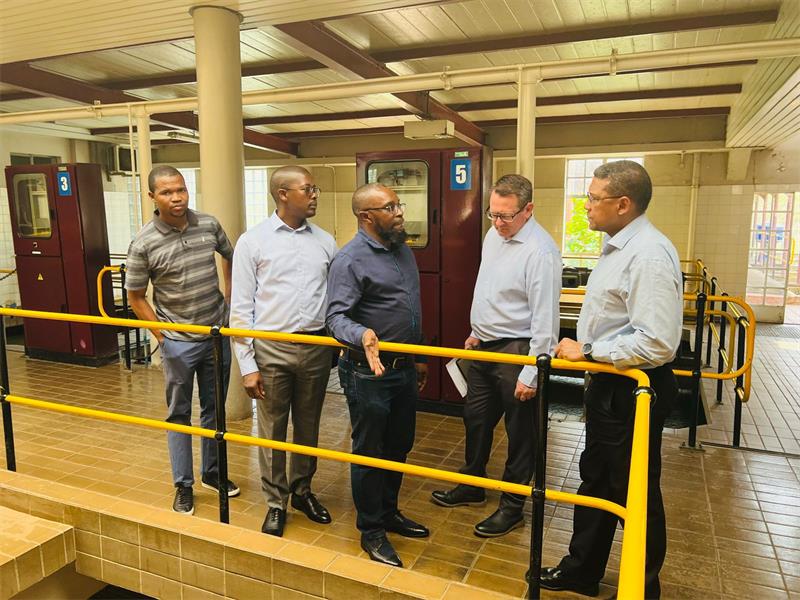
Williams made the remarks during an oversight visit to the Rietvlei water treatment plant.
“It is increasingly becoming important for municipalities to have a tangible water security plan.”
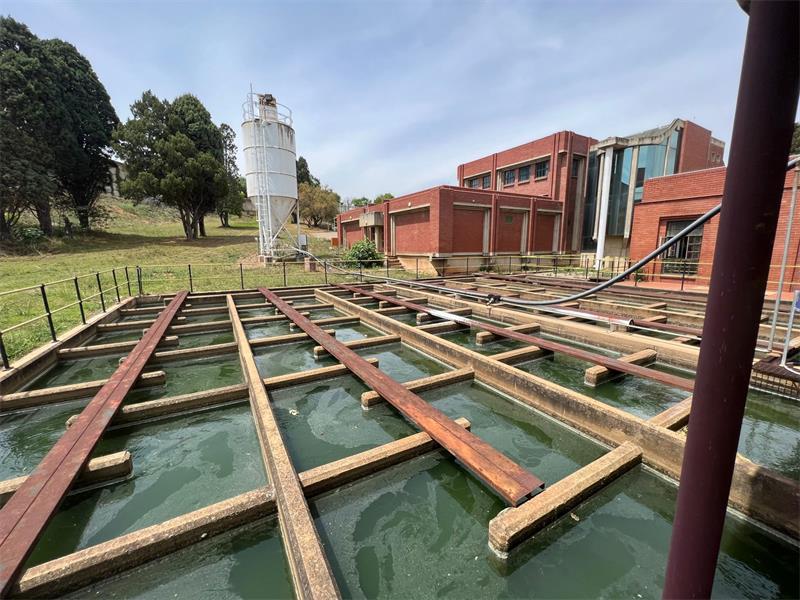
Williams said Tshwane produced over 100 megalitres of its own potable water daily and purchased around 700 megalitres per day from Rand Water.
He said the metro could potentially produce up to 44% of its own water by optimising current consumption.
He said the City, however, did not have a budget for this.
But it was looking at all possible funding prospects, including engagements with the Department of Water and Sanitation and development funders for assistance.
Do you have more information about the story?
Please send us an email to editorial@rekord.co.za or phone us on 083 625 4114.
For free breaking and community news, visit Rekord’s websites: Rekord East
For more news and interesting articles, like Rekord on Facebook, follow us on Twitter or Instagram