Developers promise ‘no pollution’ to east nature reserve during construction
More details have been shared about a proposed development of a plot near a nature reserve in the east of Pretoria.
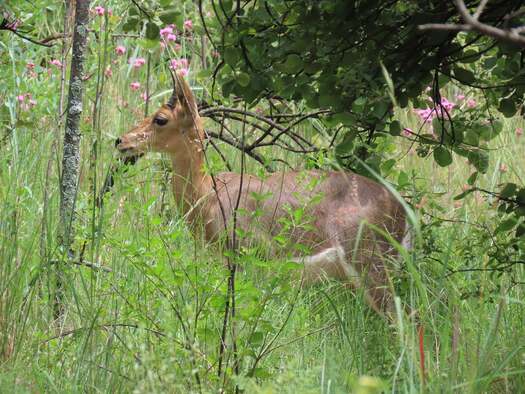
The developers of a prospective residential complex near a nature reserve east of Pretoria have promised that their project would not pollute the reserve as nature lovers feared.
In June residents said they were concerned about the impact the proposed development on the Rubenstein Drive side of the reserve would have on the area.
The Moreleta Kloof nature reserve is one of the significant green belts in the Capital City.
The draft basic assessment report (BAR) for the proposed residential development submitted to the Gauteng agriculture and rural development department (GDARD) earlier this month, said: “The proposed project could be considered as a sustainable development that will prevent pollution and ecological degradation whilst promoting justifiable economic and social development”.
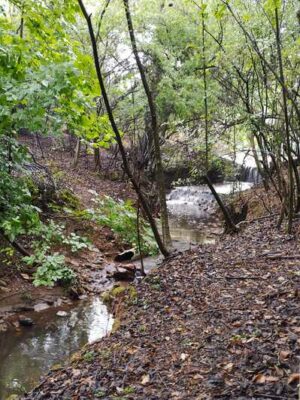
The plot near the reserve is privately owned and not part of the reserve, however, it is on the Rademeyer Spruit, a water source running through the reserve.
The developers have said the residential development to be known as Erasmuskloof ext. 6 would not comprise more than 41 residential units.
The developers, Moreleta Meander, said they also plan to build a two-lane road for access, “the road will extend from the intersection of Rutgers and Verdi streets to the access point of the township [Erasmuskloof ext. 6].”
“The new development will generate approximately 31 trips in morning and afternoon peak hour,” the proposal read.
While the east of Pretoria has been having electricity issues, the developers reckoned that there was capacity in the vicinity at Wingate primary substation.
No plants would be endangered during the development and no wetland features were identified in the plot, the report stated.
The report stipulated that while no units would be built in the floodline, the plot was affected by flooding.
“The internal stormwater system will be designed as such that any stormwater in excess of the pre-development flow for a 1:2 year flow will be discharged directly into the Rademeyer Spruit.
“The necessary erosion control measures will be taken where the stormwater is discharged. The flow paths will be away from the buildings to the lower laying stormwater systems to the discharge points.”
Community organisation, Friends of Moreleta Kloof, member Jeannie du Plessis had said the management of the stormwater would have to be well planned and regulated during construction and afterwards.
“I am thinking of diesel that got into a stream when one upmarket shopping mall in the east of Pretoria was built and it reached Moreleta Spruit,” she said.
Du Plessis said the pollution of the spruit threatens the life of the environment.
“It is clearly stipulated [in law] what measures must be taken to prevent any ecological degradation that will have a serious effect on not just Moreleta Kloof but all the reserves and green areas along Moreleta spruit.”
She said regulations must be adhered to “at all cost” and there must be inspections done by Tshwane municipality and provincial government to ensure that environmental impact assessment would be followed. If this is done, Du Plessis said she was confident the spruit would be safe.
Du Plessis said they were not against development but wanted assurance that the reserve would not be endangered.
“This stand must be developed because through many years us and Nature Conservation had to keep a watch that no fires were started there that could damage the reserve and no squatters moved in. It has been a big security concern in this area for many years, there was no responsibility taken for this unfenced stand,” she said.
“The Friends of Moreleta Kloof and nature experts are studying the basic assessment report,” she said, adding that if they find that the protection proposed in this report [BAR] was not sufficient, they would raise that in the public participation meeting.
Another resident, advocate Bernard Makhubela said the development would reduce illegal land occupation, “that vacant land is a potential getaway for criminals who cross over to the old dumpsite and Plastic View at night”.
Makhubela said residents had huge traffic problems on the corner of Rutgers and Rubenstein streets, and that there would be a need for traffic lights at this and other intersections to ensure better traffic flow as more people moving-in.
Sharon Kaufmann concurred with Makhubela describing the anticipated traffic a “nightmare”.
“Traffic in and out of the Moreleta Kloof area is already a problem, there being only two exits/entrances into Rubenstein Street.”
A PhD candidate in plant and soil sciences studies, who wanted to be anonymous, said the pollution of water during and after construction was a concern.
“Alien plant species, especially along the outskirts of the reserve, are already a problem.
“Construction activities and inappropriate storage and or rehabilitation after construction may further affect alien species such as increase their abundance throughout the reserve, but especially in disturbed areas.”
Residents can read the report on the Landscape Architects and Environmental Planners (Leap) website and those who wish to comment on it can do so until November 12 by email to admin@leapenviro.co.za.
Leap conducted environmental studies on the plot set to be developed.
ALSO READ: Tshwane metro police will monitor closed-off streets on Sunday due to race
Do you have more information about the story?
Please send us an email to editorial@rekord.co.za or phone us on 083 625 4114.
For free breaking and community news, visit Rekord’s websites: Rekord East
For more news and interesting articles, like Rekord on Facebook, follow us on Twitter or Instagram