Pta family’s anguish after dad suffers stroke
The family tells of the impact of having a breadwinner losing a job and his sudden illness.
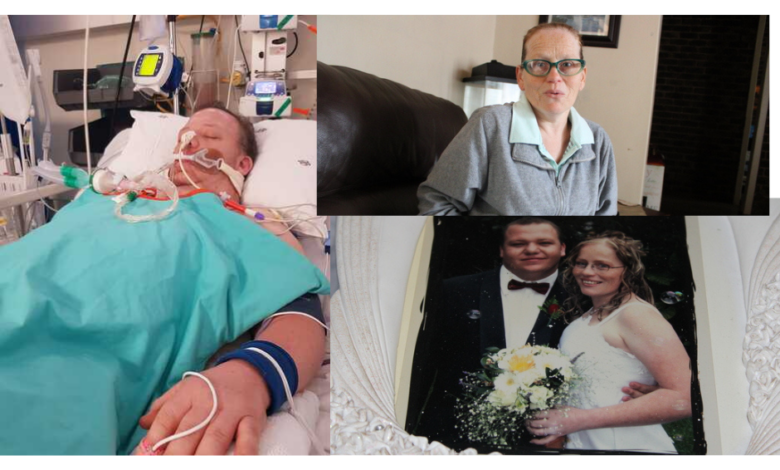
A family of a Pretoria man, who spent more than a month in the hospital because of both a seizure and a stroke, are buckling under the weight of R160 000 medical bills.
Lydiana resident Etienne van Dyk (41) suffered a seizure on the afternoon of September 12 while working in his home in the east of Pretoria.
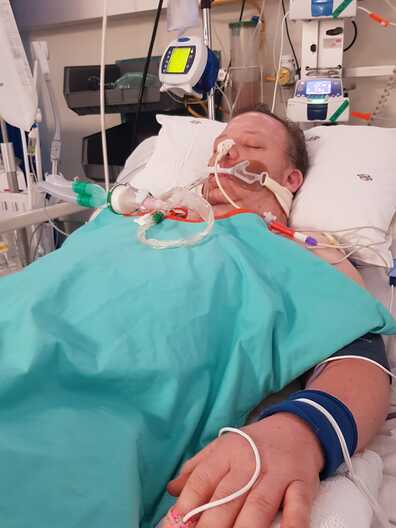
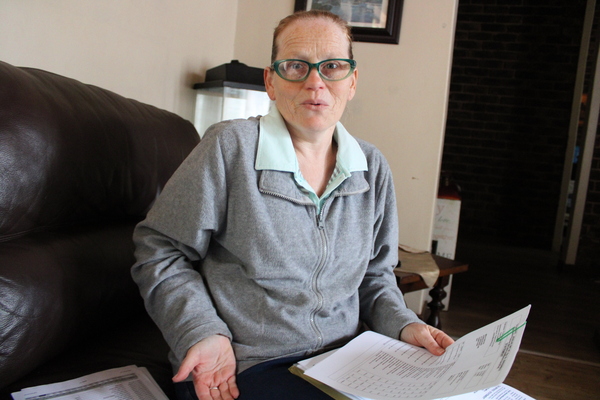
His wife Ashleigh told Rekord about the ordeal.
“It was an ordinary day. He was working from home and I was at the office.”
Then at 15:30, she said she received a call from her terrified helper that Etienne had had a seizure and was unresponsive.
“I rushed home. I noticed that though he was unresponsive when I mentioned my son Owen’s name, he would react.
“Paramedics had to resuscitate him, it was terrible,” Ashleigh said.
Etienne would spend more than a month in Pretoria east private hospital.
“He was in the ICU for nine days. I didn’t know if Etienne would make it out of the coma.
“I was trying to be strong for him, but I cried in the evenings when everyone else was sleeping. It was very stressful.”
She said Etienne had a battery of tests as specialists investigated the cause of his seizure.
He remained unconscious most of the time on a ventilator.
“He was later discharged, but on September 29 was back in casualty. Doctors suspected he had blood clots, but when they couldn’t find any and he was discharged,” she said.
Four days later, he had a stroke.
“I remember him saying in panic, ‘I am becoming paralysed, I cannot feel my legs’.”
Ashleigh said Etienne collapsed at the patio where she could not hide him from their 13-year-old son.
“I had to drag him to the couch and lifted his legs up until the ambulance came.”
She said he spent three days in the hospital and doctors determined the stroke was caused by blood clots.
A financial advisor said her husband needed a dietician, speech therapist and physiotherapist to aid his recovery.
He was discharged on October 9 under strict orders not to work.
“He is heavily medicated.”
The family’s medical bill came to more than R300 000, which Ashleigh’s medical aid did not cover in full.
“There were shortfalls. We currently have a R160 907 bill to pay,” she said.
“I was told that some of the doctors’ fees weren’t covered by the fund and I have to pay the shortfall.”
She said she couldn’t afford the bill, being the only employed person in the family.
Ashleigh said Etienne, who was a technician, lost his job in April 2020 during the Covid-19 outbreak.
After months of looking for a job, Etienne opened an auto mechanic business.
“I am struggling to make ends meet, taking care of a family of five and paying the medical bills while he can’t work,” she said.
The financial struggles were giving her sleepless nights, she said, appealing to the public for help with the bills.
“If there might be some angels that could assist in any way. Vouchers for food and electricity, grocery, cash. Whatever it could be, I will appreciate it.”
https://www.backabuddy.co.za/champion/project/ashleigh-van-dyk
“If a person would like to pay the accounts directly themselves they can do that, those who also want receipts and proof of payment I can gladly do that.”
Expert advice on strokes:
Netcare Milpark hospital neurologist Dr Ismail Moola said time was of the essence after a stroke, but too often people do not recognise the symptoms.
“Advances in stroke treatment can often prevent loss of life or limit the brain damage but clinical outcomes tend to be best when appropriate treatment is administered within the first few hours of a stroke,” he said.
“Nowadays, there is much we can do to reduce the severity of stroke damage, but it is crucial to get the person emergency medical assistance as soon as possible. Even a matter of minutes can make a big difference to the patient’s outcomes and survival,” he said.
Dr Moola said the following were symptoms of stroke:
– Sudden difficulty maintaining balance.
– Problems with vision, including loss of sight in one eye or blurry vision.
– Weak facial muscles often cause facial asymmetry as one side of the face starts to droop.
– Feeling weak in one or both arms or legs, numbness on one side of the body.
– Poor coordination or difficulty walking or standing up, usually on one side of the body.
– Slurring or using words incorrectly or an inability to speak.
Do you have more information about the story?
Please send us an email to editorial@rekord.co.za or phone us on 083 625 4114.
For free breaking and community news, visit Rekord’s websites: Rekord East
For more news and interesting articles, like Rekord on Facebook, follow us on Twitter or Instagram