What to do when you find a wild animal in need of help
Experts at Friends of Free Wildlife give advice about how to safely and carefully catch the animal, and about the first steps in taking care of it, especially in cases where there is a suspected injury or illness.
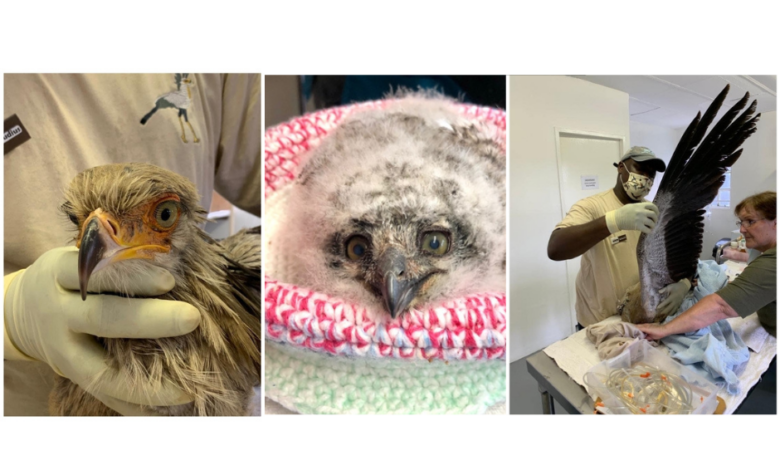
December often brings with it schedule changes as festive season celebrations and school holidays disrupt our usual day-to-day activities.
These disruptions, and the changes in weather as South Africa experiences the rainy summer months, could lead to encounters with wild animals in one of the most biodiverse countries in the world.
Rescuing and rehabilitating wild animals is an important job, and being prepared and speaking to professionals can make all the difference in a successful outcome for the little critter.
Rekord spoke to Wendy Brodie and Senior Animal manager Claudius Sibanda of the Friends of Free Wildlife centre in Kyalami about what to do when you think an animal needs rescuing.
Before doing anything, Brodie says it’s important to call an expert first. “Rather make the call than unnecessarily rescue an animal,” she said.
Experts can give you advice about how to safely and carefully catch the animal, and about the first steps in taking care of the animal, especially in cases where there is suspected injury or illness.
“Wildlife rehabilitators working at busy centres will know exactly how to advise the public and manage their concerns, and if necessary, passing the call on an expert in a particular field in their vast countrywide networks of animal rehabilitators.”
Certain information can be very helpful to rehabilitation experts once they take on the case. Brodie advises taking video footage or pictures of the animal and the surroundings you found it in, and thoroughly looking for any injuries or other animals.
“An SMS, a picture, even better, a video of the animal, its parents if possible, the area in which it has been found and as much information which may assist in its identification, injuries sustained and the situation in which the animal is found,” she said.
Experience at Friends of Free Wildlife has shown that the more information they have, the better the outcome of diagnosis and rehabilitation for the animal.
Fairly often, especially in the breeding season, rescue is not necessary. Some animals, even though it might make some people sad, will naturally look after themselves from very young.
Brodie explains many people bring in fledging baby birds, such as Lapwings and Thick Knees (dikkop). But these are capable of moving around on their own soon after hatching and will start self-feeding. The parents are often nearby – their fledglings just needing a day or two for their wings to strengthen.
“They belong on the ground and should not be picked up. Luckily they can be easily reunited with their parents.” She said that although many people believe the old-wives tale about touching young birds, birds will continue to care for their young even if they have been touched by a human.
Baby bucks and scrub hares are often ‘hidden away’ by their mothers who will return at feeding time. Well-meaning members of the public rescue these animals and they end up unnecessarily in rehabilitation.
Often wildlife become separated from their mothers, and just need to be reunited.
Bat pups, bush baby infants and tree squirrel kits sometimes “fall off” their mothers, but if left at the right place at the right time, the mother will always collect her little one.
Often there is an influx of rescued wildlife after serious weather events, firework displays as well as river and wetland pollution.
In these cases, keeping the animal calm, warm and dry is very important.
“Rescued animals need to be handled very gently and quietly using a cloth or towel draped over it to secure it. Put it in a secure container on a soft towel and keep it in a safe, quiet, warm place until a wildlife rehabilitator is located and advice given as to the next phase of rescue,” said Brodie.
Animals which have been successfully rehabilitated at the Friends of Free Wildlife centre in Kyalami are released back into their natural habitat as soon as the animal is healthy and able to carry on with their life in the wild.
“Every animal, no matter how small or unimportant, deserves to be rescued and cared for.”
Do you have more information about the story?
Please send us an email to editorial@rekord.co.za or phone us on 083 625 4114.
For free breaking and community news, visit Rekord’s websites: Rekord East
For more news and interesting articles, like Rekord on Facebook, follow us on Twitter or Instagram