Tshwane using too much water – Rand Water
Tshwane met with Rand Water at the weekend to determine how to restrict water flow to avoid the water dilemmas of October 2022.
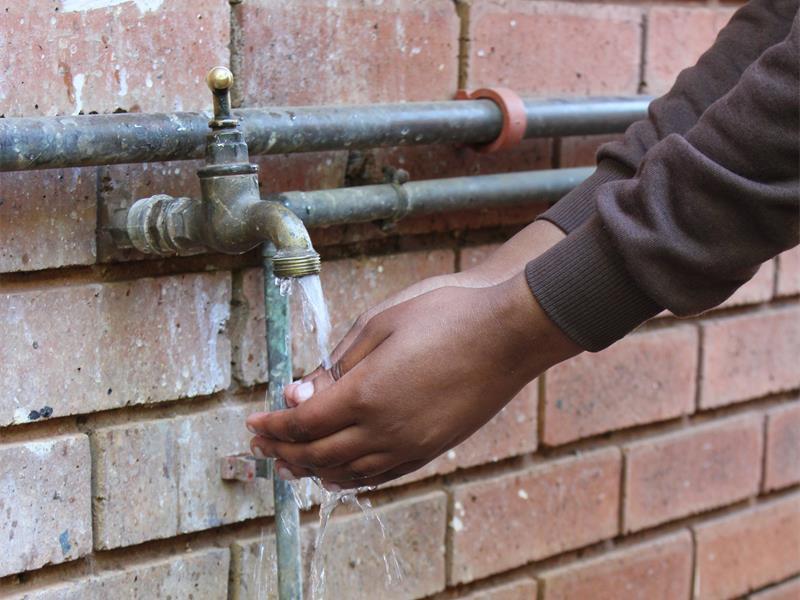
Water utility, Rand Water has warned that its reservoir levels are drastically declining due to high temperatures and water consumption in metros.
Tshwane utility services MMC Daryl Johnston said the decline had since led to water flow to Tshwane being throttled.
“While we have not yet implemented water restrictions, they will likely be necessary unless we can lower our water consumption.”
Johnston said on Saturday that Rand Water had notified Tshwane of its intention to control the flow of water to the municipality to reduce consumption.
“Tshwane met with Rand Water to determine how to restrict water flow, in the interim as we look at ways to decrease consumption.”
He cited increased water consumption in Gauteng as the major contributor to possible of water restrictions being implemented.
This comes at a time when the province has experienced high summer heat, with limited rainfall that possibly led to increased water consumption.
Load-shedding has also restricted the capacity of pumping water to reservoirs.
Johnston said the higher stages of load-shedding were presenting multiple challenges in Tshwane.
He warned that there was a further possibility of water outages, particularly in high-lying areas such as Laudium and Waterkloof Ridge, if load-shedding stage 6 continued.
“Much of Tshwane’s water and sanitation reticulation systems rely on electricity.
“Our water treatment works, and pump stations need electricity to operate. While we have reservoirs with storage to last through short interruptions, these reservoirs rely on a continuous flow to maintain [adequate supply] levels and readiness for outages.”
He said reservoirs were under significant pressure and water levels could slowly decreased to potentially run dry.
“We have tried as best as possible to exempt our water treatment works and key pump stations from load-shedding, where possible, to protect the water network and ensure that water keeps flowing, but it is not possible to exempt all the water network systems that require electricity.
At the moment we are asking residents for assistance to avoid this situation worsening. I realise this is difficult with the high temperatures, but we must work to avoid the challenges we experienced in October last year when the temperatures were not as high.
Tshwane’s water usage has increased beyond the agreed-upon limit.”
Johnston said there were areas that were struggling with water supply prior to flow restriction being forced on residents.
“Some areas are going without water supply for extended periods. The reduced flow from Rand Water will likely make things worse.”
Water has been off in Monument park for over 18 hours! It is 35° degrees today! Please fix this!
— Leigh-Ann Lubbe (@LALubbe) January 23, 2023
Day 4….but I can see your busy elsewhere…it's just water take your time… pic.twitter.com/794Uiel6a3
— William Tshabalala (@Father4Two) January 18, 2023
Can you please update us regarding the situation in Tshwane where suburbs have NO water and no communication is given in this regard? How is this acceptable?
— Nicolene de Bruin (@NicoleneMansfi6) January 23, 2023
Johnston pleaded with residents to make an effort to limit water usage before the metro faces restrictions.
“While we have not yet implemented water restrictions, they will likely be necessary unless we can lower our water consumption.”
The following can reduce water consumption:
– Limit watering your garden using a hose pipe or irrigation systems.
– Do not use a hosepipe to clean your driveway or patio.
– Do not use a hosepipe to wash your vehicle.
– Do not fill or top up your swimming pool.
Only run the washing machine and dishwasher when you have a full load #SaveWater pic.twitter.com/Bd53zZuQeS
— City of Tshwane (@CityTshwane) January 22, 2023
Do you have more information about the story?
Please send us an email to editorial@rekord.co.za or phone us on 083 625 4114.
For free breaking and community news, visit Rekord’s websites: Rekord East
For more news and interesting articles, like Rekord on Facebook, follow us on Twitter or Instagram