No salary increases for metro workers in next financial year, says Tshwane mayor
Finance MMC says there will be a tariff increase of 12% for residents on electricity, refuse collection, sanitation and property rates.
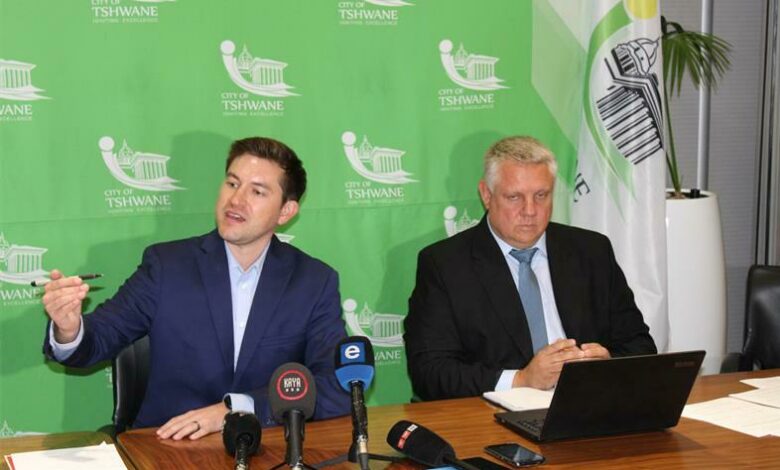
Tshwane mayor Cilliers Brink said previous salary increases to municipal permanent workers and councillors have drained the City’s finances.
“The City cannot provide salary increases as they might bankrupt the already limping metro,” Brink told the media on Monday.
He said workers and councillors will have to do without salary hikes the next financial year.
“We will not breach the agreement but we will invoke the clause of the collective bargaining that deals with exemptions,” Brink said.
Brink warned that the annual salary increases accumulate about 39% of the City’s budget.
“Rather, we have an agreement with the unions on this matter and channel all the funds to delivering services to the residents of Tshwane.”
According to Brink, the decision to not allocate budgets for salary hikes comes as a matter of urgency and necessity.
Brink said a partnership between the City and the private sector is key to securing the metro’s financial situation.
“We need to find independence in terms of energy supply and water in the city. We have to fund projects that will see our generation of electricity and stop depending on Eskom as their load-shedding causes the city a huge financial loss in revenue.
“We also need to let go of Rand Water and purify and distribute our own water.”
He said Tshwane’s reliance on only one service provider led to its failure to deliver services.
“Due to reliance we now overspend our revenue on water tankers, which are not in our plans.
“Services such as water tankers dig deep into our budgets,” he said.
“As a municipality, we must budget for bulk water and electricity supply, not the short-term costly solutions. I will engage with the Minister of Water and Sanitation to discuss the issues surrounding Rand Water.”
Brink said the City is in R4-billion arrears due to undisclosed transactions to PEU Capital Partners and Subsidiary Total Utility Management Systems.
“In the previous administration, the City entered into an irregular contract with PEU to provide smart meters in 2012.
“It was a big risk, which left the City financially constrained.
“A forensic investigation will be launched to determine the role of the previous chief financial officer.”
The City’s inability to pass its adjustment budget on Friday has left it vulnerable to being placed under administration again, Brink said.
He said strict revenue collection services are on the cards.
“We will be selling unused city property such as buildings and [underutilised] land. Wonderboom airport is also a liability we will try to sell off.”
Brink said the City would also fight the culture of late- and non-payments.
Finance MMC Peter Sutton said there will be a tariff increase of 12% for residents on electricity, refuse collection, sanitation and property rates.
“The metro must collect 93% of revenue; however, currently it is standing at around 63% in terms of ratepayers paying on time.”
Do you have more information about the story?
Please send us an email to editorial@rekord.co.za or phone us on 083 625 4114.
For free breaking and community news, visit Rekord’s websites: Rekord East
For more news and interesting articles, like Rekord on Facebook, follow us on Twitter or Instagram