Monkey attacked by hawk in Eldoraigne resident’s backyard
A keen Eldoraigne bird watcher caught an amazing moment of wildlife on camera when a hawk attacked a monkey in his own back garden.
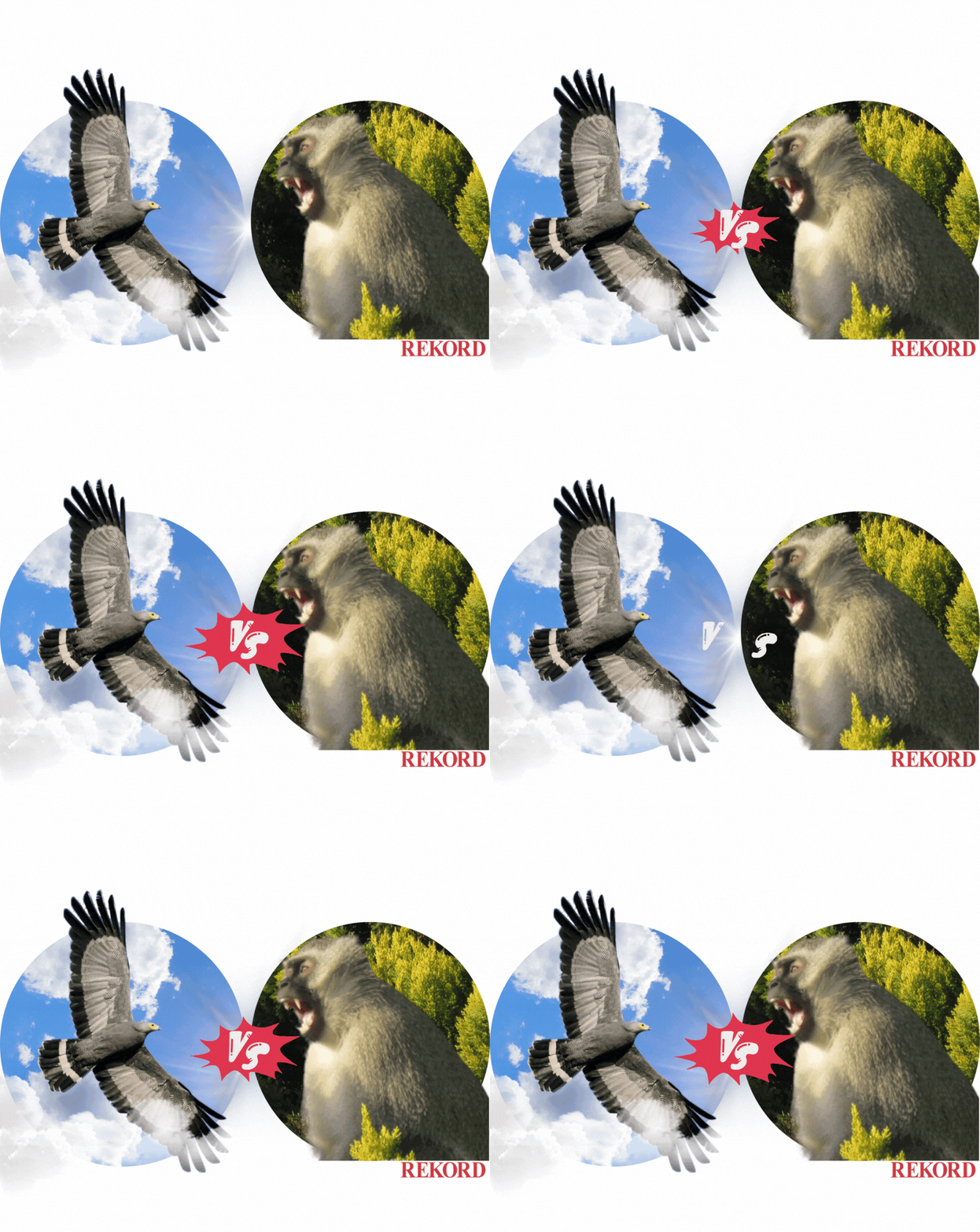
A keen Eldoraigne bird watcher caught an amazing moment of wildlife on camera when a hawk attacked a monkey in his own back garden.
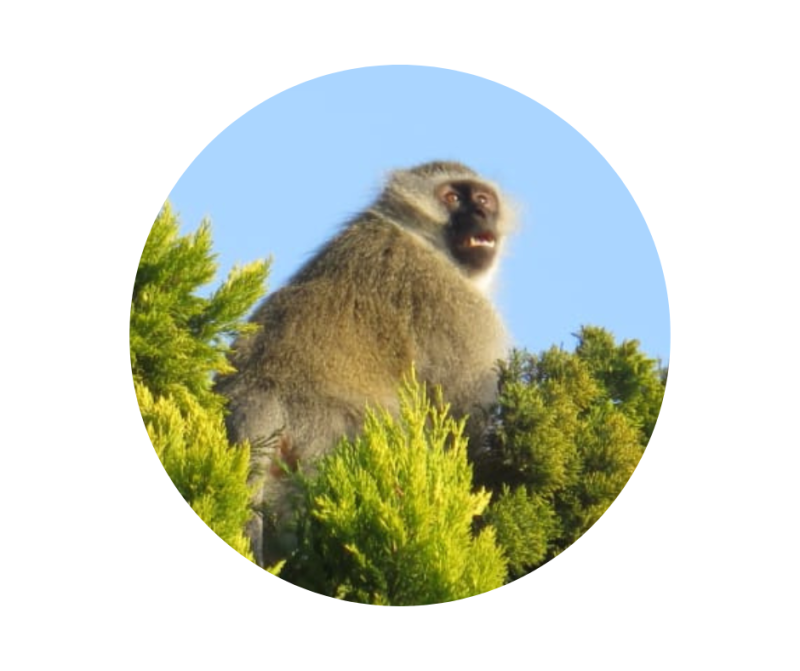
The resident was surprised when a single Vervet monkey appeared in his neighbourhood last week.
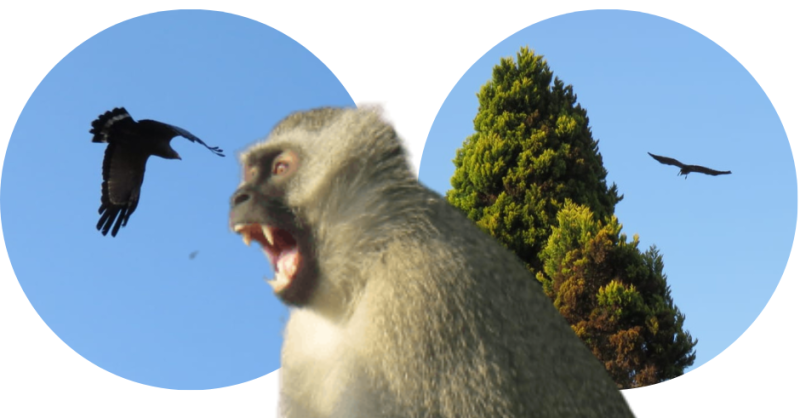
The sighting took a turn on Friday when the monkey was attacked by an African Harrier-Hawk, also known as a Gymnogene.
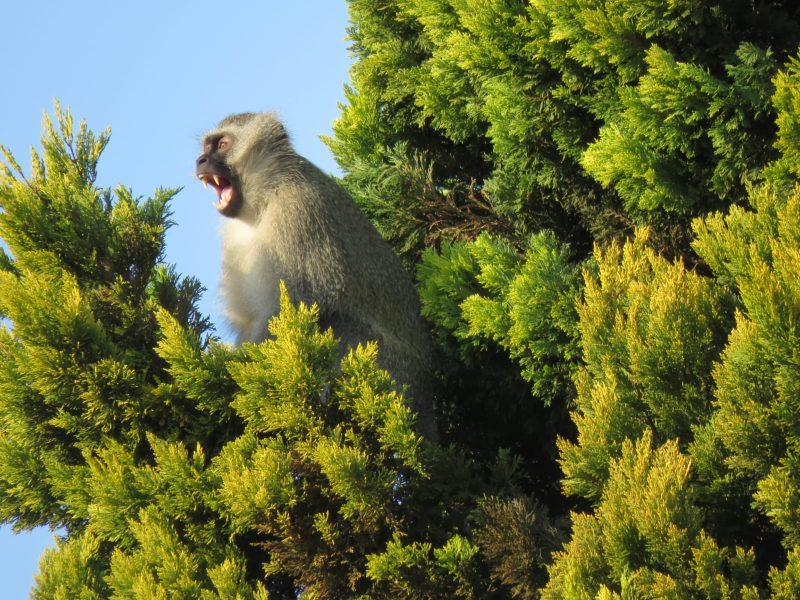
Since the incident, the monkey has not been seen by the resident, but ward councillor Cindy Billson said that the metro’s wildlife care services were contacted.
Hendrik Strampe is a keen birder and has been keenly watching wildlife in his neighbourhood.
“During Covid, there were some fantastic birds around. It was quiet, so there are a lot of birds and owls in our area. I got to see a black harrier hawk that sat in my garden.
“I’ve seen some other sparrow hawks, and we had an owl for a bit, but I haven’t seen it for a while, so I’m quite sad about that,” Strampe added.
“We even had fish eagles – they have moved from Swartkop to Rietvlei [nature reserve], but they are still in the area.
“The monkey is a first for us.”
Strampe said that he had first spotted the monkey near his house in Eldoraigne some days before it was attacked by the hawk.
“I saw it try to grab the monkey,” said Strampe.
“I thought the harrier hawk tried to catch it. The hawk is a big bird, but the monkey is a bit bigger.”
Strampe said that after the attack, the hawk circled the tree for about 10 minutes before it flew away leaving the distressed monkey behind.
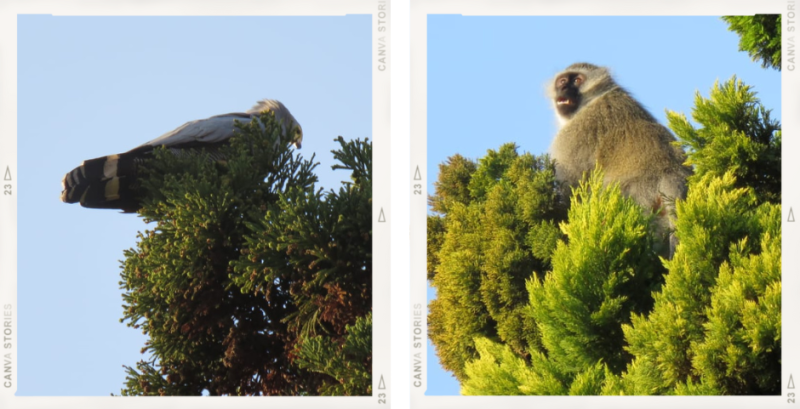
“It probably decided it couldn’t take the poor thing because it was too big.
“I was hoping because I’m a keen birder, that some eagles or something would come and I could see a proper kill, but that didn’t happen.”
The hawk can often be spotted in the area, Strampe told Rekord.
“There was a chick born about the middle of last year. I got some good pictures of it when it was still a juvenile.”

As for the monkey, Strampe said that he hadn’t seen it before and speculated that it could have come from a troop he knew of in Irene.
“From where I stay Eldoraigne to Irene is about 15km. So for that monkey to go from Irene to here is strange. It would have to cross major roads,” he said.
“My first impression is that the bird dropped it. Maybe the bird was flying with it and it was still alive so the bird dropped it.”
Wildlife rescue expert Claudius Sibanda, senior animal manager at Friends of Free Wildlife said that Strampe could be correct.
“They do hunt, and it could have carried it,” said Sibanda.
“It could have been hurt and suffered some sort of trauma or shock. The harrier could also have been in shock or stress because it is not usual for them to carry their prey very high. They would usually go into a high tree, or to an area they feel safer before they start eating.”
Sibanda said that it is not unusual to see monkeys in urban areas, although it was unexpected to see a vervet monkey alone.
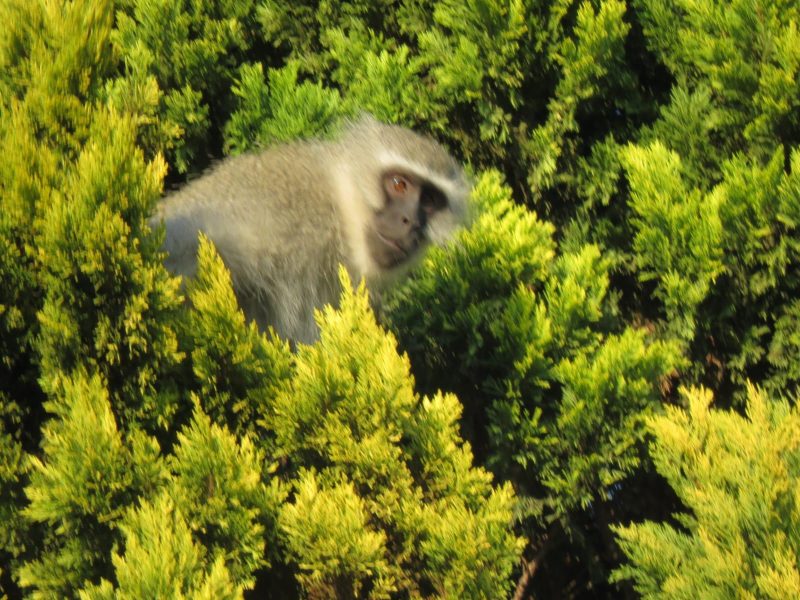
“The fact that the monkey was alone could mean that this happened. But sometimes you might find that a monkey that is attacked, injured, or is more submissive could be left out of the troop.”
He said that the outcast monkey might have made its way into the area, invading the hawk’s territory.
Wildlife in South African neighbourhoods is not unusual, and should mostly be left alone. However, Sibanda said that wildlife rescue specialists should be called if an animal is compromised, such as an injury.
“I think that this is something that should be welcomed and enjoyed,” said Sibanda.
Urbanisation is a threat to the diverse wildlife in South Africa, and Sibanda said that habitats can be disrupted by infrastructure development such as roads and the altering of delicate systems such as wetlands.
“But my worry about our wildlife as a nation is urbanisation where animals can be compromised in several different ways. For me, it’s a worry that we might end up with no animals.”
Do you have more information about the story?
Please send us an email to editorial@rekord.co.za or phone us on 083 625 4114.
For free breaking and community news, visit Rekord’s websites: Rekord East
For more news and interesting articles, like Rekord on Facebook, follow us on Twitter or Instagram