GP health opens clinics for marginalised groups
The Key Population Friendly Service Centre’s idealogy is to provide professional, socially conscious and caring services to marginalised groups in need.

The provincial health department recently launched a health centre for ostracized persons at the Skinner Street clinic in Pretoria.
The key population-friendly service centre’s idealogy is to provide professional, socially conscious and caring services to marginalised groups in need.
Key population, according to the department, refers to individuals from the LGBTQ+ community, people that use and inject drugs, female sex workers, and men that sleep with men and inmates.
The department said these groups are at the highest risk of contracting HIV/AIDS and its goal is to prevent that.
Gauteng MEC of Health and Wellness, Nomantu Nkomo Ralehoko along with various stakeholders from the department and community were in attendance for the launch in the CBD.
“Some officials don’t want to be part of an initiative such as this.
“That is the precise type of mindset that we wish to change amongst ourselves. Everyone deserves access to adequate and professional health services regardless of their sexual orientation, gender status or history of drug use,” said Nkomo Ralehoko.
VARIOUS DEPARTMENTS ATTEND LAUNCH
Other stakeholders in attendance included representatives of Access Chapter 2, the City of Tshwane’s health department, Wits RHI, TBHIVCARE, COSUP and The Aurum Insititute among many others. Acrobatics sessions were ongoing and attendees had access to free health screenings.
“Key populations are undermined and marginalised so we want to break down stigmas and stereotypes and encourage sensitive, evidence-based interventions. We hope to establish all these centres across all the districts,” Nkomo Ralehoko continued.
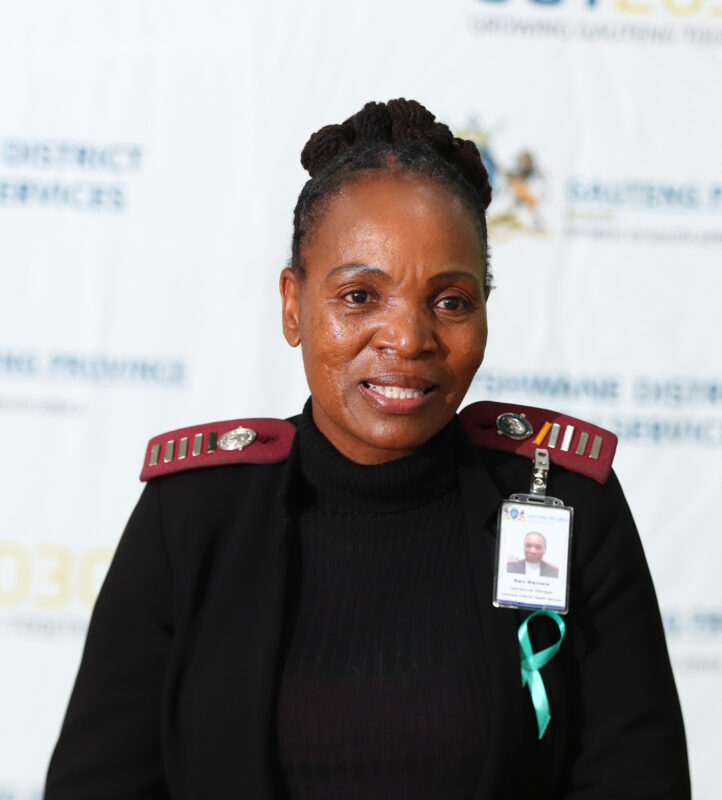
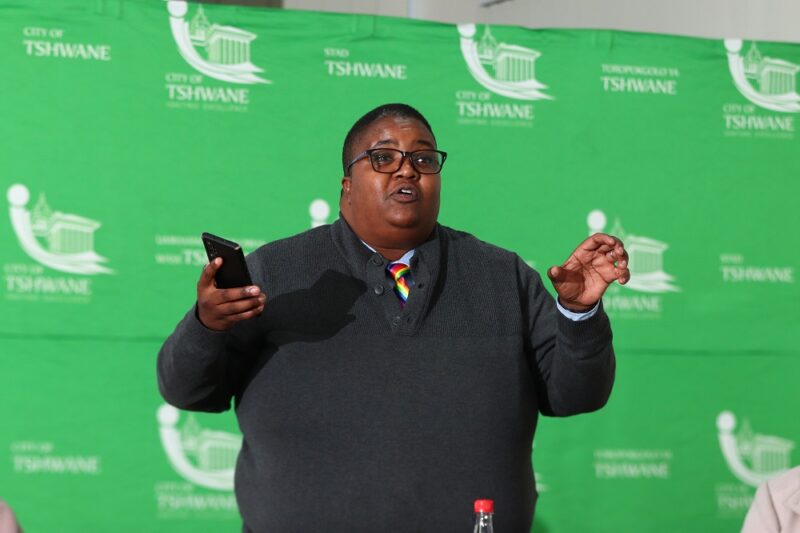
The facility will provide the following core interventions targeted to key populations:
– Condom, lubricant provision and education linkage
– HIV prevention package including behavioural interventions
– HIV testing, counselling, treatment and care
– Prevention and treatment for co-infections including viral hepatitis, TB and mental health conditions
– Sexual and reproductive health services
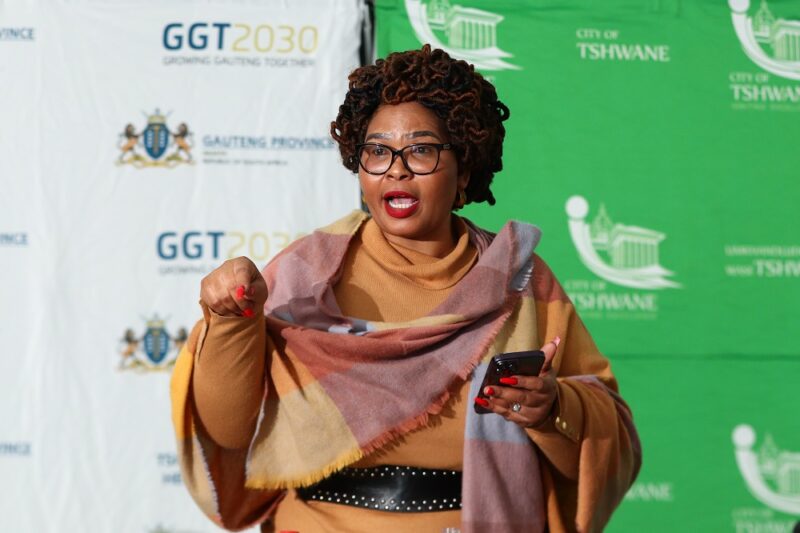
After the MEC’s address, stakeholders were given a chance to voice their grievances and thoughts on the centre.
Most recounted stories of discrimination they’ve faced in public hospitals and expressed great appreciation for centres of this nature.
Recovering addict, Thato, thanked the MEC for interventions which he says has helped him significantly in his road to recovery.
“When you are homeless you don’t feel accepted, at least at COSUP I know I can take a shower and access medication and other things that are available on the streets.”
“As drug addicts, we don’t get taken seriously in hospitals and clinics. I was recently sick and went to a clinic which I won’t name. When I finally saw a lady after a long wait, I began coughing up vomit during the check-up and was chased away,” Thato recounted.

Thato pleaded with the department to open more centres as he believes that a majority of users want to quit but don’t know how. Fellow recovering addicts, sex workers, transgendered individuals and members of the queer population also had the opportunity to raise their voices.
SEVERAL PARTIES FEEL DISCRIMINATED AGAINST
Many complaints included being discriminated against for their sexual preferences by hospital and clinic staff.
Parties said they were purposely misgendered, humiliated through unnecessary personal questions and even denied access to healthcare services.
Transgendered representatives of the Aurum Insititute also called for more sensitivity training for healthcare workers.
Representatives of COSUP said most of its homeless clients are denied healthcare services as they fail to provide an ID and proof of residence at a public healthcare facility, something the department says, is against the law.
A representative of the TBHIV care programme, Phumzile Ngomezulu said that the most common way HIV is spread among its clients is through the sharing of needles.
Peer educators and workers distribute sterilised needles to users in hopes of slowing down infections in the short term and offering a range of recovery tools in the long term.
The stakeholders were pleased with the day’s events as the afternoon of jubilation, health awareness and acceptance continued.
“Thank you to all the partners for their support, dedication and unwavering commitment to improving the health and well-being of key populations. Let us continue working together to create a world where every individual, regardless of their background, has equal access to quality healthcare,” Nkomo Ralehoko concluded.
ALSO READ: Boy (16) hit by bakkie in Monument Park
*Please note this article has been amended
Do you have more information about the story?
Please send us an email to editorial@rekord.co.za or phone us on 083 625 4114.
For free breaking and community news, visit Rekord’s websites: Rekord East
For more news and interesting articles, like Rekord on Facebook, follow us on Twitter or Instagram