Solar panel installations could be a risk if not done right
“An hour later, the power comes back on and it resulted in R1.9-million in damage as the house burnt down.”
South Africa has seen record levels of load-shedding this year, surpassing the total hours of blackouts for the entirety of 2022 by early May this year.
As residents grapple with the outages, many look to solar panel systems to reduce their reliance on Eskom’s ailing system.
Imagine installing an expensive solar operation to provide power on your property, only to have your property destroyed by a fire.
Tshwane emergency services spokesperson, Deputy-Chief Charles Mabaso, said that Tshwane firefighters responded to an incident earlier this year where the family alleged that the fire was caused by their solar system.
Mabaso said that Tshwane firefighters were concerned about the rise in fires resulting from lithium batteries that are part of solar panels reported globally.
Apart from incorrect installations, many property owners don’t consider the regulations which are in place said Mabaso.
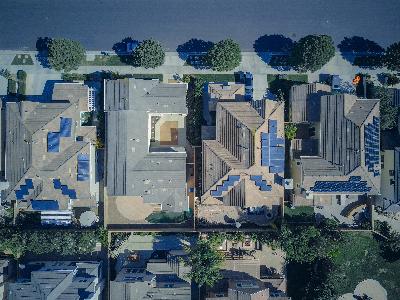
“Firefighters may need to do roof ventilation during firefighting. The ventilation helps to increase visibility for firefighters during structural firefighting and reduces smoke damage to valuables that may be salvaged during firefighting operations. It is, therefore, essential that the rooftop of a building be not completely covered by solar panels,” explained Mabaso.
Tarina Vlok, managing director of Elite Risk Acceptances, said that the risk of fires was one to be taken seriously.
“This is the very real risk property owners face if the installation of the solar power solution is not done per regulation and South African National Standards (SANS),” she said.
SA IMPORTS R3.6-billion worth of solar panels
In the first quarter of 2023, R3.6-billion of solar panels were imported to South Africa, which is almost as much as those imported during 2022.
Vlok said that this represents an estimated additional 1 000 megawatts of solar capacity.
She said that insurers have noted more fire-related claims because of incorrect installations.
Many property owners may be tempted to settle for affordable solutions and installers, without verifying credentials, which may prove a very expensive decision.
“For property owners, solar PV will likely increase the value of their property by three to eight percent, and make the property more attractive for potential buyers, not only for the uninterrupted supply of energy, but also in support of green energy solutions,” said Vlok.
Vlok provided these tips:
– Ensure your home’s roof is not damaged before installation and regularly maintain it after.
– Use an installer who is accredited by the South African Photovoltaic Industry Association’s (SAPVIA) PV GreenCard programme for solar installers.
– Buy the best quality solar panels you can afford.
– Get the required municipal approvals for solar systems. Accredited installers will assist with the process.
– Increase the sum insured on your building’s insurance to cater for the replacement of your solar system.
– Continue to manage your electricity usage and try to save wherever you can.
– For tenants, ensure a watertight addendum with landlords is signed to remove any backup utilities should they move.
– Keep all your invoices and remember to claim back your tax rebate.
ONLY REGISTERED PERSONS CAN INSTALL SOLAR
Braam van Emmenis, an Approved Inspection Authority (AIA) and owner of Midlek Consulting has 48 years of experience in the industry and said that he comes across incorrect installations daily.
Some properties have seen the roof collapse from the weight of the panels.
“Nobody is allowed to do a DIY system, only registered persons can do this.
“There’s a lot of people claiming to have green cards and such.
“But only installation electricians and master installation electricians should be doing this work,” Van Emmenis said.
“Some people will do the job, and then get someone to sign off on the CoC, but this is illegal. They can only sign off if they have been in general control of the site while it was in progress.
“I had a case four weeks ago where a guy installed a solar system. It wasn’t registered with a local authority, he didn’t adhere to the by-laws, and he didn’t adhere to the SANS rules. He commissioned it. He switched it on, it worked during load-shedding and he left.
“An hour later, the power comes back on and it resulted in R1.9-million in damage as the house burnt down.”
ALSO READ: Moot crime statistics show increase in robberies and hijackings
Do you have more information about the story?
Please send us an email to editorial@rekord.co.za or phone us on 083 625 4114.
For free breaking and community news, visit Rekord’s websites: Rekord East
For more news and interesting articles, like Rekord on Facebook, follow us on Twitter or Instagram