AG report: Tshwane metro can’t provide documents for major tenders
The metro could not provide supporting documents for the award of four tenders that amounted to almost a billion rand.
The Tshwane metro got another thumbs down from the Auditor General (AG) after it could not provide supporting documents for the awarding of four tenders that amounted to almost a billion rand.
It was one of three municipalities in South Africa that got an adverse audit opinion for the latest financial year.
According to the AG, the metro has insufficient staff within its asset management unit with the skills to carry out valuations on infrastructure assets – or the capacity to perform verifications of the entire asset base.
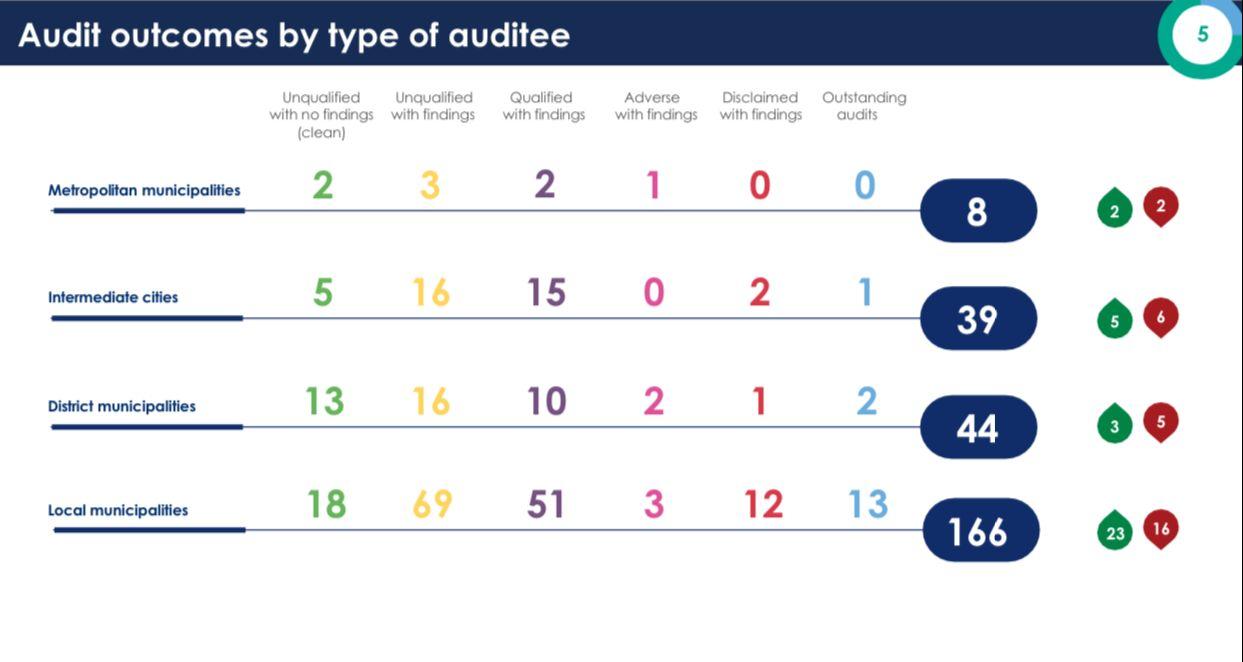
This came to light during AG Tsakani Maluleke’s briefing to the standing committee on the local government audit outcomes for the financial year 2021/22 in Cape Town on May 31.
The metro has for two consecutive years faced a worrisome financial position.
Despite the metro’s large budget, the AG found Tshwane to be the municipality with the most missing information for tender procurements.
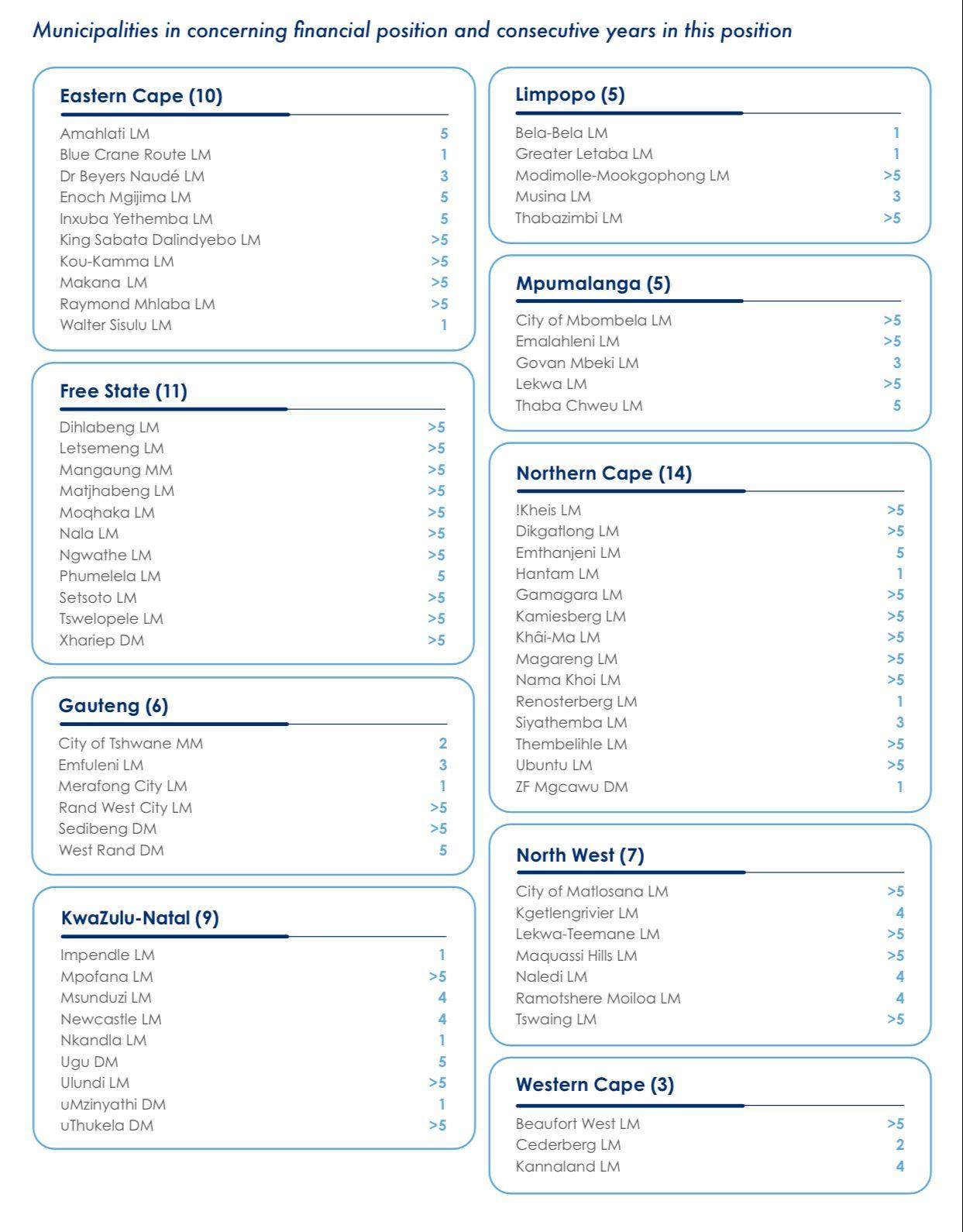
Tshwane has since been downgraded by Moody’s, affecting its ability to raise funding for capital expenditure.
The report covered 257 municipalities and 30 public entities functioning around the municipal space.
Maluleke said that if a municipality received an adverse audit opinion, it meant that it submitted financial statements that were unreliable and could not be used for oversight and decision-making.
“Tshwane spent R114.19-million on consultants to compile the metro’s fixed asset register by identifying assets not previously recorded as well as valuating assets.
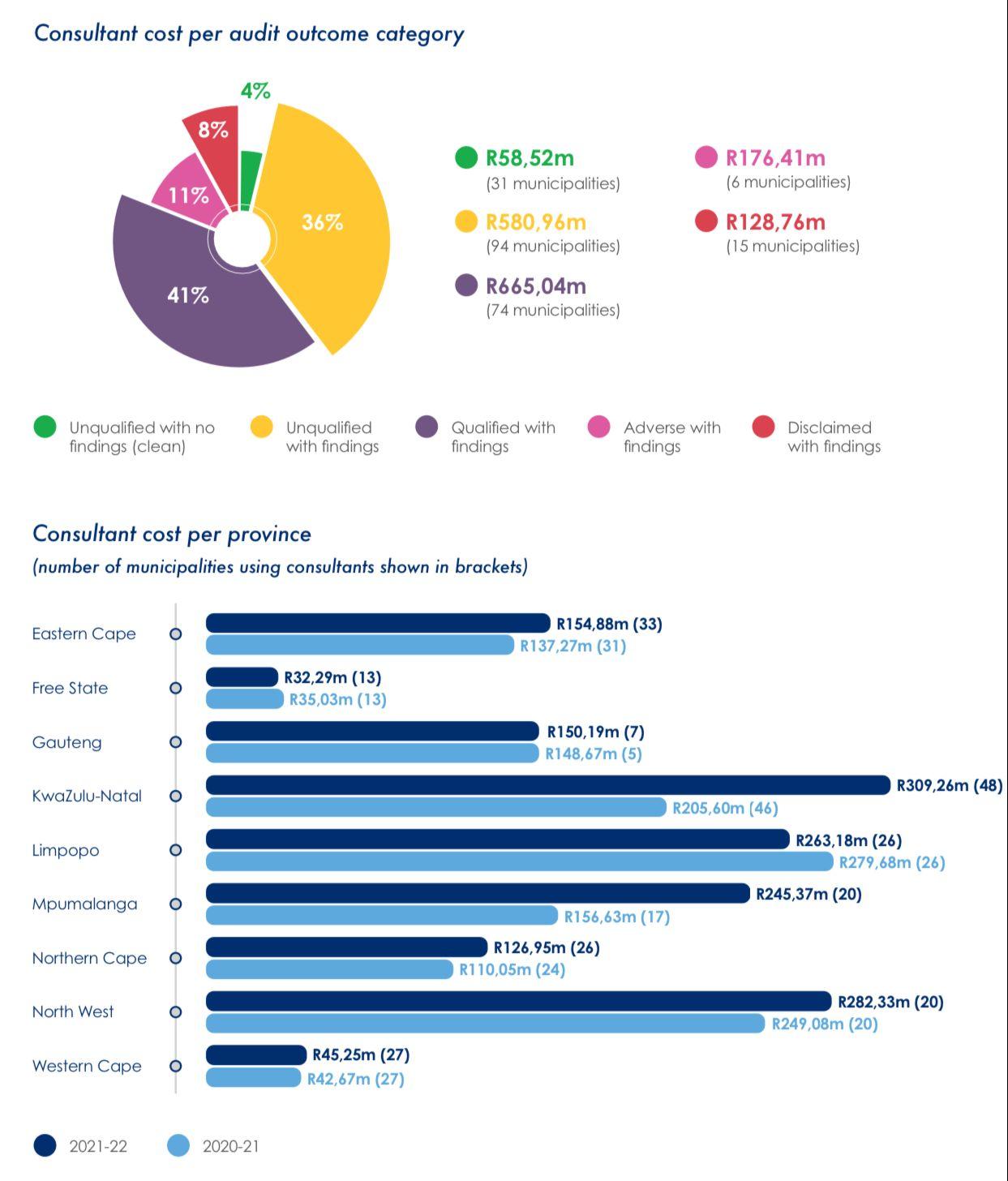
“Material misstatements were identified in the work performed by the consultants while delays in the project also resulted in the consultants’ contracts being extended.”
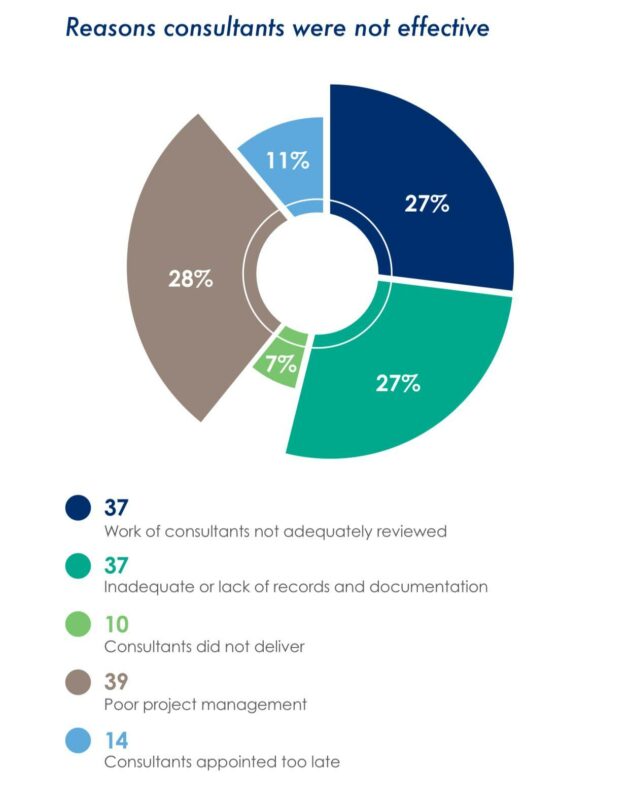
Maluleka said that while Tshwane made significant investments to implement and manage day-to-day business activities, the projects however continued to fail due to ineffective management.
The metro also spent money on software licences that they did not use.
“Projects were significantly delayed by poor planning, unfunded budgets and a lack of contract management disciplines. The delivery of housing projects in Fort West was delayed, resulting in the illegal occupation of completed units.”
ALSO READ: WATCH : Health MEC officially opens Key Population Friendly service centre in Tshwane
Do you have more information about the story?
Please send us an email to editorial@rekord.co.za or phone us on 083 625 4114.
For free breaking and community news, visit Rekord’s websites: Rekord East
For more news and interesting articles, like Rekord on Facebook, follow us on Twitter or Instagram