Tuks helps with humane alternatives to elephant culling
The University of Pretoria is helping pioneer science-based alternatives to elephant culling, with decades of research into immunocontraception forming the centrepiece of a campaign promoting humane wildlife management in South Africa.
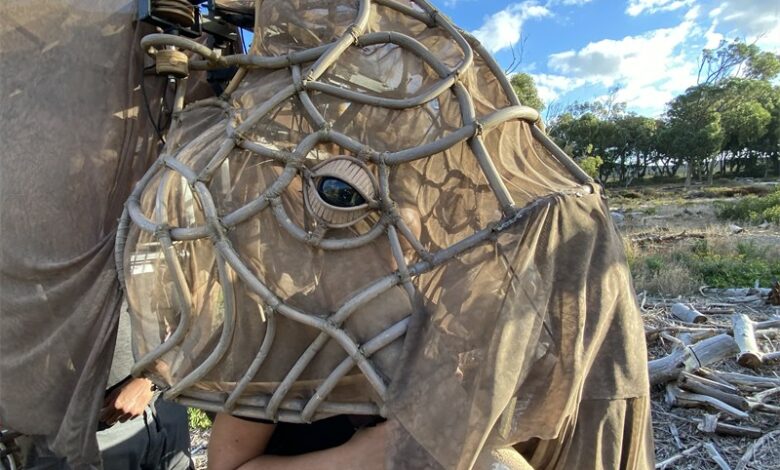
A new short film, The Seed Bearers Last Walk, featuring life-size elephant puppets is drawing attention to the debate over elephant population management in South Africa, while highlighting scientific alternatives to culling that have been developed with the support of the University of Pretoria (UP).
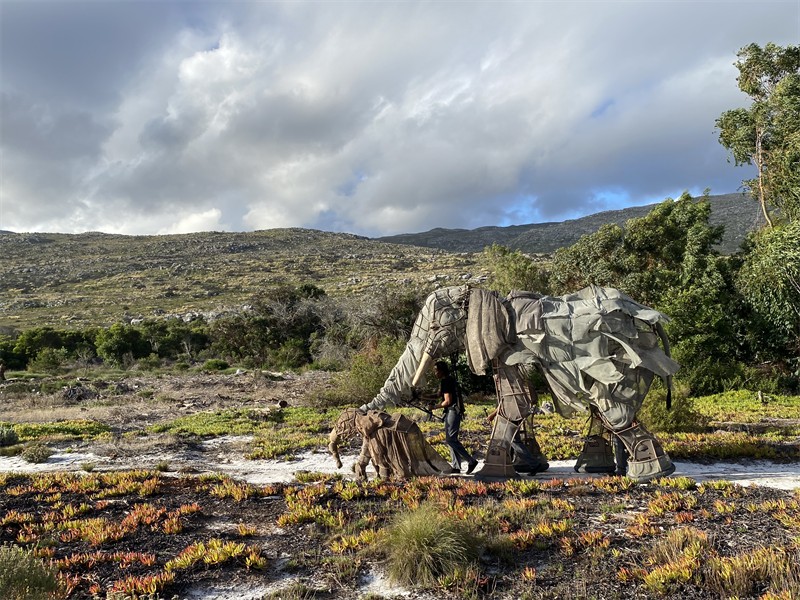
Commissioned and funded by Humane World for Animals South Africa, the film recreates the impact of a potential elephant cull through giant puppets filmed in the shrubland of Cape Point.
The production comes amid discussions by provincial and national governments about the possible culling of more than 2 000 elephants in the North West Parks’ Madikwe reserve and various KwaZulu-Natal game reserves because of overpopulation claims.
Rather than focusing on lethal population control, the campaign places emphasis on non-lethal solutions that researchers and conservationists say have already been successfully implemented in South Africa.
Central to those efforts is a long-running partnership between Humane World for Animals South Africa and the UP’s Veterinary Population Management Laboratory.
For the past 25 years, elephant biologist Dr Audrey Delsink, Senior Wildlife Director for Humane World for Animals South Africa, has led the organisation’s elephant immunocontraception programme in collaboration with the university and partner reserves.
According to the organisation, the programme has safely vaccinated more than 1 800 wild female elephants across 50 South African reserves, providing a science-based alternative to reducing elephant numbers through culling.
Humane World for Animals says immunocontraception, together with opening wildlife corridors for natural dispersal and expanding reserves to provide elephants with more space, offers effective and humane ways to manage elephant populations.
Dr Delsink said, “We are calling for a complete halt to the idea that elephants need to be mass culled in South Africa. Elephant numbers do need to be managed because their natural range has been vastly limited by humans, but the least we can do is approach this challenge with compassion and respect for their welfare, especially when humane alternatives exist.”
The organisation argues that scientific evidence supports non-lethal management strategies and that lethal options should be considered only as an absolute last resort.
“Through these giant puppets, we hope audiences will feel an emotional connection with these magnificent sentient beings who have their own intrinsic value. They are not simply numbers in a population management debate, but individuals whose lives have intrinsic value all their own,” said Delsink.
Humane World for Animals says current political discussions have raised the possibility of returning to large-scale elephant culling despite the availability of established alternatives.
It believes Parliament should instead address delays by provincial governments in implementing humane management strategies.
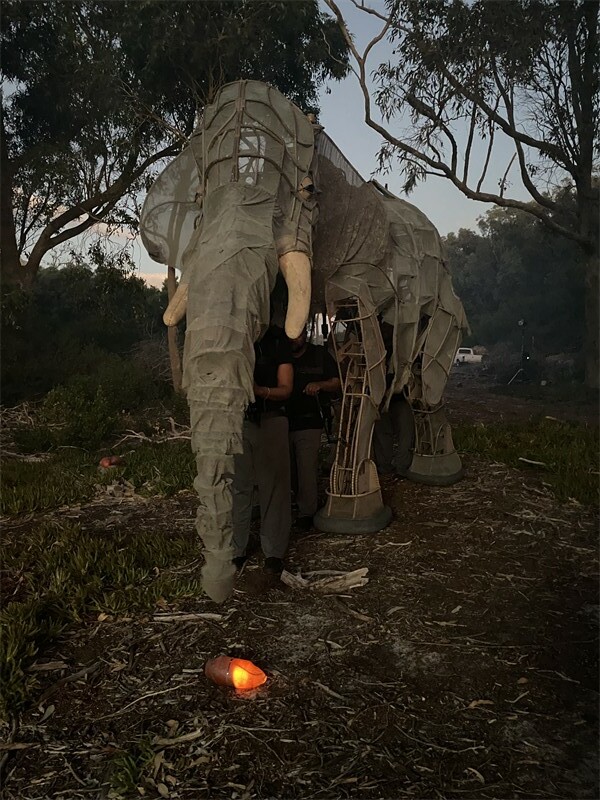
The film uses visual storytelling to reinforce that message. Two adult elephant puppets and a calf move through the landscape before recreating the panic and aftermath of a cull, illustrating what campaigners describe as the consequences of returning to lethal population management.
The puppets were designed by Adrian Kohler from Handspring Puppet Company and built by Ukwanda Puppets, comprising Sipho Ngxola, Luyanda Nogodlwana, Siphokazi Mpofu, and the late Ncedile Daki.
The collective is known for its work on productions including War Horse and The Herds, a climate-awareness project featuring hundreds of life-size animal puppets.
Seven puppeteers were required to operate the elephants during filming.
Puppeteer Siphokazi Mpofu said participating in the production was an opportunity to raise awareness about endangered elephants.
“Being part of raising awareness for the endangered elephants was incredibly meaningful for us. It gave us the opportunity to be a voice for those who cannot speak for themselves. The puppets have the unique power to make people stop, look, and connect emotionally. They are magical, spark conversations, inspire empathy, and remind us why protecting these magnificent animals matters,” said Mpofu.
Humane World for Animals says South Africa is home to about 44 000 elephants, with approximately 35 000 living in the Kruger National Park and the remainder in fenced reserves.
The organisation notes that the African savanna elephant is listed as endangered globally on the IUCN Red List and says habitat limitations, fenced reserves and human-wildlife conflict have increased the need for effective population management.
Delsink also pointed to South Africa’s history of elephant culling. A moratorium introduced in 1995 brought an end to large-scale culling after more than 14 500 elephants had been killed in the Kruger National Park before the ban.
Humane World for Animals says the partnership with UP demonstrates that practical alternatives to culling already exist and have been refined over decades through scientific research and field implementation. It believes expanding the use of these methods would allow elephant populations to be managed while reducing the need for lethal interventions.
The organisation hopes the short film shifts the conversation away from culling towards humane solutions that promote long-term coexistence between people and elephants through encouraging greater public support for science-based conservation.
– View the film here:
Do you have more information about the story?
Please send us an email to bennittb@rekord.co.za or phone us on 083 625 4114.
For free breaking and community news, visit Rekord’s websites: Rekord East
For more news and interesting articles, like Rekord on Facebook, follow us on Twitter or Instagram or TikTok or WhatsApp Channel