‘Adopt’ a traffic light today, the Tshwane metro asks residents
Companies and organisations can now partner with the Tshwane municipality to keep traffic lights working during load-shedding.
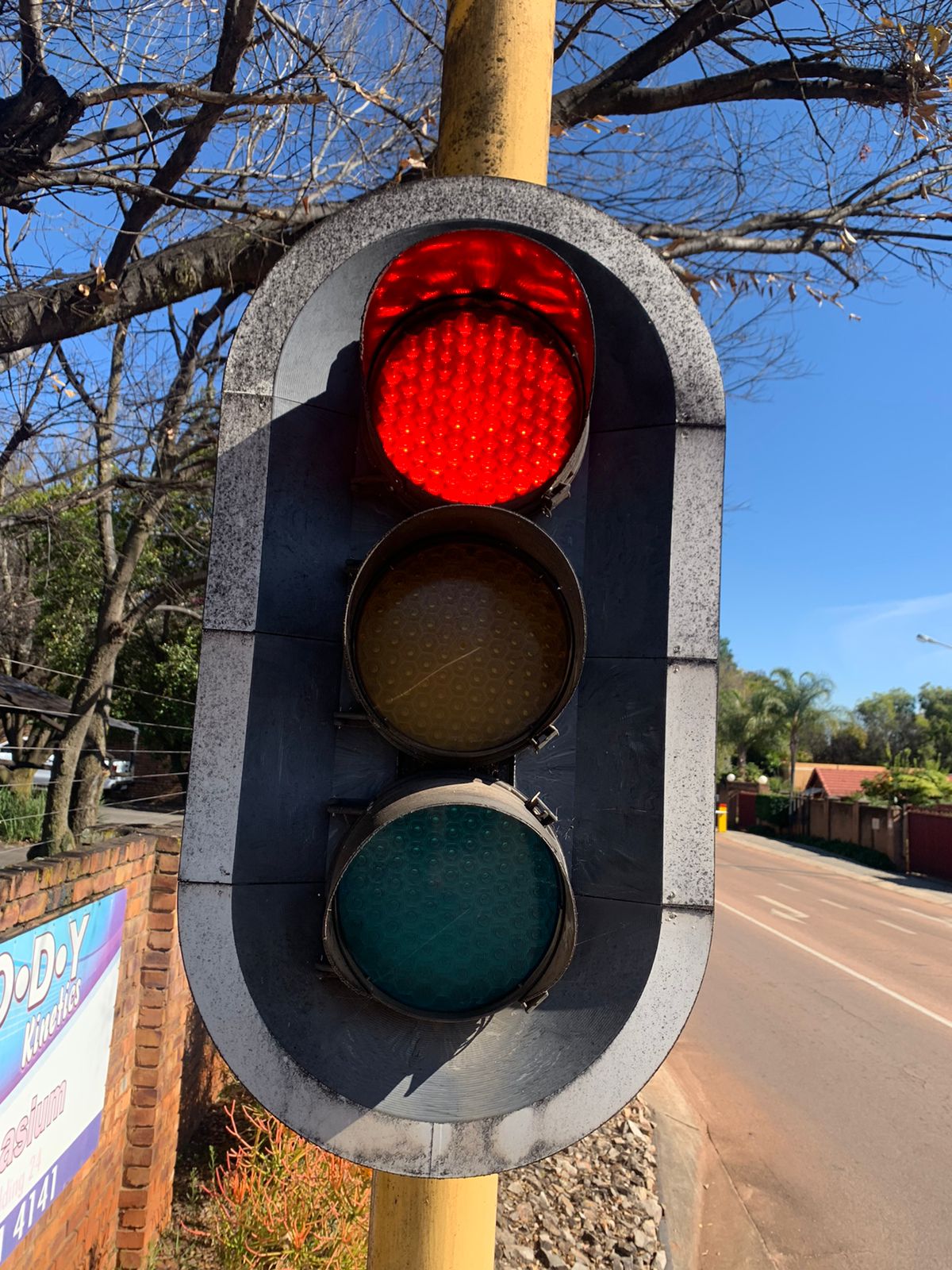
Driving around at night during load-shedding can be dangerous for Pretoria motorists, who have to cope with non-working traffic lights at various intersections.
Peak-hour traffic can also be a hassle as traffic lights go down across the city, causing congestion.
But now, there is a proverbial light at the end of the tunnel. This as companies and organisations can partner with the Tshwane municipality to “adopt” traffic lights at certain intersections and keep them going when there is load-shedding.
“Keeping the traffic lights going like this can cost less than R10 a day,” said Tshwane metro spokesperson Lindela Mashigo.
This was because all light bulbs are of the LED type, thus consuming minimal energy of between 200 and 300 Watts.
Mashigo said the initiative began in 2022 with 12 intersections live on a “proof-of-concept” basis.
He said the metro had been approached by various school governing bodies, shopping centres and businesses, asking permission to supply alternative power to traffic signals at adjacent signalised intersections “in case of load-shedding”.
He said the request was to supply power on a continuous basis.
“This stems from frustration and inconvenience on the side of such institutions and the community.”
The backup power required for the adoption was generators, solar power and UPS.
“Any institution is welcome to approach the metro with a request to supply power to a particular intersection or set of intersections – provided such technical specifications and conditions are met.”
Mashigo said the initiative would run on a case-by-case basis.
The Tshwane metro is responsible for about 1 100 electrified signals at intersections, and 12 intersections have already been “adopted” by various companies and organisations.
Twenty other intersections are still being investigated to see whether the metro can redirect energy supply away from the municipal grid.
In the east of Pretoria, two organisations that recently adopted signals said the metro did not always have enough traffic pointsmen to control traffic during rush hour at the Menlopark and Brooklyn intersections during load-shedding.
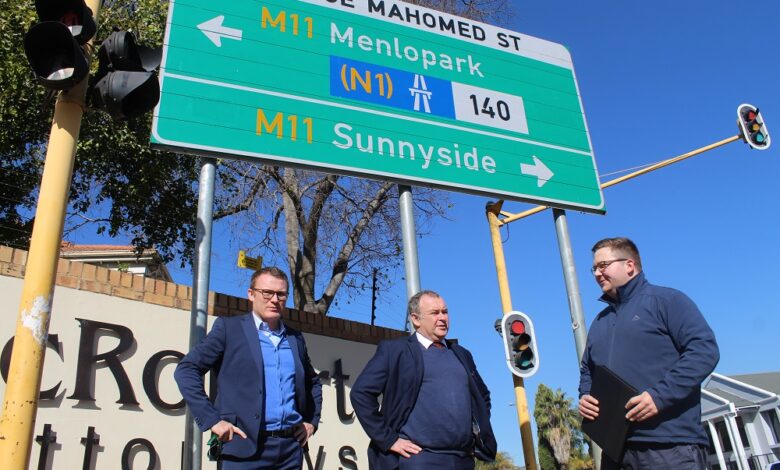
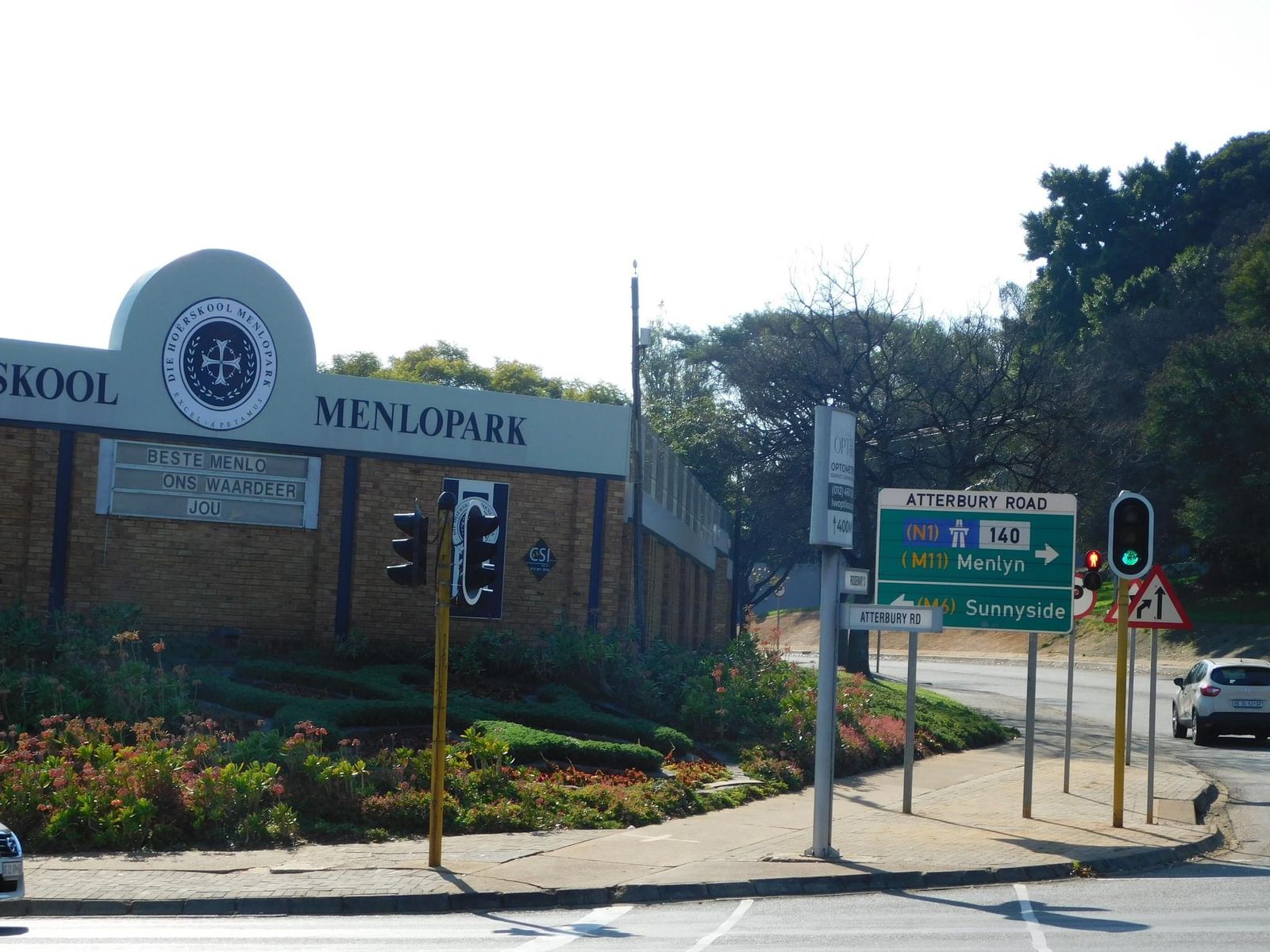
Die Hoërskool Menlo Park and law firm MacRobert’s have electrified traffic lights at intersections of Atterbury and Rosemary roads in Menlo Park and Justice Mahomed and Jan Shoba streets in Brooklyn.
Menlopark’s Manie Geldenhuys said the school applied for the adoption of the traffic lights due to safety concerns because the intersection was prone to accidents, especially late in the evenings.
He said the intersection was dangerous for pedestrians.
“It is a very dark intersection with many accidents occurring during load-shedding on Atterbury and Lynnwood roads. The cars come speeding as they approach the intersection.
“Menlopark learners frequently use the intersection. Thus, we had to ensure this crossing is safe at all times.”
MacRobert’s chairman Gerhardt van der Merwe said the firm adopted the traffic light as the intersection was quite busy.
“In the early mornings and late afternoons, the Justice Mahomed and Jan Shoba intersection was heavily congested. The route directs a lot of cross traffic, and power outages and load-shedding do not make commutes easier.
“There have been Outsurance pointsmen at times, but they are not servicing the area routinely.
“People have been impatient, and we have witnessed a couple of accidents.”
Practice manager Alwyn Dormehl said he often got stuck in traffic to and from work because of this intersection.
“We hope this programme could be widespread in Tshwane. There are private businesses in the city that can connect to intersections to help residents. The metro has been responsive in this initiative, plus it costs as much as running a TV.”
Ward 56 councillor Jarad Frimmel said MacRobert’s was the first business in his ward to pilot the project.
“The plan is now to approach residents and businesses close to traffic light intersections and alert them that the cost is minuscule – and would you like to participate?”
Frimmel encouraged residents to get on board with the project as Tshwane also suffered power outages outside of scheduled load-shedding.
“It is the municipality’s duty to power these traffic lights 24/7, but we often cannot do this. Thus, we are approaching the public for assistance.”
He said the metro had considered alternatives such as solar panels and batteries for the traffic lights. Theft of such alternative infrastructure was, however, a worry.
Tshwane mayor still plans to ditch Eskom
Do you have more information about the story?
Please send us an email to editorial@rekord.co.za or phone us on 083 625 4114.
For free breaking and community news, visit Rekord’s websites: Rekord East
For more news and interesting articles, like Rekord on Facebook, follow us on Twitter or Instagram