Tshwane residents celebrate World Cane Day
Blind residents call for better treatment from the community and government.
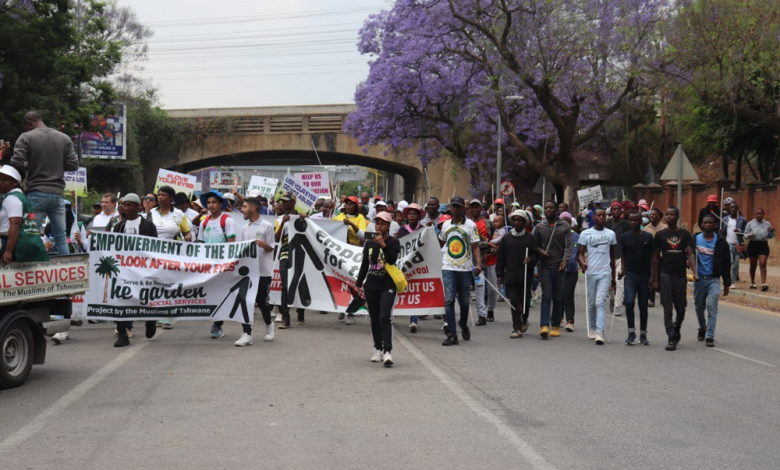
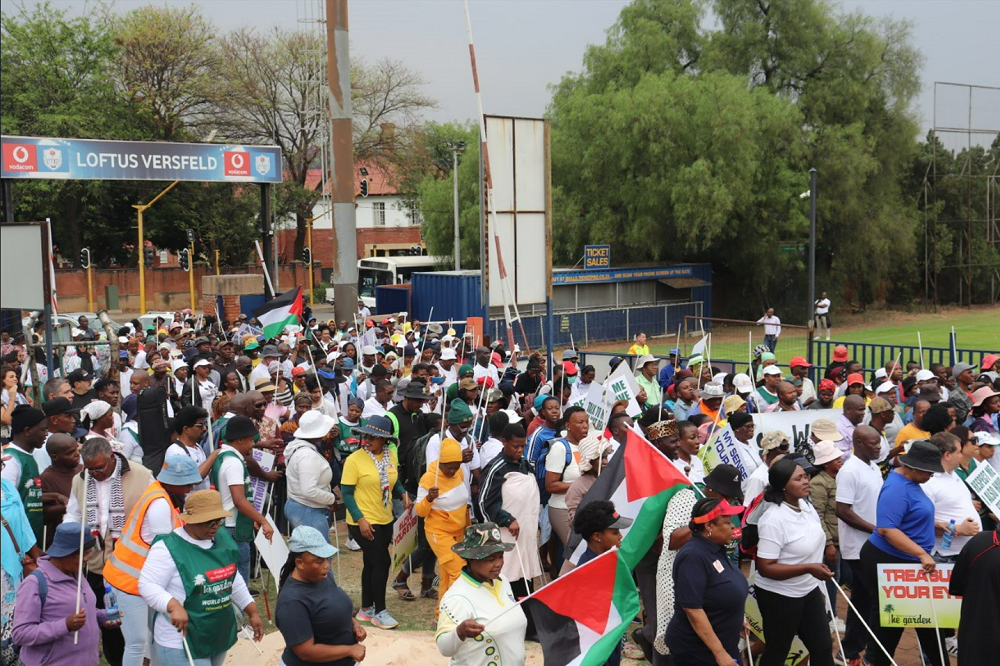
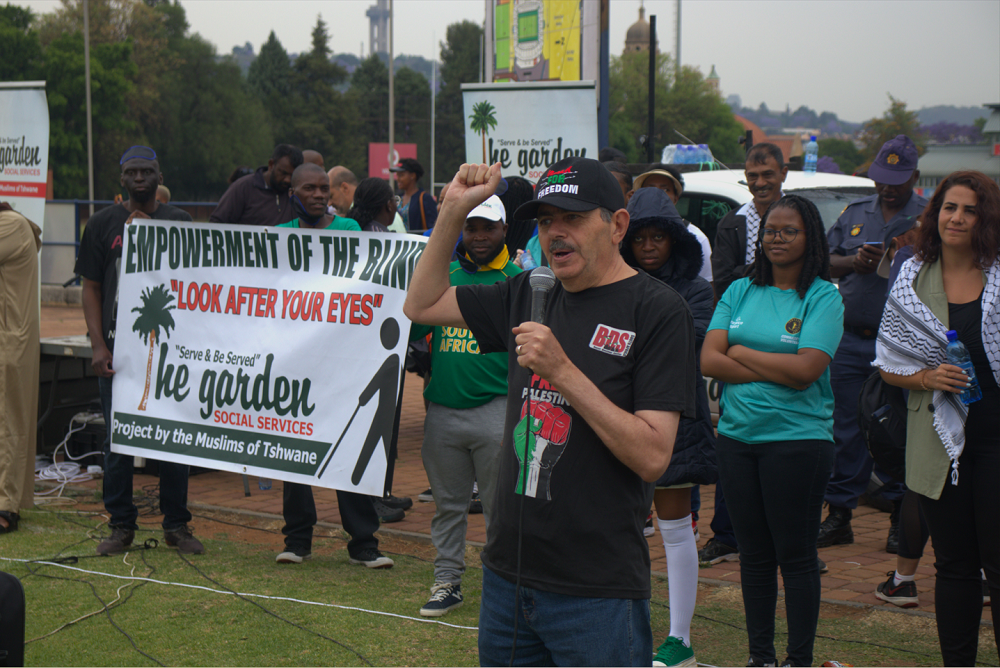
Hundreds of residents flocked to the Loftus stadium to commemorate World Cane Day ahead of World Sight Day this Thursday, and Eyecare Awareness Month as a whole.
The effort was hosted by The Garden Social Services and attended by many visually impaired people, residents, partners and city officials.
Attendees enjoyed a fun walk around Loftus, dancing and entertainment. They were addressed by officials and given food, fruit and sanitary packs as well.
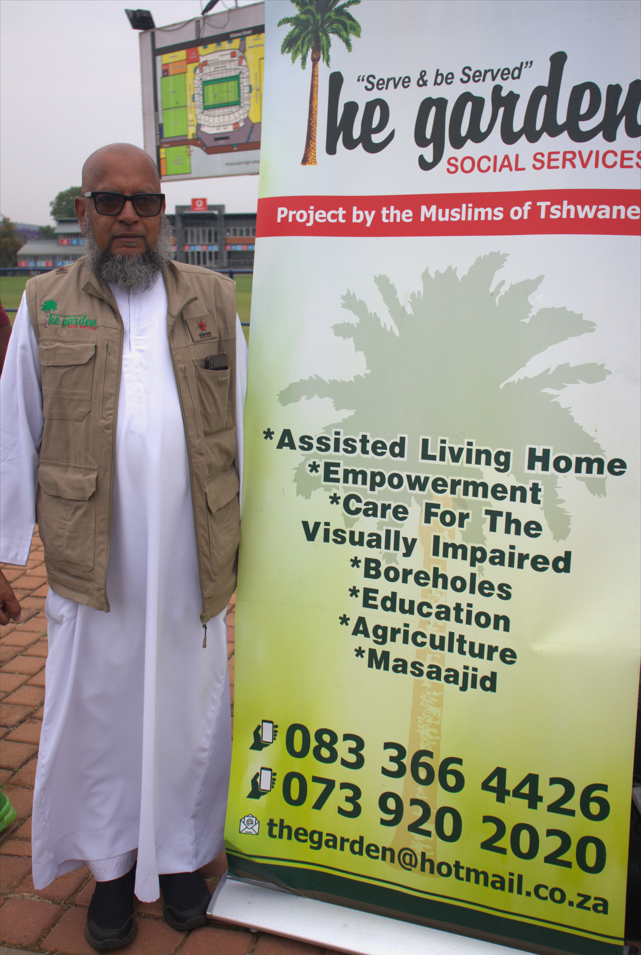
Garden founder and director Aboo Chouglay said the centre provides homes to the extremely marginalised group.
“Many don’t understand what it means to be blind, so events such as these do a lot in educating and creating awareness on the common struggles blind people go through,” Chouglay said.
Garden has 33 centres across the metro that specialise in assisting the visually impaired among others living with various disabilities.
“The problem our blind community faces is a lot of rejection. Poverty and starvation are also a big factor for a lot of the people we work with. We take the children that have been cast aside and build and nurture them to become leaders,” Chouglay added.
The three-year-old Garden Social Services offers educational programmes, feeding schemes, homes for the blind and visually impaired, and “plant and eat” initiatives among many more.
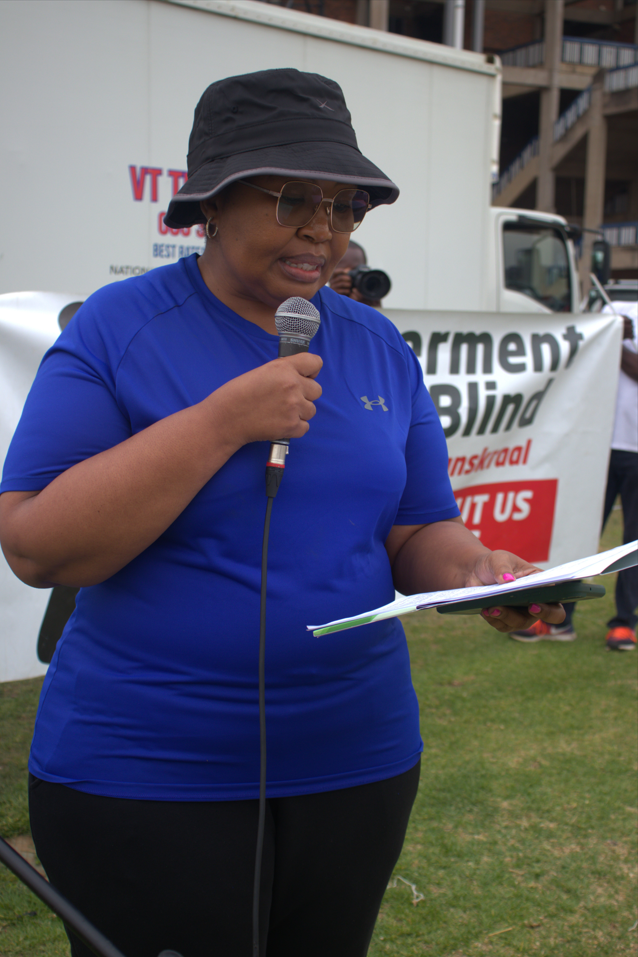
The day also served as the platform to kick off the metro’s October Transport Month. During her keynote address, MMC for roads and transport, Katlego Mathebe spoke of the advancements made to accommodate those living with visual disabilities.
“The cane is not only a symbol of being blind but a symbol of independence. We are proud to say that our city public transportation services are 100% accessible to all persons living with disability,” Mathebe said.
She said the tactile paving used at A Re Yeng and TBS stops for cane use and the red chairs were designated for the visually impaired.
Mathebe said the metro aims to be an example of a city that is inclusive and supportive of people living with disability.
The upgrades to assist residents living with disability at public transport nodes have been rolled out in the CBD, Montana and Groenkloof, among others.
The MMC addressed the ongoing disruption to public transportation services during the over two-month-long strike. The metro on previous occasions has tried to resume bus services though has reversed the decisions due to attacks.
“We are in communication with our security cluster comprising of crime intelligence, metro police and SAPS on the ongoing situation. As of now, we cannot resume services as we are informed that it is still not safe to do so and our main priority is the safety of passengers, drivers and the buses,” Mathebe said.
“We have noticed that when we announce the return of buses, violent incidents occur. We just thank God that no one was hurt on those occasions. We understand the frustration of the residents but we cannot ignore our security cluster when it advises not to resume public transportation. We apologise to the more than 30 000 commuters that use A Re Yeng and TBS buses.”
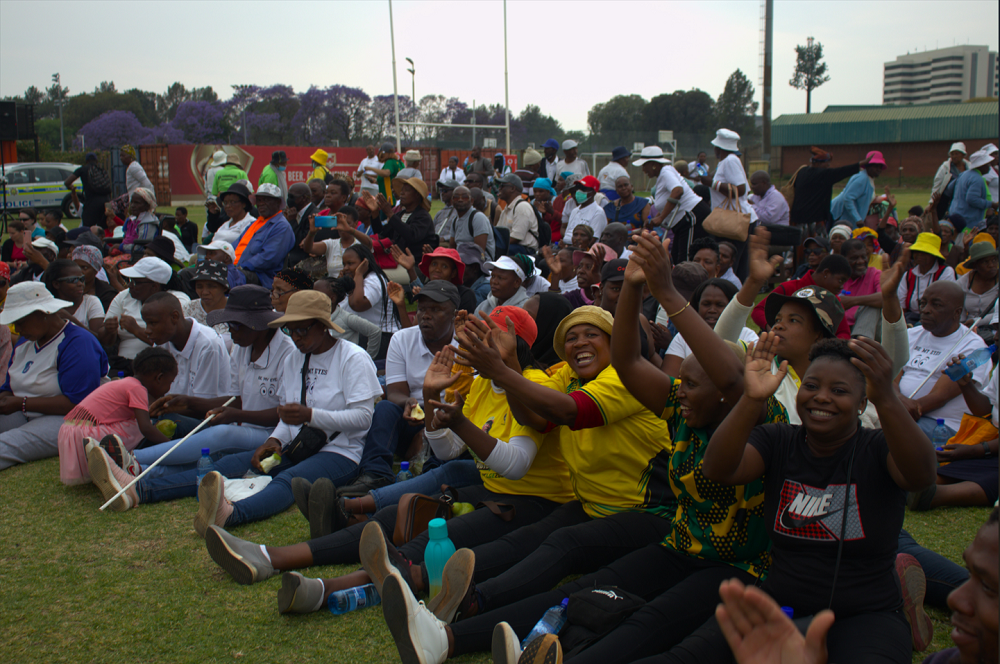
Mathebe called on residents to treat their fellow community members living with disability with more care and tolerance as their condition does not make them any less human.
“The most important thing is respect. They are whole beings, no different from you and me. We as able-bodied people must learn to be patient, mindful and tolerant of people living with disability. Whether crossing the street or waiting in line, no matter the circumstance, always show respect and patience,” Mathebe said.
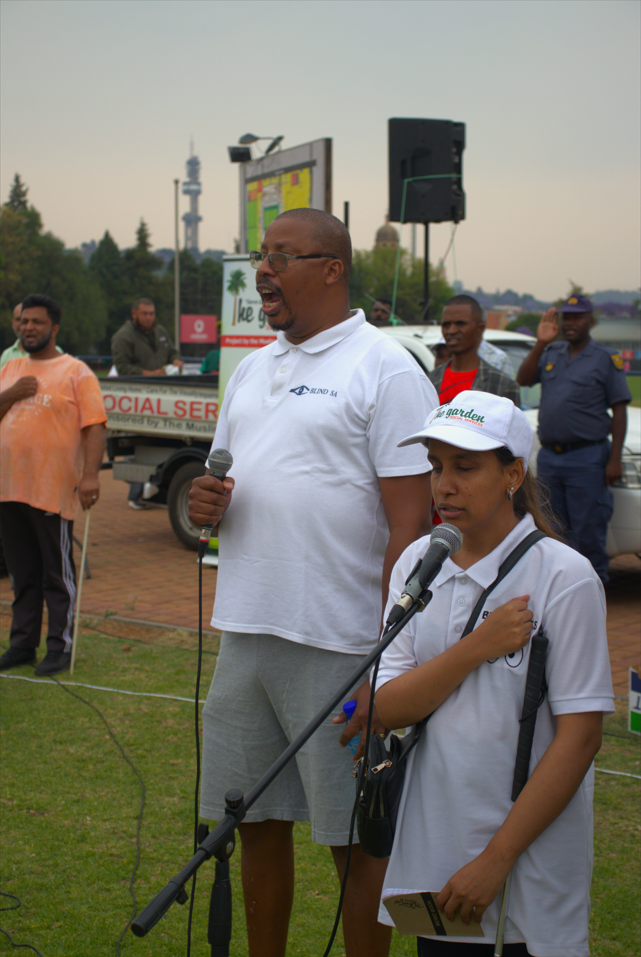
Blind SA representative Ofense Manyane echoed the cries of the blind community for the strike to come to an end as it is affecting their lives negatively.
“We want to ask Tshwane to come up with a solution that will end the strike as soon as possible. The streets are filthy, and for us as blind people, we cannot move freely. Inclusivity and accessibility means clean streets and environments for all of us to get around,” Manyane said.
Manyane said that as the custodian for blind people in South Africa, BlindSA saw it fit to be part of such an initiative and aims to continue to do so and support where it can. Manyane also said that transport accessibility in townships also remains a main concern for blind people.
“We acknowledge what the government is doing regarding transportation but for a blind person staying in Mabopane, Ga-Rankuwa, or Sosha, there’s no access to transport. We’ve been using Putco buses and taxis. It’s only when we are in town that transport is more accessible for the blind, not when we’re at home,” Manyane said.
Programme director and Garden ambassador Haymoona Chouglay, said that more education is needed regarding how to treat visually impaired people.
“If I’m working, people will talk to the person that’s walking with me instead of me like I’m not there,” Haymoona said.
Haymoona is Chouglay’s daughter and social worker who lives in Erasmia but works in the CBD. She said in more than 10 years working with the government and being a blind resident of Tshwane, the advancements that have been claimed do little to help her cope with the day-to-day challenges of being blind in the metro.
“If I’m walking down the street and you would like to help me, ask first. You may not know that I’m familiar with my surroundings. Don’t just grab my cane and direct me, the stick is an extension of me,” Haymoona said.
She also said more needs to be done to supply the blind and visually impaired with canes as they are expensive and imported.
“Most members of the blind community live on government grants, which isn’t enough.
I don’t walk by myself especially in the city centre, around Lilian Ngoyi and other CBD areas. The pavements are terrible and I need help. People also like to ignore you and only speak to the person you’re with instead of with you, even if you try talking to them,” Haymoona said.
Blind Mabopane resident Masego Lekgetho said clinic staff need sensitivity training on dealing with blind people. According to her, every time she visits a clinic she’s met with rude and ignorant staff.
“When you enter the clinic, they will ask you all sorts of uncomfortable questions and when you go by yourself they’ll ask where’s the person that’s supposed to be accompanying you? Like I’m not allowed to go to the clinic myself,” she said.
Lekgetho said it is still a challenge to deal with the stigma from her community regarding being blind. She said the condition is still associated with witchcraft and all sorts of disparaging stereotypes.
“The most important issue I want to emphasise is the healthcare facilities. The nurses need to be trained in dealing with the blind, some are just rude and say nasty/uncomfortable things to us,” she said.
She reiterated the sentiments of Haymoona saying residents should ask before assisting a blind person and educate themselves more on how to respectfully treat the blind.
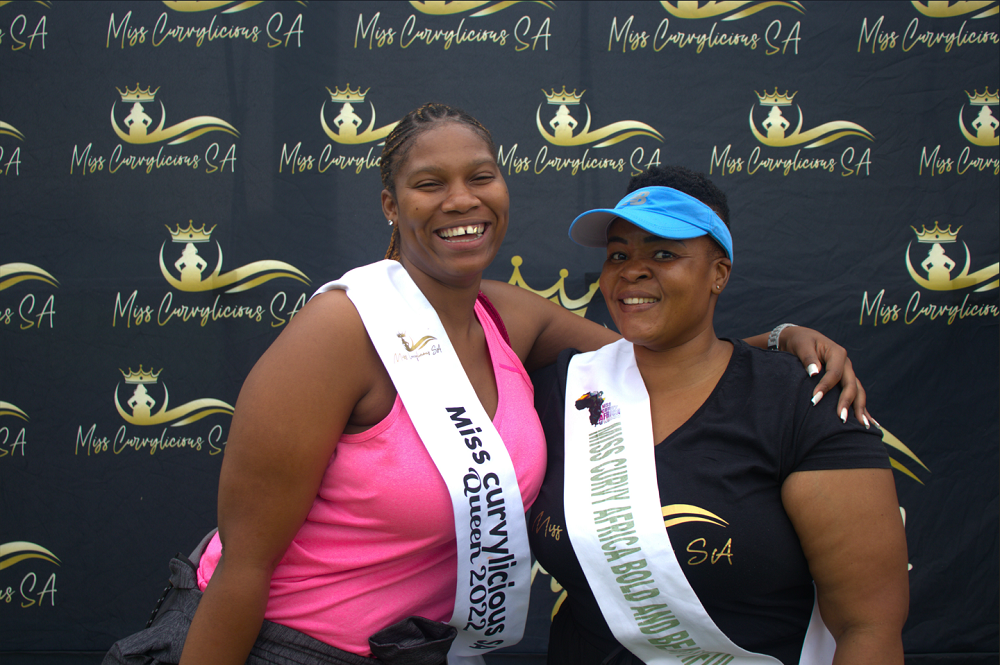
MMC for social development Peggy de Bruin said it shouldn’t only be on World Cane Day that blind residents are acknowledged and assisted but every day.
“We deal with blind people and people living with disability every day, the department even has a unit that specialises in that,” De Bruin said.
For more information on The Garden Social Services, email to thegarden@hotmail.com or dial 083 366 4426/073 920 20
.
Do you have more information about the story?
Please send us an email to editorial@rekord.co.za or phone us on 083 625 4114.
For free breaking and community news, visit Rekord’s websites: Rekord East
For more news and interesting articles, like Rekord on Facebook, follow us on Twitter or Instagram