Food safety inspections address the over R16m lost to Tshwane’s illegal spaza shops
Tshwane residents have been encouraged to report suspicious food outlets to the Municipal Health Service offices at the Sammy Marks Building in Pretoria for immediate action.
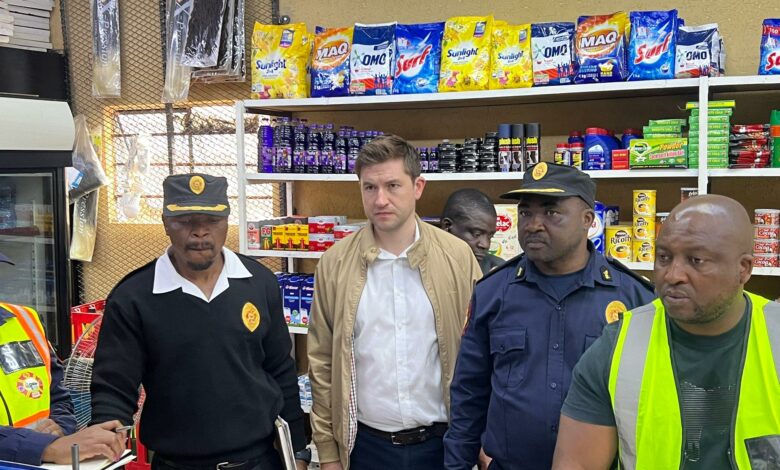
It is estimated that Tshwane loses over R6-million in business fees and over R10-million in illegal connections to 2 000 spaza shops operating in the metro illegally.
During recent inspections, the metro, teams from the health department, police and home affairs’ immigration section and correctional services found spaza shops were selling food products with incorrect labelling, displaying poor general housekeeping and lacking compliance certificates.
[WATCH] Our teams have closed one spaza shop in Theresa Park for poor hygiene. The owner sleeps in the same spaza shop along with the goods that are supposed to be sold to our people. @CityTshwane pic.twitter.com/yKKgr5pWmj
— Mayor Cilliers Brink (@tshwane_mayor) October 17, 2023
To make sure businesses comply, the metro has established long-term operations focused on enforcing business compliance:
– Municipal Health Services (MHS) officials will look into business licences and building compliance of the spaza shops.
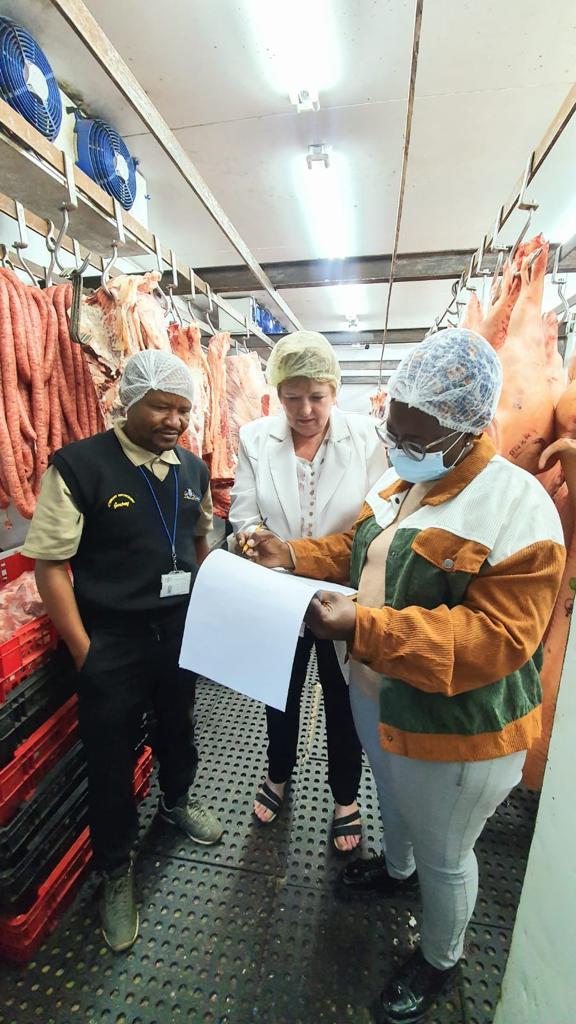
– Health inspectors have been deployed to verify the validity of operational licences and adherence to municipal by-laws, hygienic handling of food on the premises, and to look into how food was being protected against spoilage and contamination.
The inspections aim at auditing spaza shops and other informal food outlets in Tshwane.
Spokesperson Lindela Mashigo said the metro undertook regular informal trading by-law compliance campaigns, to address challenges and risks in the food sector.
Recently, food poisoning came under the spotlight, when 22 learners from Tlotlompho Primary in Ga-Rankuwa and 40 from Reimolotswe Primary in Winterveldt were rushed to local medical facilities.
They allegedly consumed snacks bought from different hawkers and vendors near the school.
Learners started complaining of pain after consuming the snacks and experienced symptoms like vomiting, diarrhoea, abdominal cramps and shortness of breath.
Only four were transferred to hospital.
Mashigo said to address food safety concerns, environmental health practitioners (EHPs) were embarking on routine inspections at spaza shops.
He said regulated, high-risk premises would be inspected once per quarter, and low-risk premises once a year.
“The EHPs adhere to these legislative norms and standards as they relate to only known formal and informal premises.”
“It is estimated there are almost 2 000 illegal spaza shops within the metro.”
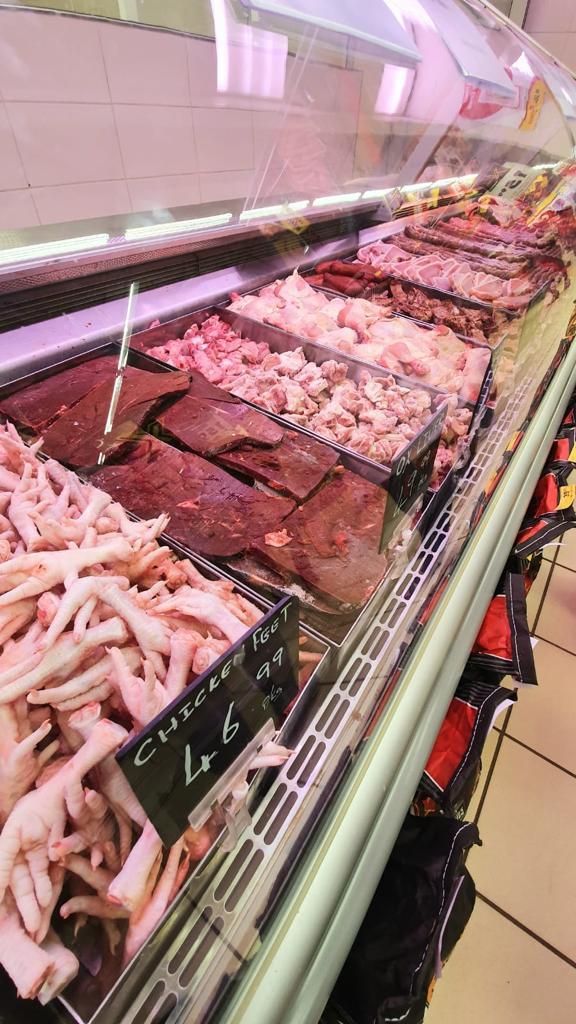
Tshwane’s recent inspections of food premises found these transgressions:
– operating without a Certificate of Acceptability (COA) issued by the Department of Health.
– selling food products with incorrect labelling.
– poor general housekeeping: A spaza shop in Theresapark, Pretoria north operated in poor hygienic conditions. Inspection found evidence that the owner slept in the spaza shop, along with the goods.
– Not adhering to monitoring expiry dates, sell-by dates and best-before dates.
Check for any smudges or possible blurring on the best before date #TshwaneFoodSafety pic.twitter.com/TOMupoLAE2
— City of Tshwane (@CityTshwane) October 24, 2023
The safety risk associated with the consumption of illicit food is concerning. We will make sure that the perpetrators are brought to justice #TshwaneFoodSatefy pic.twitter.com/6AmRbfPUYM
— City of Tshwane (@CityTshwane) October 24, 2023
According to food legislation, no one is allowed to store, transport, display, prepare or sell any food without a COA as per Regulation R638 under the Foodstuffs, Cosmetics and Disinfectant Act, 54 of 1972.
Mashigo said the operations were not just to uphold consequences to traders operating outside the confines of the law, but to advise them on how to manage food, as well as about their land use rights for zoning and seeking council consent.
Pussy cats are cute. We love them, but not on our food!
Found a sleeping cat on top of the maize meal bags inside a shop. Our Environmental Health Practitioners issued a R2500 fine to the owner for keeping animals within the business premises #TshwaneFoodSaftey pic.twitter.com/18WVhxCrJ8— City of Tshwane (@CityTshwane) October 26, 2023
The Economic Development Department conducted business compliance workshops and business campaigns to encourage business owners to comply with legislation, such as the Business Act 71 of 1991, Building Regulations, Fire and Health Regulations.
Mashigo said traders were encouraged to apply for the necessary approvals to operate in a compliant manner.
EHPs provided information and training on compliance matters, including hygiene, storage, vector control, waste management and temperature control.
“This is to facilitate compliance and empower small business owners. When non-compliance is found, a notice or fine is issued. A stipulated timeframe is allocated for corrective action.
“Should non-compliance continue, then prohibition orders for closure of the food premises will be issued if a serious health threat has been identified,” said Mashigo.
A Winternest spaza shop was closed over several violations. The premises were used for rental purposes, with several medicinal products sold on-site.
Mashigo said the economic development division, in partnership with the Small Enterprise Development Agency (SEDA) provided entrepreneurship programmes such as business training, capacity building and empowerment programmes for traders.
Tshwane has issued fines totalling over R63 000 to different non-compliant spaza shops since the start of inspections on October 24.
Counterfeit cigarettes confiscated #TshwaneFoodSafety pic.twitter.com/Mcsmr52bZL
— City of Tshwane (@CityTshwane) October 26, 2023
Some of the expired items found in one of the Spaza shops in Temba #TshwaneFoodSafety pic.twitter.com/7VSSTLGmZU
— City of Tshwane (@CityTshwane) October 26, 2023
City of Tshwane Environmental Health Practitioners and @SAPS raiding Spaza shops in Temba, Hammanskraal to ensure #TshwaneFoodSafety pic.twitter.com/Eeqxt7xqfz
— City of Tshwane (@CityTshwane) October 26, 2023
Tshwane Health MMC Rina Marx welcomed the operation among the growing concern over food safety. She cautioned against unsanctioned food safety inspections after organisations and members of the public had took these upon themselves.
She reminded residents that food safety inspections fall within the scope of MHS, which functioned in terms of Schedule 4(B) of the Constitution of South Africa, 1996.
“It is thus a core function of municipalities. Food inspections are highly regulated in terms of legislation and carried out by experienced and trained EHPs.”
The ActionSA Tshwane Caucus was today in Hammanskral conducting an oversight on spaza-shops and food outlets. The findings are so disheartening with more than 5 shops closed due to non compliance. pic.twitter.com/kinNjm84Qo
— Prince Ntobeng (@PrinceNtobeng) October 30, 2023
ALSO READ: Metro, police seize expired food in Temba spaza shop raids
Do you have more information about the story?
Please send us an email to editorial@rekord.co.za or phone us on 083 625 4114.
For free breaking and community news, visit Rekord’s websites: Rekord East
For more news and interesting articles, like Rekord on Facebook, follow us on Twitter or Instagram