Tshwane to only know outcome of Eskom debt relief decision after December 31
Tshwane metro has approached the Treasury for a favourable tailor-made debt relief agreement to cushion its more than R3-billion burden to Eskom.
Tshwane will go through the festive season under extreme uneasiness as the National Treasury says the metro’s Eskom debt relief application will only be finalised by December 31.
The Tshwane metro applied for Eskom’s debt relief on tailor-made conditions in September, which has not been approved yet.
This is a bid to cushion its more than R3-billion burden to Eskom.
The Treasury said two metros have applied for the Eskom debt relief in Gauteng and their applications were being assessed.
“Two metros have applied: Mangaung (Centlec) and Tshwane – both applications are still being assessed by the National Treasury,” it said.
National Treasury said Tshwane’s tailor-made application would not deviate from the conditions of MFMA Circular No. 124.
“All applications received as of October 31 will be finalised within the outer consideration timeframe of December 31, 2023.”
Tshwane owes Eskom approximately R3.8-billion for bulk service supply.
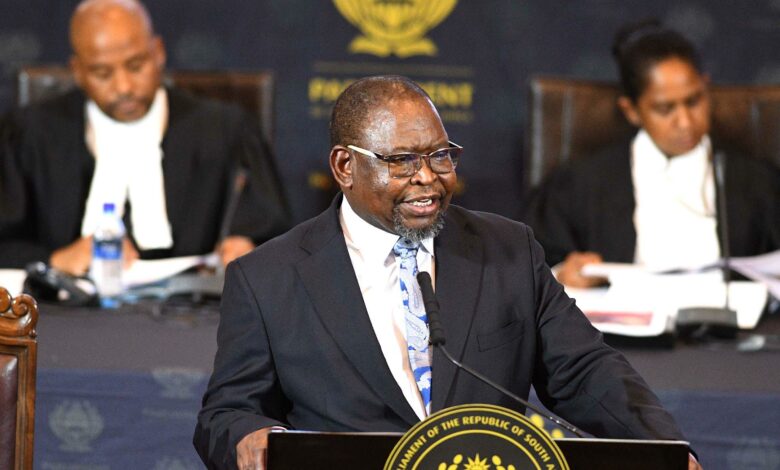
Finance Minister Enoch Godongwana announced on November 1 that 28 applications were approved from municipalities seeking for their debt to be scrapped.
Delivering his mid-term budget speech, Godongwana said the remainder was being assessed and verified with provincial treasuries.
“By October, 67 applications had been submitted, totalling R56.8-billion, or 97% of the total municipal debt owed to Eskom at end-March.”
Tshwane spokesperson Selby Bokaba confirmed that Tshwane had applied for Eskom’s Municipal Debt Relief Support.
The Treasury deadline was on October 31.
The Tshwane metro had approached Treasury for a favourable tailor-made debt relief agreement to cushion its more than R3-billion burden to Eskom.
The metro said the current debt relief scheme was not appropriate for its revenue generation, so it was unable to comply with some conditions, especially the following:
– Maintain the Eskom bulk current account as a result of the liquidity challenges it was experiencing.
It was unlikely it would be able to keep Eskom’s bulk account current due to a decline in electricity revenue as a result of illegal electricity connections causing huge distribution losses.
– A limit on its borrowing powers would ultimately affect revenue-generating streams, exacerbate the already-strained financial situation and negatively impact capital infrastructure development and service delivery.
Tshwane wanted to be exempted from losing its Nersa licence, should it fail to comply with any of the conditions of the relief programme because selling electricity was one of its two main revenue sources.
The metro sought to hold engagements with Treasury to see how these conditions could be eased.
Tshwane maintained it also could not allow its constitutional mandate to supply electricity to be taken over by Treasury in its bid to rescue the financially ailing Eskom, while it remained liable for interest and penalties on the R3.7-billion it owed the utility.
It attributed this debt to the decline in electricity revenue because of load-shedding and theft.
Motivating for the relief to be granted, Tshwane DDG intergovernmental relations in the city manager’s office Malijeng Ngqaleni said the over nine months of Covid-19 had left the city with financial scars.
Ngqaleni said during 2020 under the State of National Disaster and hard lockdown, Tshwane was prohibited from exercising any credit control, which undermined its ability to collect the more than the R3.2 billion due.
She said the relief, if granted, would afford Tshwane time to focus on revenue improvement and collection strategies.
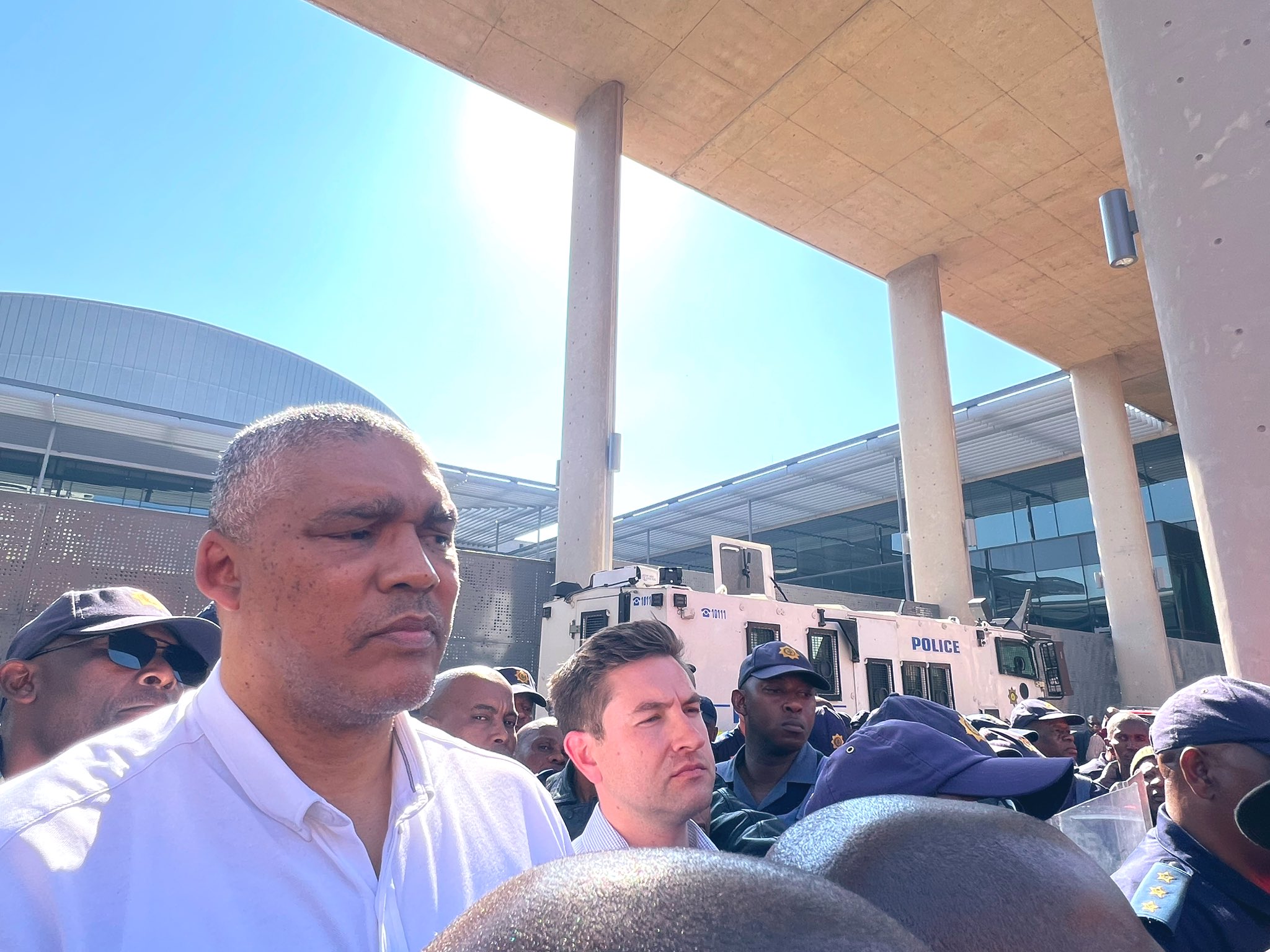
Speaking in council, Tshwane mayor Cilliers Brink said the metro could not afford to lose its electricity distribution network and ability to go out to the market to source funding as stipulated in the relief conditions.
“There are certain risks the city cannot afford to take. We must guard these functions assigned to local municipalities and approach Treasury.”
He said however it was vital that Tshwane negotiated for several conditions to be waived as it had to be less dependent on Eskom to better its financial standing.
Republican Conference of Tshwane councillor Lex Middelberg also supported the debt relief package.
He said he was however unsure Treasury had the remit to agree to Tshwane’s request to take up the debt relief on its own terms, as that would set a bad precedent.
“If they [Treasury] are silly enough to agree to Tshwane’s terms, I seriously doubt they will and [it] places Tshwane’s sought relief as wanting and irresponsible.
“It boggles the mind why this government that brought about this crisis would put debt relief at risk with a presumptuous impertinence.”
He said the conditions of relief were not unreasonable and Tshwane’s rejection thereof was a sure indication that it was not committed to maintaining Eskom’s account.
ALSO READ: SADAG launches two new support groups in November
Do you have more information about the story?
Please send us an email to editorial@rekord.co.za or phone us on 083 625 4114.
For free breaking and community news, visit Rekord’s websites: Rekord East
For more news and interesting articles, like Rekord on Facebook, follow us on Twitter or Instagram