Residents remain aggrieved over municipal bill estimations
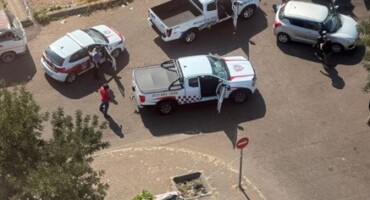
The metro says estimations are made when meter readers are met with resistance from residents.
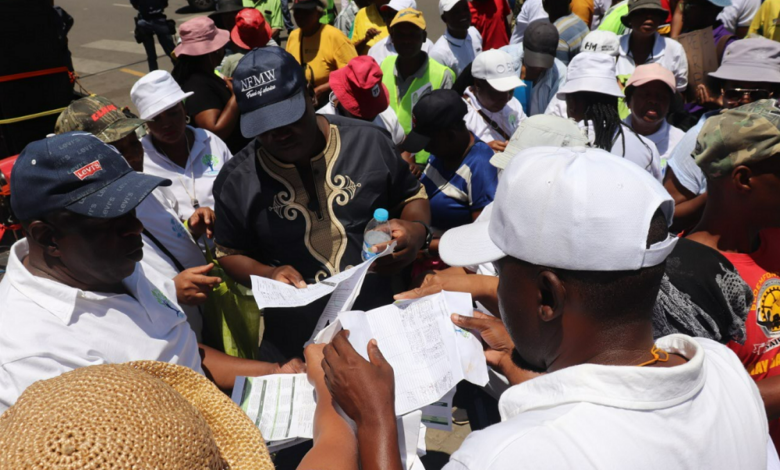
Residents west of Pretoria and from other townships say that estimated municipal bills have left them feeling targeted by the metro.
This comes after Finance MMC, Peter Sutton, announced earlier this month that the metro was intensifying its efforts to issue more accurate bills.
Sutton said the metro resorted to estimations when workers were met with resistance from residents.
“Tshwane has been made aware of numerous incidents where residents have refused to cooperate with the city meter readers. In some areas, these incidents have escalated to intimidation where our teams are prevented from performing their duties. This, in turn, forces the city to bill these customers using estimations,” Sutton said.
“Reading meters is the most reliable way to calculate your utility consumption. Accurate meter readings ensure that every community member pays only for the services consumed, promoting equity and fairness in our billing system.”
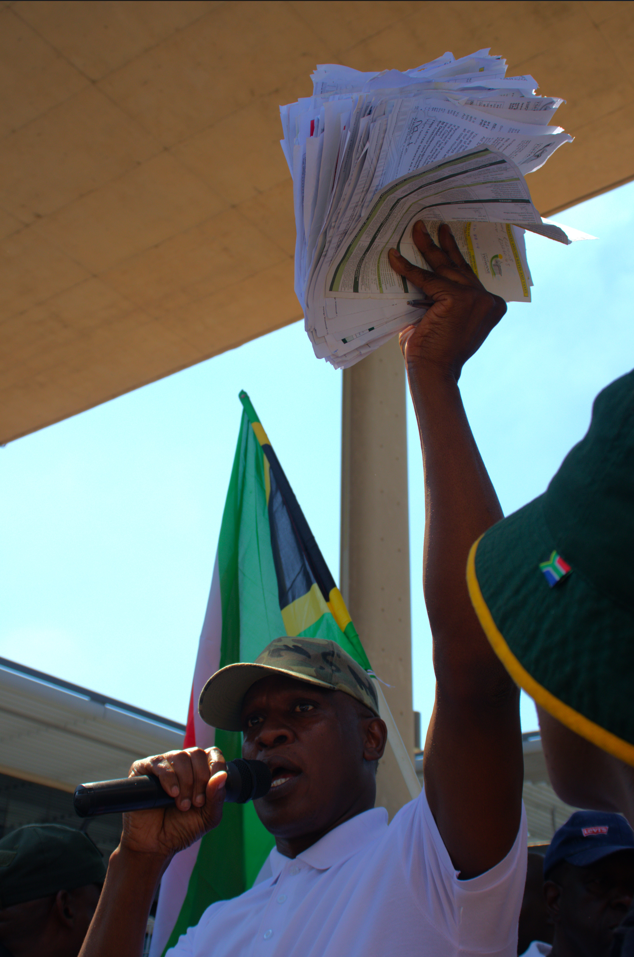
Sutton assured residents their privacy and safety would not be compromised by city officials and urged compliance with the meter reading process.
Meter readers are easily identifiable by their official uniform and identification badge. Residents are urged to ask for identification should they have any verification concerns and call the metro for assistance.
“Your cooperation is instrumental in achieving our common goal of a well-functioning city that offers reliable and fair services. We sincerely hope you will help us in this endeavour to ensure our meter readers can perform their duties without any hesitation or apprehension,” said Sutton.
Residents, particularly in the townships, have stated that the exercise is merely set up to further victimise the poor of the capital.
“The bills they ask us to pay go up every month and a lot of us can’t afford it. A lot of residents here live on government grant money,” said Saulsville resident, Julia Pretorius.
“When they ask us to pay such money, it means we no longer have life. In various households, we can’t even buy bread, we have chronic conditions meaning those who live on pills can’t afford medication because of the rent. Food doesn’t last long and we need it to take our medication.”
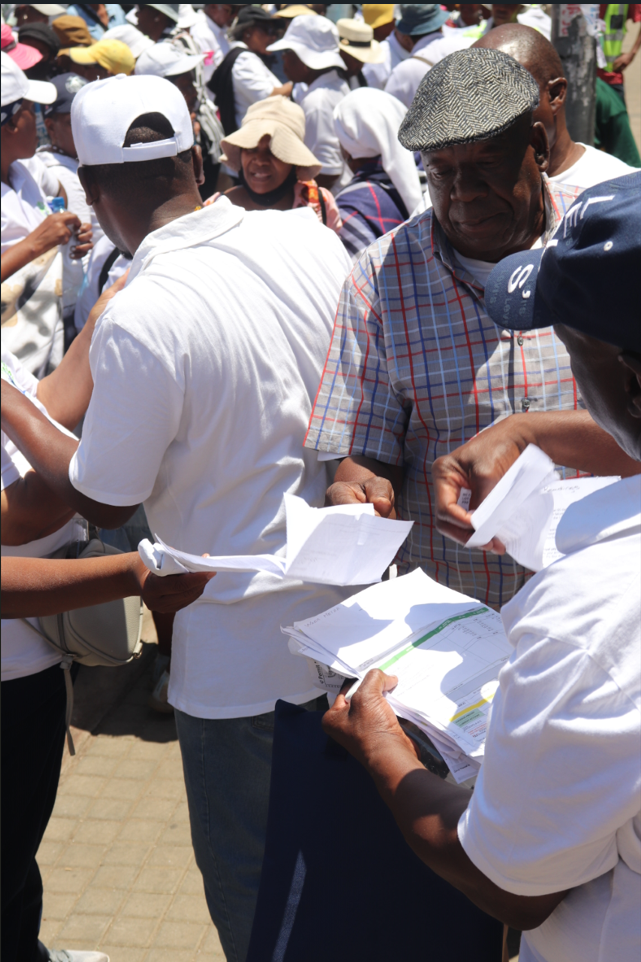
Atteridgeville resident Caroline Mahlangu shared similar sentiments regarding the elderly being targeted.
“How cruel are these people? They can’t even think about the poorest of the poor child-headed households and pensioners who are earning as little as R2 000 a month, but can be billed R3 000? They should think twice before starting this,” she said.
Chairperson of the Lotus Gardens, Atteridgeville and Saulsville Civic Association (Lasca), Tshepho Mahlangu, said estimated bills are a by-product of a failed multi-coalition government.
“These deliberate estimated bills by the municipality aim to loot from the poorest of the poor to cover the crime and corruption in council, e.g. the looted R10-billion, Glad Africa, PEU smart meters and other monies lost through fruitless and wasteful expenditure. Sutton behaves like a modern-day loan shark and that’s illegal,” Mahlangu said.
“In a nutshell, the DA-led coalition and its subsidiary political allies deliberately outsourced the billing debt to consulting firms. The residents are billed by consultants instead of city employees and that is corruption and maladministration by these toxic coalitions.”
Lasca has been involved in various battles with the metro regarding estimated bills and other grievances, including a lack of service delivery, credit control, by-law enforcement and more.
Ester Vilakazi (65) of Soshanguve also called the metro out for targeting the poor, arguing that the disenfranchised in these townships have no means to pay such high rates.
“Where do they expect us to find the money to pay such bills? You can receive a letter claiming you owe thousands and thousands and have no idea where such amounts come from,” Vilakazi said.
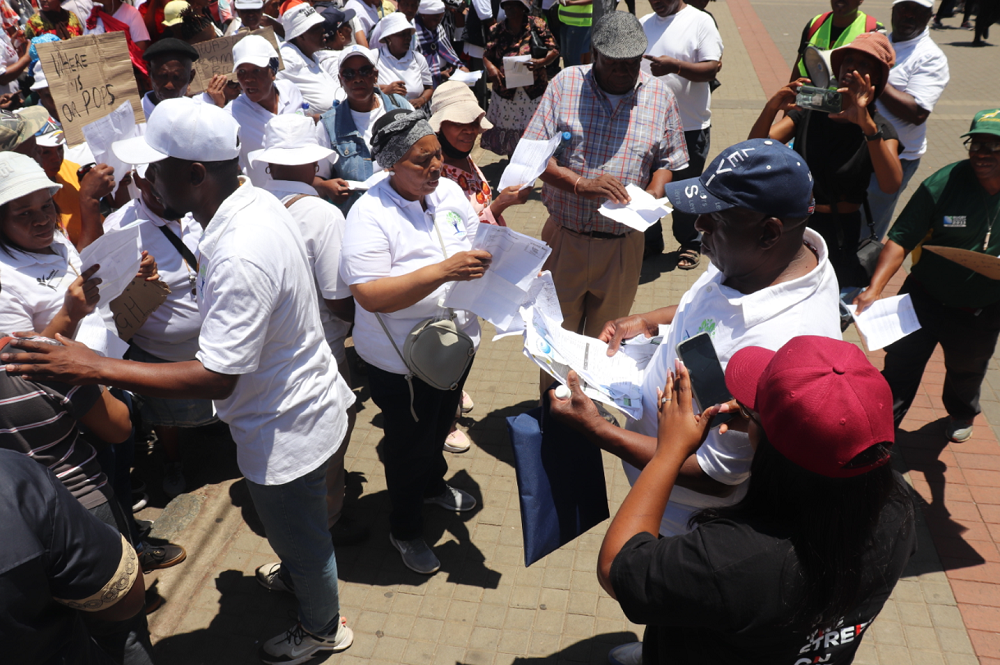
Another Soshanguve resident, Kedibone Monyanyane, said the billing issue has caused psychological issues within the community, and has affected other areas of daily life.
“We are unable to live our lives. We don’t know what these rates can be from month to month and you can find that all the money you earn goes straight to the municipality. It has affected the community at large, we are struggling, we can’t eat and it has affected us psychologically as well,” Monyanyane said.
Ga-Rankuwa resident Nonkululeko Qhotsokoane said the billing system has resulted in many families living hand-to-mouth.
“Billing has affected a lot of families negatively as we can no longer afford the basics, a decent meal, we can no longer afford to buy electricity for the month. Our income hasn’t changed but our expenses have gone up, we live from hand to mouth, that’s the sad reality,” said Qhotsokoane.
ALSO READ: Crime stats: fewer Tshwane stations in top-30 serious crime hotspots
Do you have more information about the story?
Please send us an email to editorial@rekord.co.za or phone us on 083 625 4114.
For free breaking and community news, visit Rekord’s websites: Rekord East
For more news and interesting articles, like Rekord on Facebook, follow us on Twitter or Instagram