Fresh produce market precinct plan aims to reshape Pretoria inner city
City officials say the new framework will guide investment, improve safety, and create thousands of housing opportunities near Tshwane’s historic market.
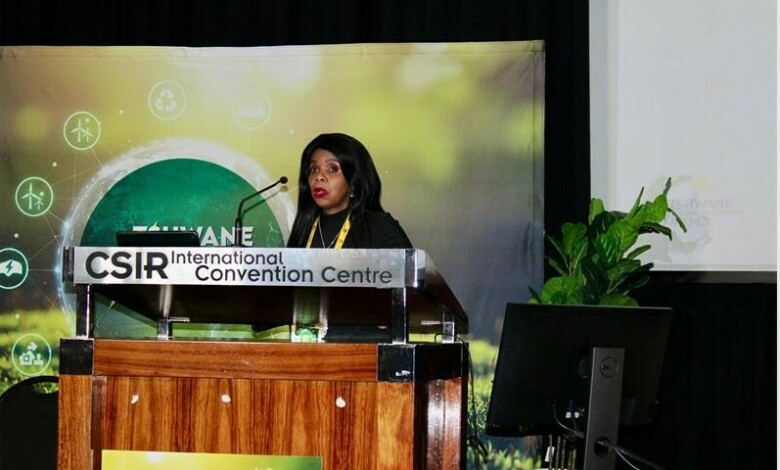
Approved on August 28, the Tshwane fresh produce market precinct plan lays out a clear framework for the area to expand, attract investments, and renew the inner city of Pretoria.
The plan proposes investments for cleaning up the precinct and upgrading street lighting, public spaces, and pedestrian areas to improve the safety for young residents, as well as attract more investment and growth for the area.
According to the MMC for Economic Development and Spatial Planning, Sarah Mabotsa, the plan is a strategic planning document that seeks to guide future development, direct investment, and assist in renewing the precinct that surrounds the Tshwane fresh produce market.
Mabotsa emphasised that enhancing and revitalising the inner city of Pretoria will allow the capital city to contribute even more to economic growth and job creation in the region.
Council approves strategic Precinct Plan for the Tshwane Fresh Produce Market area and surrounding neighbourhoods. pic.twitter.com/d9rSPwCNJx
— City of Tshwane (@CityTshwane) August 28, 2025
“The vision of the precinct is a sustainable and prosperous precinct that is pedestrian-friendly and well-connected to public transport.
“The renewal of the Pretoria inner city and efforts to enhance the functions of the market are priorities for the current administration,” she said.
Mabotsa said the precinct will include housing and mixed-use developments so that it may once again become a preferred investment area for small and large businesses.
The focus of the precinct area is bounded by the following areas:
– Eskia Mphahlele Drive and Marabastad
-Staatsartillerie Street
– Dr WF Nkomo Street (formerly Church Street)
– The railway line to the west.
Mabotsa stated that the median age of people living in the area is between 20 and 29 years of age, with several key institutions close by, including the Tshwane University of Technology.
The plan proposes the following for the market and surrounding neighbourhoods:
– The Tshwane Market
– Medium density mixed-use development
-High density mixed-use development
-Open space, urban agriculture and the river
– Roads and infrastructure
– The railway
– The remainder of land to existing educational, religious and public amenity services or institutions.
Mabotsa explained that it is estimated that more than 7200 housing opportunities could be incorporated into this area as part of the medium and high density mixed-use development zones.
“This would allow more people to live closer to where they work or study, meaning reduced traffic congestion for the capital city, and huge savings of time and transport costs for thousands of families,” Mabotsa said.
We visited the Tshwane Fresh Produce Market this morning to observe its operations. The market has for years functioned on a poorly funded budget and there are many infrastructure challenges. We believe this predicament can be changed. We were joined by market management and a… pic.twitter.com/O8sw2YdIPA
— Dr Nasiphi Moya (@nasiphim) September 2, 2025
Do you have more information about the story?
Please send us an email to bennittb@rekord.co.za or phone us on 083 625 4114.
For free breaking and community news, visit Rekord’s websites: Rekord East
For more news and interesting articles, like Rekord on Facebook, follow us on Twitter or Instagram or TikTok.