Sinoville residents demand real solutions as leaks persist after millions spent on repairs
The metro attributed the persistent water leaks to a combination of ageing asbestos cement infrastructure, degradation of the old network, high water pressure, and temperature fluctuations.
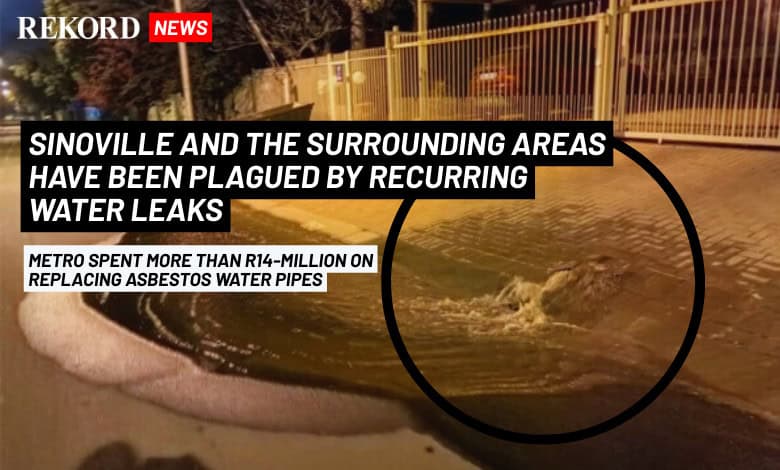
For years, Sinoville and the surrounding areas have been plagued by recurring water leaks that leave residents frustrated, waste millions of litres of clean water, and disrupt daily life.
Despite the Tshwane metro admitting that it has already spent more than R14-million on replacing asbestos water pipes in the area, leaks continue to resurface within days of being repaired.
The metro attributed the persistent water leaks to a combination of ageing asbestos cement infrastructure, degradation of the old network, high water pressure, and temperature fluctuations.
According to the metro, these factors cause frequent bursts and failures along the pipes, resulting in repeated interruptions.
Residents have long suspected that the repair teams dispatched by the metro were simply using patch jobs to temporarily cover cracks, which later give way.
However, the metro has denied this, insisting its teams use standard methods.
“Standard repair methods are utilised where maintenance teams replace the failed or broken sections of the asbestos pipe with complete uPVC lengths whenever leaks occur,” said Metro spokesperson Lindela Mashigo.
Furthermore, the metro noted that a standard operating procedure is in place, requiring foremen to conduct quality checks on repairs carried out by artisans or plumbers.
In 2022, the metro announced a long-term programme to replace asbestos pipes in Sinoville and Annlin, which have been in the ground for decades.
Mashigo confirmed that the first phase of the programme was completed last year in certain sections of Sinoville.
The second phase is still pending and will be implemented and finalised in the remaining areas.
The scale of the problem is massive. Mashigo said the Sinoville area had approximately 53 000m of asbestos pipe in its water network.
To date, around 8 300m have been replaced, leaving an estimated 44 700m still to be done.
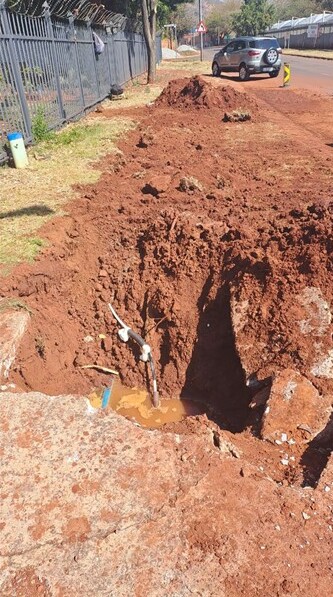
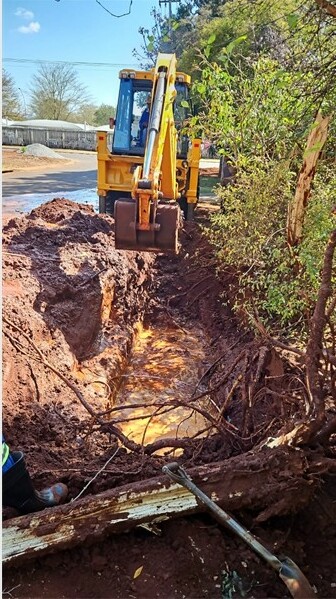
According to Mashigo, the metro has already invested R14.55-million into pipe replacement:
-2022/23 financial year: R12.5-million spent, replacing 7 959m of old asbestos pipeline.
-2023/24 financial year: R2.05-million spent, replacing 775m of pipeline.
Mashigo also mentioned that no budget was approved for Sinoville’s pipe replacement in the last two financial years.
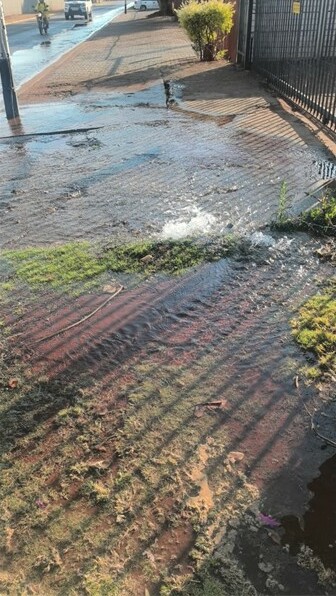
Residents claimed the leaks have gone unrepaired for months.
The growing number of leaks in the area has caused frustration among the community, who believe the metro is not doing enough to address the issue on time.
Resident Sarie Velthuizen shared her frustration regarding the recurring leaks in her neighbourhood.
“Tshwane usually takes two weeks to fix it, but the repairs only last for about a week before it starts leaking again,” explained Velthuizen.
She added that there has been a leak on the sidewalk for several months. She claimed the metro only addressed the leaks in the street and neglected the ones on the sidewalk.
Marthie van der Merwe, who lives in Dominika Street said they were promised that asbestos pipes would be gone by now, but they are still sitting with water running from leaks every week.
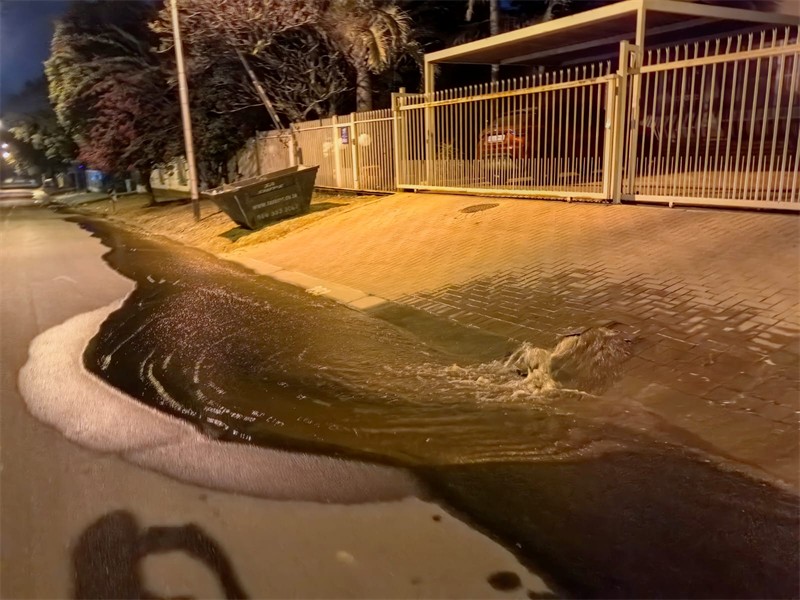
When Rekord asked about the amount of treated water lost annually through repeated leaks in Sinoville, the metro downplayed the scale of wastage.
“All the reported leaks were attended within the norms and standards, and therefore, the water loss for the area is less,” stated Mashigo.
This claim contradicts what many residents say they see daily: streams of water gushing down pavements and into storm drains.
Safety concerns have also been raised over fire hydrants, which Ward 50 councillor Lenise Breytenbach said are often left closed or inaccessible after repair work.
The metro, however, insisted there is no risk for emergency services, explaining that hydrants are opened temporarily to flush out debris and air pockets after valves are reactivated.
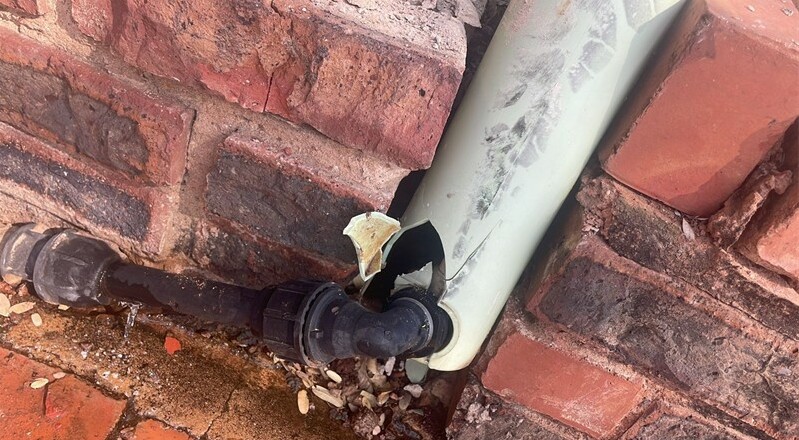
Breytenbach echoed residents’ anger, saying the metro is out of touch with reality.
“Our residents are tired of excuses. The metro keeps telling us about phases and procedures, but what people see are the same leaks, over and over again. We are stuck with a decaying system and no budget to fix the rest,” she said.
Breytenbach also criticised the lack of funding allocated to Sinoville in the past two financial years.
“It’s shocking that a community dealing with some of the worst infrastructure failures has been completely side lined when it comes to budgeting. That tells you exactly where the metro’s priorities lie.”
Mashigo has promised that a permanent solution to the recurring leaks will come as soon as the second phase of pipe replacement is completed.
Do you have more information about the story?
Please send us an email to bennittb@rekord.co.za or phone us on 083 625 4114.
For free breaking and community news, visit Rekord’s websites: Rekord East
For more news and interesting articles, like Rekord on Facebook, follow us on Twitter or Instagram or TikTok.