Tshwane’s tree drive aims to cool down heat-stricken township
Residents have mixed feelings, as one stated that she cut the trees down because of the difficulty of maintaining a clean yard from falling leaves.
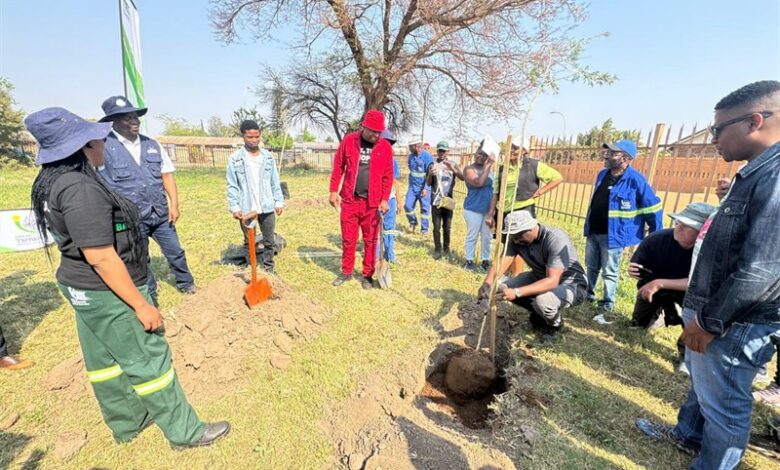
The metro has stepped up its fight against climate change with the launch of Arbour Month celebrations in Hammanskraal, where officials outlined plans to use trees as natural shields against rising urban heat.
The initiative, supported by both corporate partners and government, is part of a broader drive to address the unequal distribution of green spaces across the city.
Mayor Nasiphi Moya, joined by MMC for Environment, Obakeng Ramabodu, and representatives from Santam, launched the campaign at Unit D Park in Hammanskraal.
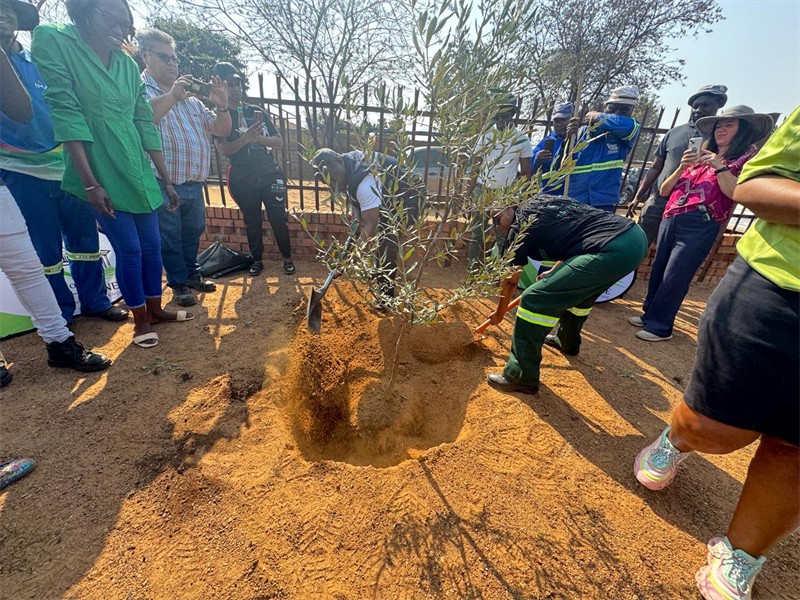
Santam announced that they will donate trees worth R250 000 to bolster Tshwane’s Urban Greening Programme.
The programme is a flagship Urban20 legacy project that aims to plant 300 000 trees over three years.
“This donation is a major boost to our Urban Greening Programme, as it sets the pace to accelerate our greening efforts,” said Moya.
The mayor emphasised that heat mapping research has shown that heat stress is significantly worse in townships and informal settlements, when compared to other areas of Tshwane.
The lack of tree cover and shaded areas in these communities has made residents especially vulnerable to the extreme temperatures that occur during heat waves These are expected to increase in frequency and severity due to climate change.
As part of the Arbour Month activities, the Gauteng Department of Agriculture and Rural Development also contributed 250 indigenous and fruit trees.
These will be distributed to schools, crèches, and old age homes across Region 2, facilitated through local community forums during September.
The metro has committed to donating 200 trees to township schools. It is a symbolic gesture to ensure that learners in underserved communities enjoy the same greenery and shade found in wealthier parts of the metro.
“Our townships deserve to resemble other parts of our city. Informal settlements and townships bear the brunt of extremely high temperatures, and planting trees is one way of restoring dignity and ensuring environmental justice,” said Moya.
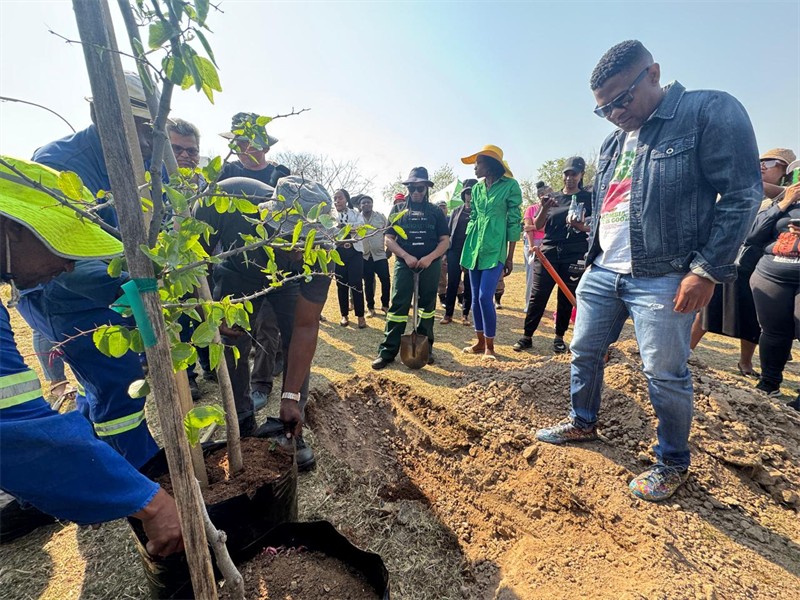
However, Hammanskraal resident Mmakoma Madimetja said they cut down trees that make the yard dirty during autumn and winter.
“It’s not like we don’t want trees, we have to sweep the yard every day from April until August because the leaves fall and make the place dirty.
“I will go and take a tree from the metro since we are going to the hot season, but it’s really difficult to keep them during winter,” she said.
The mayor stressed that government efforts alone would not be enough to reach the ambitious target of 300 000 trees.
“Collaborations and partnerships are essential in accelerating climate solutions. We invite stakeholders and individuals to collaborate with us, embrace environmental stewardship by pledging to plant trees and start food gardens, thus leaving a positive legacy for future generations,” added Moya.
By targeting heat-stricken areas first, the metro hopes to model how urban planning can be used as a tool for climate resilience and equity.
The metro has called on businesses, non-profits, and residents to join hands in turning grey, heat-stressed spaces into green, thriving environments.
ALSO READ: Retired Mamelodi nurse releases updated book on cons and scams
Do you have more information about the story?
Please send us an email to bennittb@rekord.co.za or phone us on 083 625 4114.
For free breaking and community news, visit Rekord’s websites: Rekord East
For more news and interesting articles, like Rekord on Facebook, follow us on Twitter or Instagram or TikTok.