Heatherdale explores neighbourhood cameras to deter crime and build unity
A proposed camera network is gaining traction in Heatherdale, offering households peace of mind while fostering collaboration, transparency and proactive community-led safety solutions.
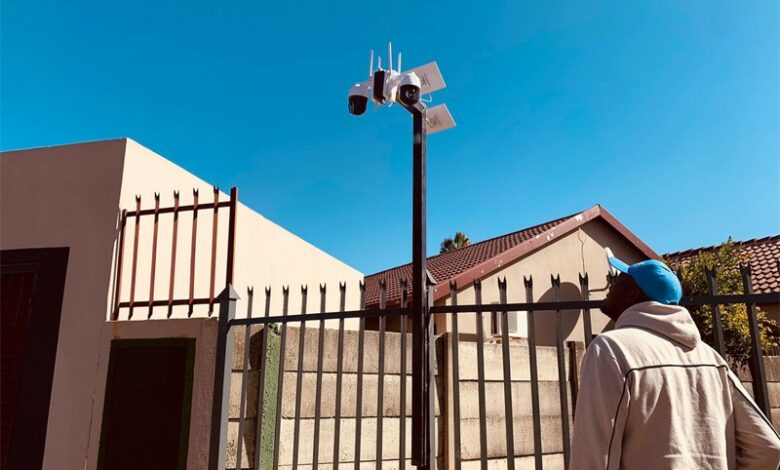
A grassroots plan to install motion-sensing security cameras across Heatherdale is rallying residents around a shared goal: safer streets and a stronger sense of community.
Proposed by Royalty Efficient Solutions (RES), the neighbourhood initiative encourages each household to mount a street-facing camera with night vision, remote access and cloud storage.
This will turn individual properties into a co-ordinated digital watch that can help deter crime and support investigations when incidents occur.
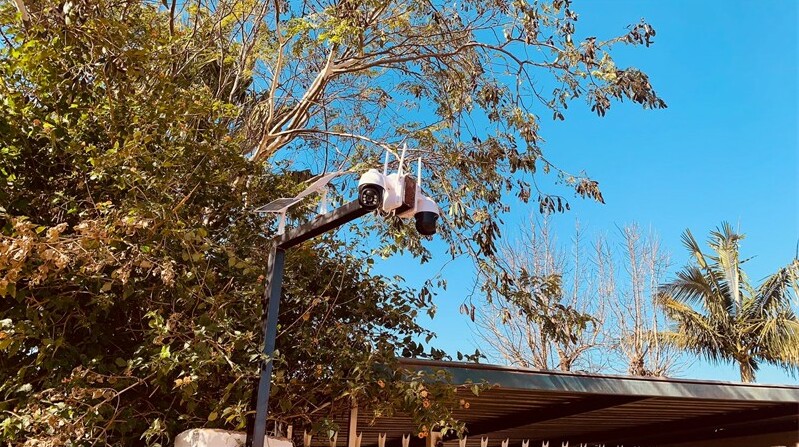
The cameras activate only when motion is detected, conserving storage while capturing usable evidence.
Weatherproof designs and high-resolution video round out the specifications, making the devices suitable for outdoor, around-the-clock use.
Ntokozo Mthembu of RES Solutions said the plan is deliberately simple and collective. Under Option 1, each participating household contributes a specified amount of money to cover the device, installation, and a year of service and maintenance.
Mthembu said for streets that prefer shared infrastructure, Option 2 proposes eight cameras on four poles, including installation, an approach designed to spread coverage and costs across multiple homes.
RES mentioned that professional installers will handle the placement and set-up. They will begin with an assessment to identify the optimal vantage points, and then continue with a maintenance plan that ensures the system remains operational for the first 12 months.
“The project’s greatest strength may be the way it draws neighbours into closer co-operation, agreeing on placements, sharing updates, and learning how to access and securely share footage when needed.
“Advocates also point to potential knock-on benefits, from reduced opportunistic crime to improved property values in streets where visible, modern surveillance is in place,” said Mthembu.
For long-time resident Thandi Mahlangu, the appeal is as much social as it is practical.
“We have had WhatsApp groups for years, but this is the first time we are putting real tools on the street together.
“If each house covers a slice of the road, we create a continuous view. More importantly, we are finally talking to each other about safety, not just after something happens, but before.”
Mahlangu, a mother of two, said she’ll opt for the per-household camera.
“I like knowing I can check footage from my phone when the kids walk home from school. It’s peace of mind.”
Johan Strydom supports the shared-pole option for cul-de-sacs and high-traffic corners.
“It’s cost-effective and gives better angles than one camera per wall. We are also looking at signage to warn would-be criminals that the area is monitored. Visibility matters.”
As the proposal gains traction, residents are also airing thoughtful questions, chief among them privacy and governance.
Because the devices record public-facing areas and store footage in the cloud, neighbours want clarity on who can access video, how long it’s retained, and the conditions under which it can be shared with SAPS.
Mthembu recommended basic protocols, such as to keep footage access limited to camera owners or a street-level committee by agreement, time-limited storage to what’s needed for incident review, and establish a simple handover process for SAPS upon case numbers being issued.
Residents said these ground rules can protect personal rights while ensuring evidence is preserved for legitimate investigations.
The project’s backers emphasised that the system is proactive, not punitive.
“Cameras don’t replace patrols, alarm systems or vigilant residents; they add an objective record that helps spot suspicious patterns and supports prosecutions.
“In practice, that can mean quickly piecing together vehicle movements across multiple driveways, or proving the timing of an attempted break-in.
“With remote access, homeowners can also check live views when an alarm triggers or a neighbour raises an alert,” said Mthembu.
RES noted that the project is voluntary; those who cannot contribute immediately can still be part of the co-ordination effort, agreeing on pole placements, hosting equipment in future phases, or helping manage the street roster for maintenance checks.
For Mahlangu, the investment is justified.
“The amount is less than a single excess payment on a stolen phone or damaged gate. If it means our kids can play outside a little longer and we sleep better, it’s worth it.”
Strydom agreed, but added a caution that echoed across community meetings.
“The tech is the easy part. The culture is the challenge. If we keep showing up, sharing footage responsibly, attending meetings, looking out for one another, then the cameras will pay for themselves.”
Mthembu said the next steps include confirming interest per street, mapping camera or pole sites, and scheduling installation slots.
Residents are encouraged to raise any concerns now so they can be addressed in the initial rollout, particularly around signage, data retention and liaison with SAPS and the Community Policing Forum.
With momentum building, Heatherdale may soon see a tangible symbol of neighbourliness mounted above its pavements, a network of digital eyes powered not just by electricity and Wi-Fi, but by trust.
Do you have more information about the story?
Please send us an email to bennittb@rekord.co.za or phone us on 083 625 4114.
For free breaking and community news, visit Rekord’s websites: Rekord East
For more news and interesting articles, like Rekord on Facebook, follow us on Twitter or Instagram or TikTok.