Metro removes vagrants from Menlo Park stormwater canal
Ward 82 councillor Siobhan Muller says the problem persists despite the metro’s action, with rubbish piling up and vagrants returning to the stormwater canal.
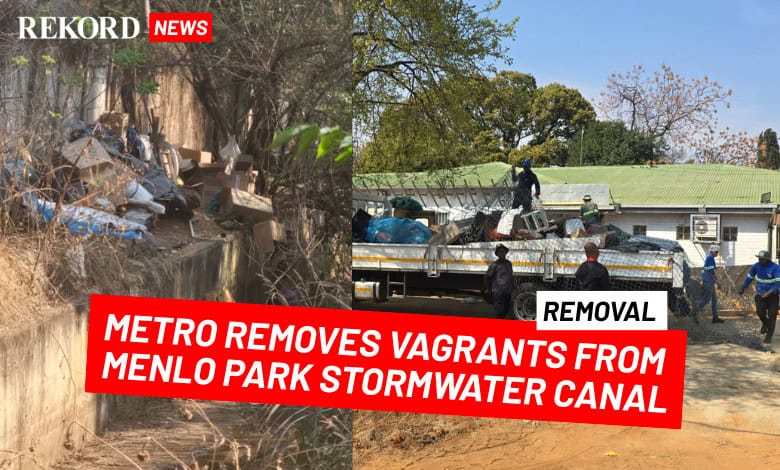
Tshwane metro has confirmed it visited the Menlo Park stormwater canal after residents complained that vagrants were living beside the canal and dumping rubbish into it.
According to metro spokesperson Lindela Mashigo, the people seen regularly at the site are vagrants, who go there to bathe.
“The metro’s police branch, through the Land Invasion Unit, verified that there are no shacks on-site,” Mashigo said.
However, Ward 82 councillor Siobhan Muller painted a very different picture.
“Under that bridge are a whole lot of rubbish and people living in there. It is very, very dangerous, as this is the stormwater canal,” she said.
Muller added that she has consistently asked the metro to cut down the overgrowth, explaining that the bushes have now become trees.
“I keep calling for them to be cleared by the metro, but nothing happens.”
She said while the metro police did remove shacks and vagrants, the vagrants returned almost immediately after officials left.
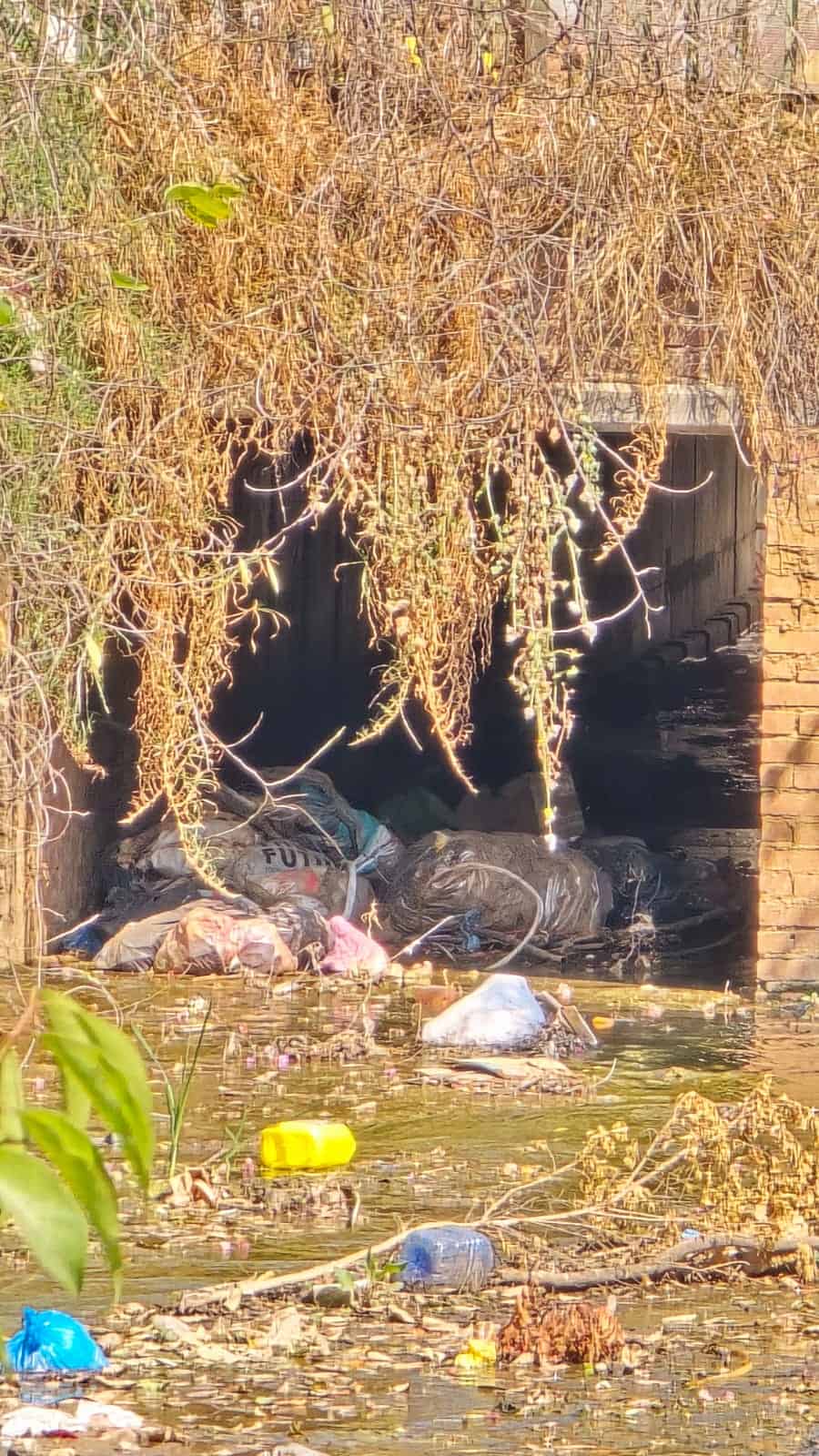
The problem in Menlo Park forms part of a bigger issue across Tshwane and other cities, where stormwater systems are increasingly being abused and neglected.
The Institute of Municipal Engineering of Southern Africa (IMESA) recently sounded the alarm, warning that misuse of stormwater canals and drains could have devastating and costly consequences for communities.
The institute highlighted a worrying trend of residents and others removing manhole covers and dumping rubble, tyres, clothing, toys and even large rocks into stormwater systems.
“When these foreign objects block the pipes, rainwater has nowhere to go. As a result, streets can turn into rivers, homes get flooded, infrastructure collapses, and the damage can cost billions to repair,” the institute said.
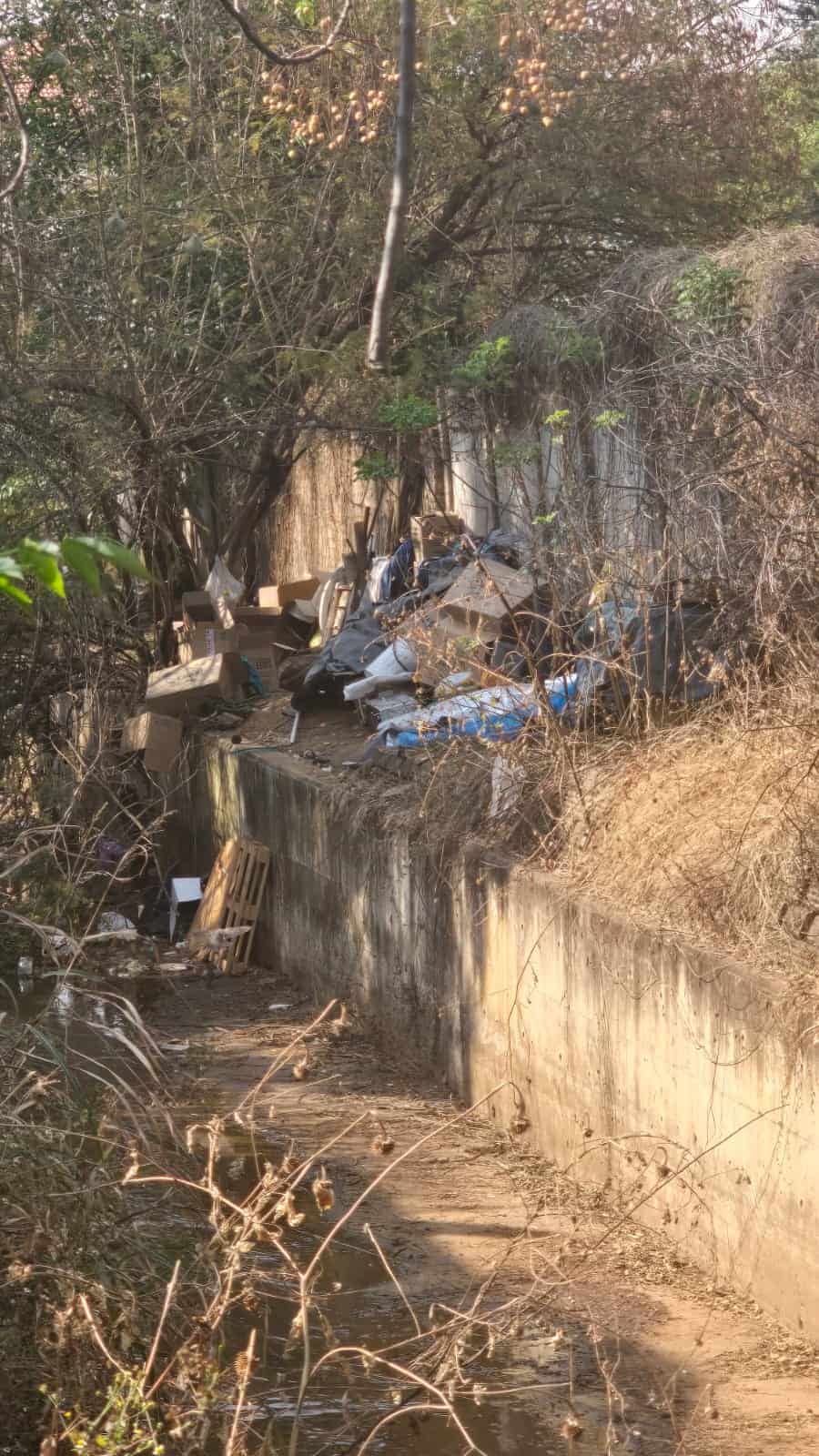
One of the biggest problems is blockages often go unnoticed until heavy rains hit, by which time it is too late.
“Most municipalities do not have the budget or manpower to check and clean the piped systems proactively, although all efforts are made to clean inlets such as catchpits and grids,” IMESA noted.
This means flooding is often the first sign that something is wrong. Experts stressed that the issue is not only technical, but also a community problem.
“When residents use stormwater drains as dump sites, the whole community suffers the consequences,” the institute said.
The institute added that South Africa’s rapid urbanisation is compounding the problem, as more paved surfaces like roads and rooftops increase water runoff, putting extra strain on stormwater systems.
Climate change is another factor, with storms becoming more intense and unpredictable.
To help municipalities cope, IMESA, together with the Water Research Commission, has published the Best Practice Guideline for Design Flood Estimation in Municipal Areas.
The guideline provides tools for municipalities on how to estimate the amount of water that needs to be managed during different rainfall events, and how to design systems capable of handling these challenges.
It also supports better planning for new developments, flood-prone areas, and long-term infrastructure investment, while encouraging closer collaboration between town planning and engineering departments.
Importantly, the guideline bridges the gap between academic expertise and practical implementation, giving municipalities a standardised approach to flood risk management that has been missing.
While the guidelines aim to assist municipalities, IMESA reminded residents that they also play a crucial role in protecting stormwater infrastructure.
The institute urged people not to dump waste into drains or remove manhole covers and to report such incidents. Keeping gutters and street drains clear of leaves and debris also helps prevent flooding.
Do you have more information about the story?
Please send us an email to bennittb@rekord.co.za or phone us on 083 625 4114.
For free breaking and community news, visit Rekord’s websites: Rekord East
For more news and interesting articles, like Rekord on Facebook, follow us on Twitter or Instagram or TikTok.