Tshwane faces rising teenage pregnancy crisis
Between January and December 2024, Tshwane recorded 5 752 teenage pregnancies, with 4 209 births and 1 543 terminations. DA leader Solly Msimanga has called for urgent interdepartmental action, highlighting underreporting, statutory rape, and systemic failure to protect vulnerable girls from sexual abuse and exploitation.
In the span of a single year, from January 1 to December 31, 2024, Tshwane grappled with a staggering 5 752 teenage pregnancies among girls aged 10–19.
This alarming figure, which includes 4 209 live births and 1 543 terminations, is not an isolated incident but part of a wider crisis unfolding across Gauteng.
The province as a whole reported a total of 23 691 teenage pregnancies during the same period, highlighting a pressing need for intervention and support.
Of the babies delivered in the province, 521 were born to girls aged 10–14 years, and 23 170 were born to girls aged 15–19.
In total, 4 840 girls across Gauteng aged 10–19 years underwent a termination of pregnancy.
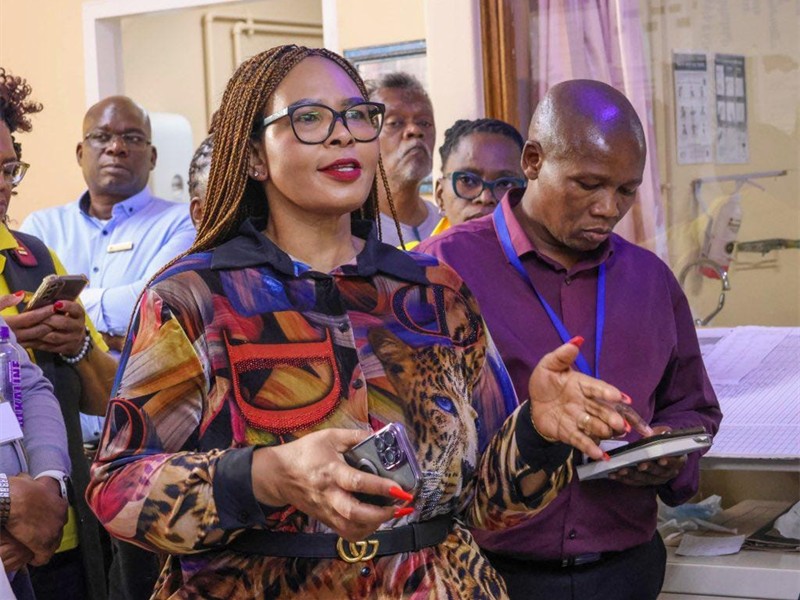
These statistics were revealed by Gauteng MEC for Health, Nomantu Nkomo-Ralehoko, in response to a written question posed in the Gauteng Provincial Legislature (GPL).
Solly Msimanga, provincial leader of the DA in Gauteng, has called for a multi-departmental approach to tackle this crisis.
He stressed that the Health, Education, Social Development, and Community Safety departments must stop operating in silos, and instead collaborate to empower frontline workers to report child and statutory rape cases effectively and without delay.
“These numbers reveal a silent crisis affecting thousands of young girls in the province, many of whom are victims of sexual exploitation and statutory rape.
“Tragically, for too many of these girls, pregnancy is not a result of consensual relationships between peers but the outcome of abuse, coercion, and failure of systems meant to protect them,” said Msimanga.
He pointed out that sexual assault and teenage pregnancy have reached what can only be described as exceptionally high levels in Gauteng.
According to him, the gravity of the issue is compounded by the fact that many of the perpetrators of statutory rape remain free.
“One of the major failures is the underreporting of cases to the SAPS, as well as the failure by certain professionals to fulfil their legal responsibility to report underage pregnancies as potential statutory rape,” said Msimanga.
Data reveals that only 474 cases were reported to SAPS in the 2022/23 financial year.
This number dropped to 257 in 2023/24 and fell even further to just 242 between April and December 2024.
He believes this sharp decline in reported cases is not due to fewer incidents occurring, but rather a systemic breakdown in the reporting and enforcement mechanisms.
According to the Children’s Act, all professionals, including teachers, nurses, doctors, and social workers, who come into contact with a pregnant child must report the case either to a social worker or directly to SAPS.
Failure to do so not only breaks the law but also facilitates a culture of silence and impunity around child sexual abuse.
Msimanga said another obstacle in ensuring justice is the ongoing backlog of DNA analysis, which delays the prosecution of rape cases.
According to Msimanga, in many instances, families are allegedly offered bribes or financial compensation by perpetrators in exchange for their silence, further preventing cases from reaching the courts.
“This allows predators to continue victimising vulnerable girls without fear of accountability. Statutory rape is a serious criminal offence, and those who commit it cause lasting psychological and physical harm.
“The inability or unwillingness of law enforcement agencies to act decisively in these matters undermines the very concept of justice and fails to uphold the dignity and rights of the victims.”
Msimanga has proposed measures as a solution. They must empower and train health workers. Social workers and caregivers must report suspected abuse or rape as mandated by law. They must also strengthen education programmes to teach girls their rights, including that no adult, whether a parent, teacher, or neighbour, has the right to exploit them.
“We must also ensure better data collection and transparency around arrests and convictions of perpetrators, address the backlog in forensic testing to expedite the prosecution process and involve parents, school governing bodies, and community leaders in safeguarding efforts.”
Do you have more information about the story?
Please send us an email to bennittb@rekord.co.za or phone us on 083 625 4114.
For free breaking and community news, visit Rekord’s websites: Rekord East
For more news and interesting articles, like Rekord on Facebook, follow us on Twitter or Instagram or TikTok.