Plastic Reboot Project tackles SA’s pollution
The project aims to reduce plastic pollution in South Africa's food and beverage sector. It focuses on upstream and midstream solutions to promote sustainable alternatives to plastic packaging.
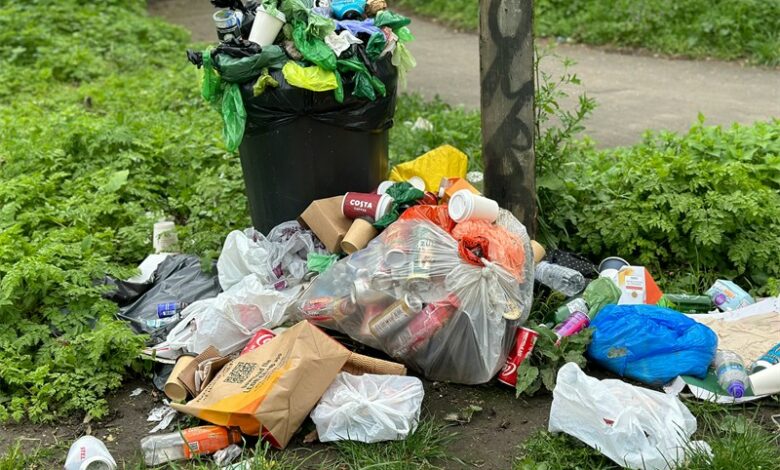
A new initiative launched in Pretoria on September 18 aims to directly address one of South Africa’s most pressing environmental challenges: plastic pollution from packaging in the food and beverage sector.
The Plastic Reboot Project: Circular Solutions for Plastic Pollution in South Africa is a pioneering initiative aimed at reducing plastic waste at its source.
The multi-year project aims to achieve a systems-level shift in the plastics value chain across South Africa.
The project is funded by the Global Environment Facility (GEF), with the United Nations Industrial Development Organisation (UNIDO) acting as the international implementation agency.
The Department of Forestry, Fisheries and the Environment (DFFE) will serve as the national focal point. At the same time, the World Wildlife Fund South Africa (WWFSA), in collaboration with the Council for Scientific and Industrial Research (CSIR) and GreenCape, will act as the national execution agency.
Levy Maduse, acting UNIDO representative, explained: “The Plastic Reboot South Africa project is part of a GEF-funded global programme across 15 countries, for which UNIDO serves as an implementing agency.
“With strong national partners in South Africa, the project is set to drive innovative actions in the upstream and midstream of the food and beverage sector.”
He added: “Through this collaboration, it is expected not only to help mitigate challenges addressing plastic pollution in South Africa but also to contribute to global environmental benefits.
“These include mitigation of greenhouse gas emissions across the plastic life cycle, and decreased releases of persistent organic pollutants from the burning of plastic waste.”
The project’s vision is to contribute to South Africa’s transition toward a thriving, equitable, and inclusive circular economy for plastic packaging and short-lived plastic products.
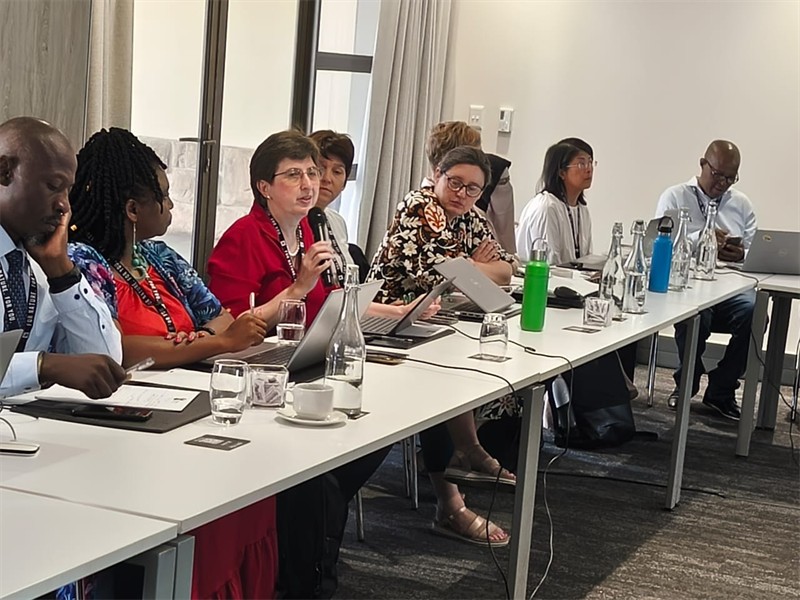
This approach would not only improve society’s well-being but also benefit the environment.
As Lorren de Kock, senior technical specialist at WWFSA, stated, “Plastic pollution is not just a waste problem. It is a design, systems, and equity challenge. As the world moves towards a circular future, the project positions South Africa at the forefront of circular innovation in plastics.”
The project focuses specifically on upstream and midstream stages of the plastic packaging lifecycle.
In the upstream phase, it aims to eliminate unnecessary, avoidable, and problematic plastic products, aid the shift to sustainable alternatives, promote reuse and refill systems, and incorporate recycled plastics as feedstock. All of these focus points will help reduce the need for virgin plastic production.
At the midstream stage, the project will support innovation to extend the life of products that require plastics by creating reusable or recyclable options and building circular systems.
It will also focus on reducing unnecessary consumption, especially for short-lived plastic products.
Anton Nahman, principal environmental economist at the CSIR, emphasised, “Scientific evidence is critical for identifying solutions to the plastic pollution crisis that are effective, relevant to the South African context, and that avoid unforeseen negative consequences.”
The downstream phase of the project, which involves activities like collection, segregation, recycling, and waste management, will not be directly funded.
ALSO READ: Pretoria High Court to decide fate of outstanding e-toll cases
Do you have more information about the story?
Please send us an email to bennittb@rekord.co.za or phone us on 083 625 4114.
For free breaking and community news, visit Rekord’s websites: Rekord East
For more news and interesting articles, like Rekord on Facebook, follow us on Twitter or Instagram or TikTok.