Students vaccinate dogs, boost animal welfare efforts
A vaccination drive in Soshanguve and nearby settlements brought relief to pet owners and highlighted the urgent need for more sterilisation programmes to curb animal overpopulation.
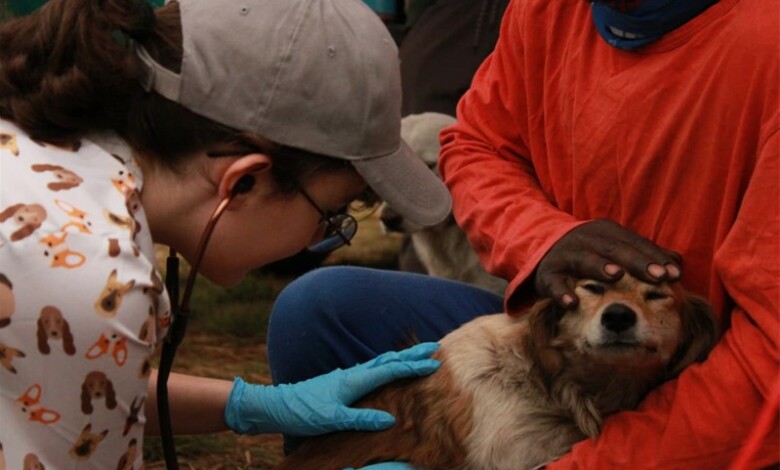
Wollies Animal Project and Shelter recently expressed heartfelt thanks to the students of the International Veterinary Students Association (IVSA) for their invaluable contribution in vaccinating 125 dogs on World Rabies Day.
This collaborative effort highlights the ongoing commitment of both organisations to improving animal welfare within the local community.
Situated in Hesteapark on Rooikat Street, Wollies is home to more than 700 dogs and 300 cats, under the dedicated leadership of Cilla Trexler.
On the morning of the vaccination drive, a group of IVSA students set out early to visit several informal settlements in proximity to the shelter.
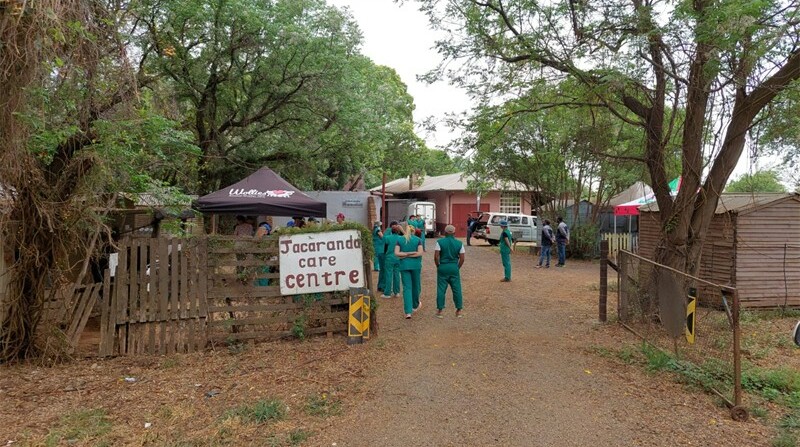
They were accompanied by their supervising lecturer, Dr Maxine Breytenbach, and members of the Wollies team.
Their route included Dipereng, Jwagga, Klerksoord, Winternest, and Jacaranda. Each dog brought to the team received not only a rabies vaccination but was also dewormed and treated for ticks and fleas.
Trexler was quick to acknowledge the role of Cobra Security, which provided essential assistance throughout the day.
“We are truly grateful for their support, which helped us ensure the safety and smooth operation of the campaign,” she said.
Despite the day’s successes, Trexler highlighted a pressing issue revealed through these visits: the urgent need for sterilisation programmes.
“There is a desperate need for assistance to help curb overpopulation and ensure healthier lives for these animals,” she explained.
Overpopulation in informal settlements often leads to strained resources and poor health outcomes for pets, making sterilisation a crucial intervention.
A particularly uplifting aspect of the day was the distribution of bags of dog food to every vaccinated animal. These were generously donated by Afrique Food.
“We as a company are dedicated to supporting initiatives that promote the mental and physical well-being of pets through our product lines such as Epol, Vitagen and Jock. We want to make a real and lasting impact on the well-being of all pets,” said the director, Bruce Loxton.
“The owners were thrilled and deeply grateful for the care their animals received,” Trexler noted. “The day ended in the best way possible with full tummies and happy tails.”
IVSA, a student-run organisation based at the Onderstepoort Faculty of Veterinary Science, played a central role in organising the event.
The association is managed by a team of passionate and dedicated students, each bringing their own skills and enthusiasm to the mission.
This year, Channing Du Plessis and Alexia Debraou, as the leadership team, were responsible for community outreach programmes, planned the vaccination drive in close partnership with Wollies.
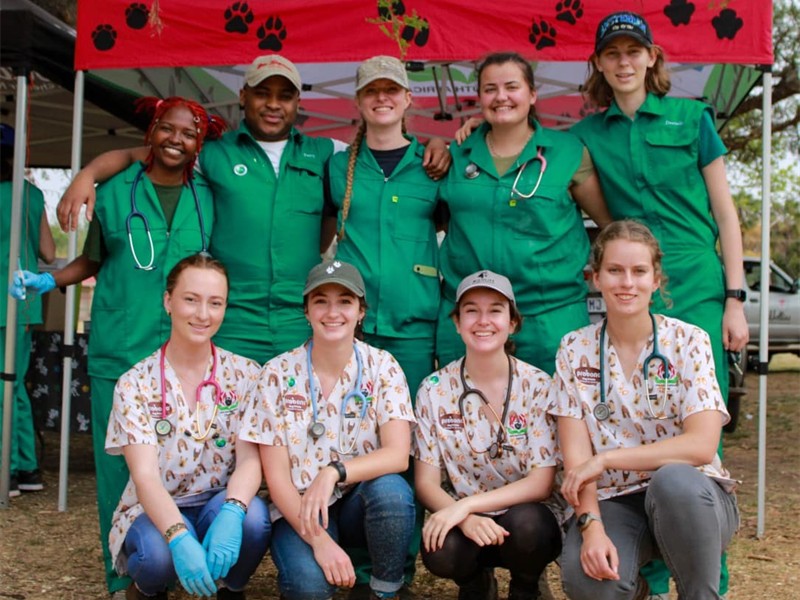
Founded in 1951, IVSA is a global network representing thousands of veterinary students across more than 70 countries.
Onderstepoort proudly serves as the sole veterinary campus in the country to participate in this international network, giving the students an important platform to represent their nation.
Du Plessis shared her thoughts on the day, saying, “For our World Rabies Day vaccination project, we had a volunteer group of over 50 students, ranging from second-year veterinary science and nursing students to final-year candidates. Their dedication was incredible.”
Acknowledging the crucial role of sponsors in making such initiatives possible, Du Plessis expressed gratitude for the support received from Probono dog treats, the South African Veterinary Association’s Companion Animal Veterinary Community (SAVA-CVC), and Basix scrubs.
“We are heavily dependent on sponsorships to run these campaigns, and we have bigger and brighter dreams for the future term in 2026.”
Building on the success of the annual rabies outreach, IVSA South Africa plans to launch a follow-up spay and neuter campaign targeting the same underserved communities.
Du Plessis emphasised the urgent need for such initiatives. “Many of these areas face severe animal overpopulation, with residents desperate for help but unable to access or afford veterinary services.”
This next campaign will focus on sustainable population control, disease prevention, and overall animal welfare improvements.
However, it presents significant challenges due to the resource-intensive nature of sterilisation work, which requires costly anaesthetic drugs, surgical equipment, post-operative care, and several days of committed volunteer work.
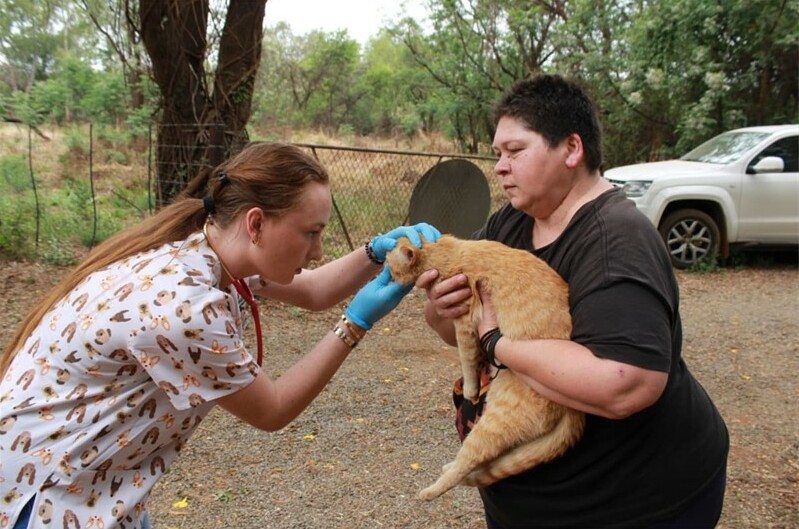
Du Plessis made a heartfelt appeal for sponsorships, noting that ‘at present we have no sponsorship or external funding for this campaign’.
Members of the public and organisations wishing to support or learn more about IVSA’s initiatives can contact the team via email at ivsa.sa.op@gmail.com.
Trexler has also reached out for help from the community, particularly from veterinarians or anyone willing to assist with the sterilisation of cats or dogs.
She appealed to any veterinarian willing to sterilise a cat or dog to please contact Wollies at 083 339 1692 or email wollies.cillat@gmail.com. She added that the shelter will gladly transport the animals to the veterinary practice for anyone willing to assist.
Do you have more information about the story?
Please send us an email to bennittb@rekord.co.za or phone us on 083 625 4114.
For free breaking and community news, visit Rekord’s websites: Rekord East
For more news and interesting articles, like Rekord on Facebook, follow us on Twitter or Instagram or TikTok.