‘Water smells like a dam’: Montana residents lose patience
Angry residents have petitioned the city for transparency, demanding full lab reports as discoloured, smelly water continues to flow from taps.
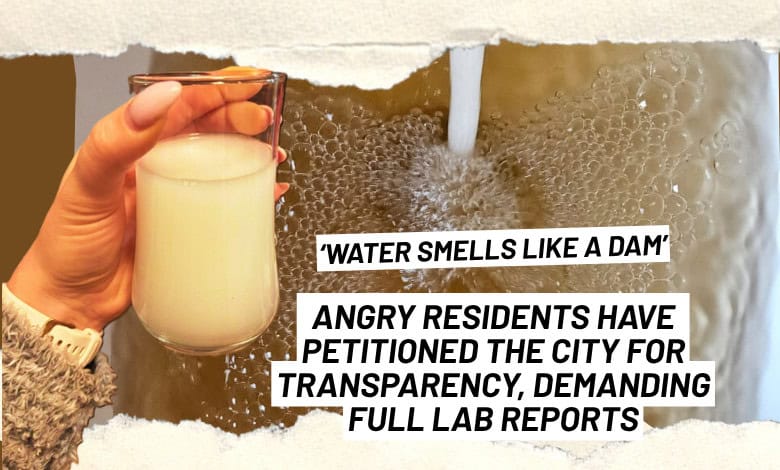
The ongoing issue of discoloured and foul-smelling water in Montana and the surrounding suburbs continues to frustrate residents, despite repeated assurances from the metro that it is safe to drink.
The problem, which dates back several months, has led to growing public dissatisfaction, a community petition, and mounting pressure on the metro to release official laboratory reports confirming water quality.
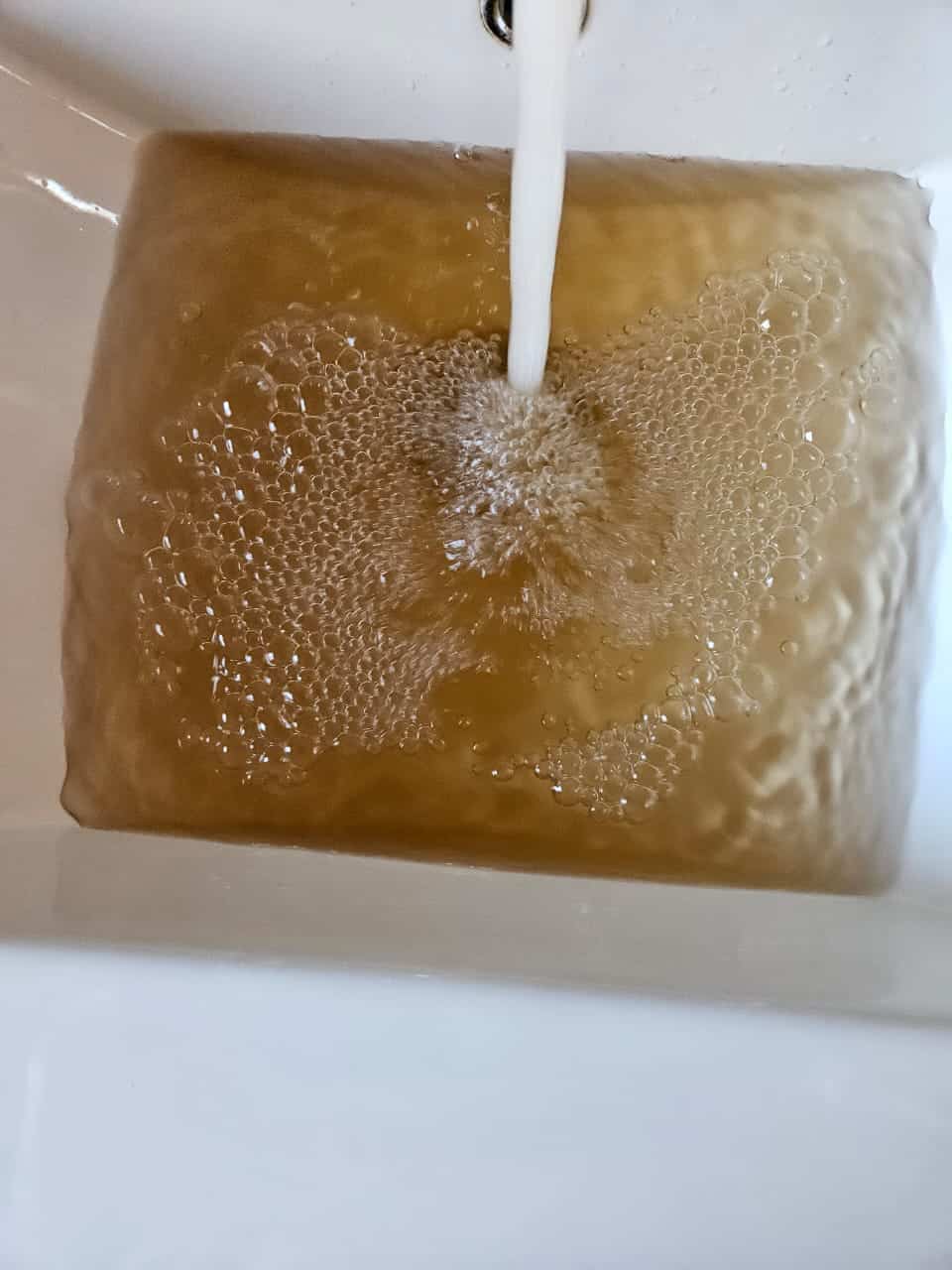
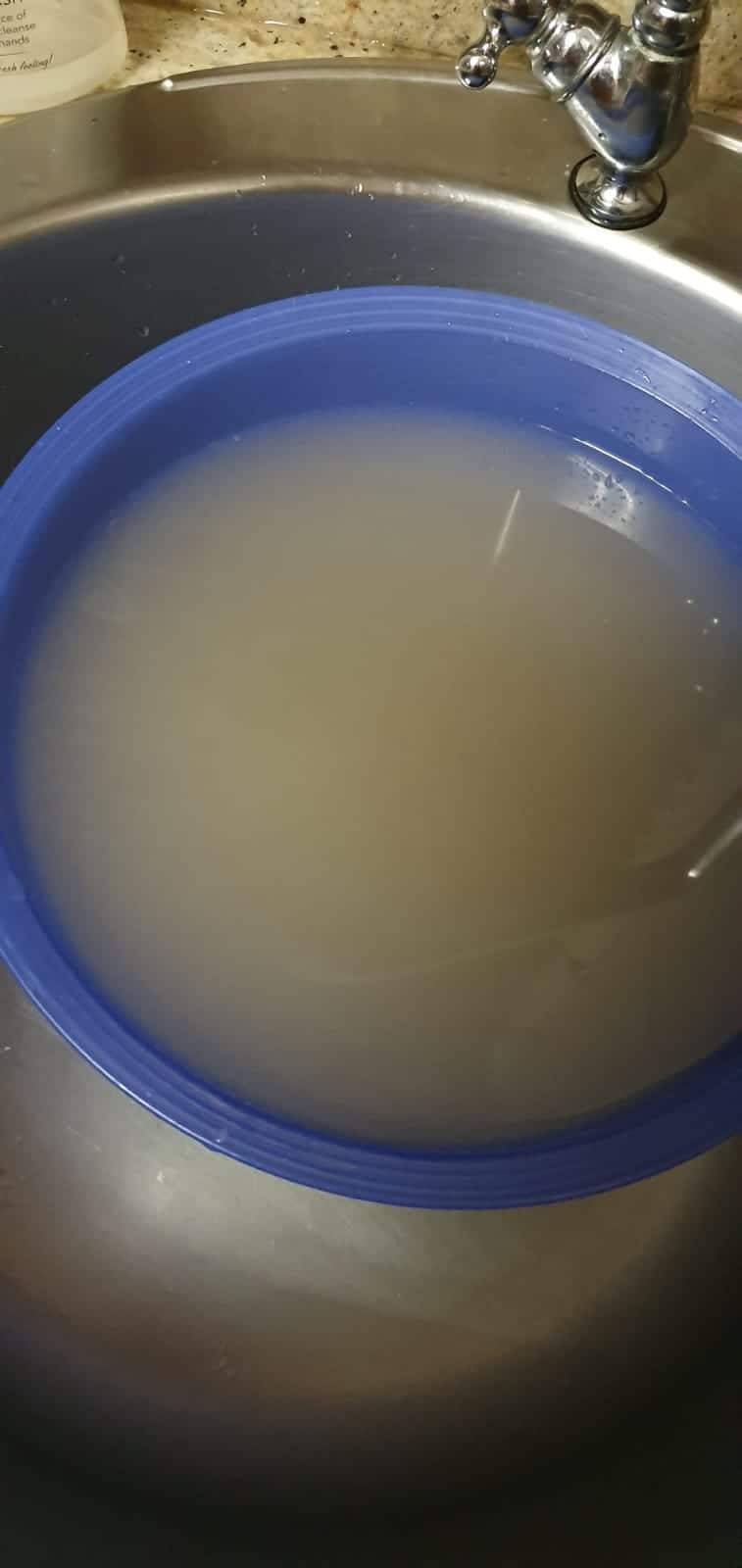
Residents in areas supplied by the Montana Reservoir, including Sinoville, Magalieskruin, Doornpoort, Annlin, and parts of Derdepoort, report that their tap water has a brownish colour and smells like it comes straight from the dam.
Complaints intensified in July when residents began raising concerns about water quality and odour linked to the Roodeplaat Water Treatment Works (WTW).
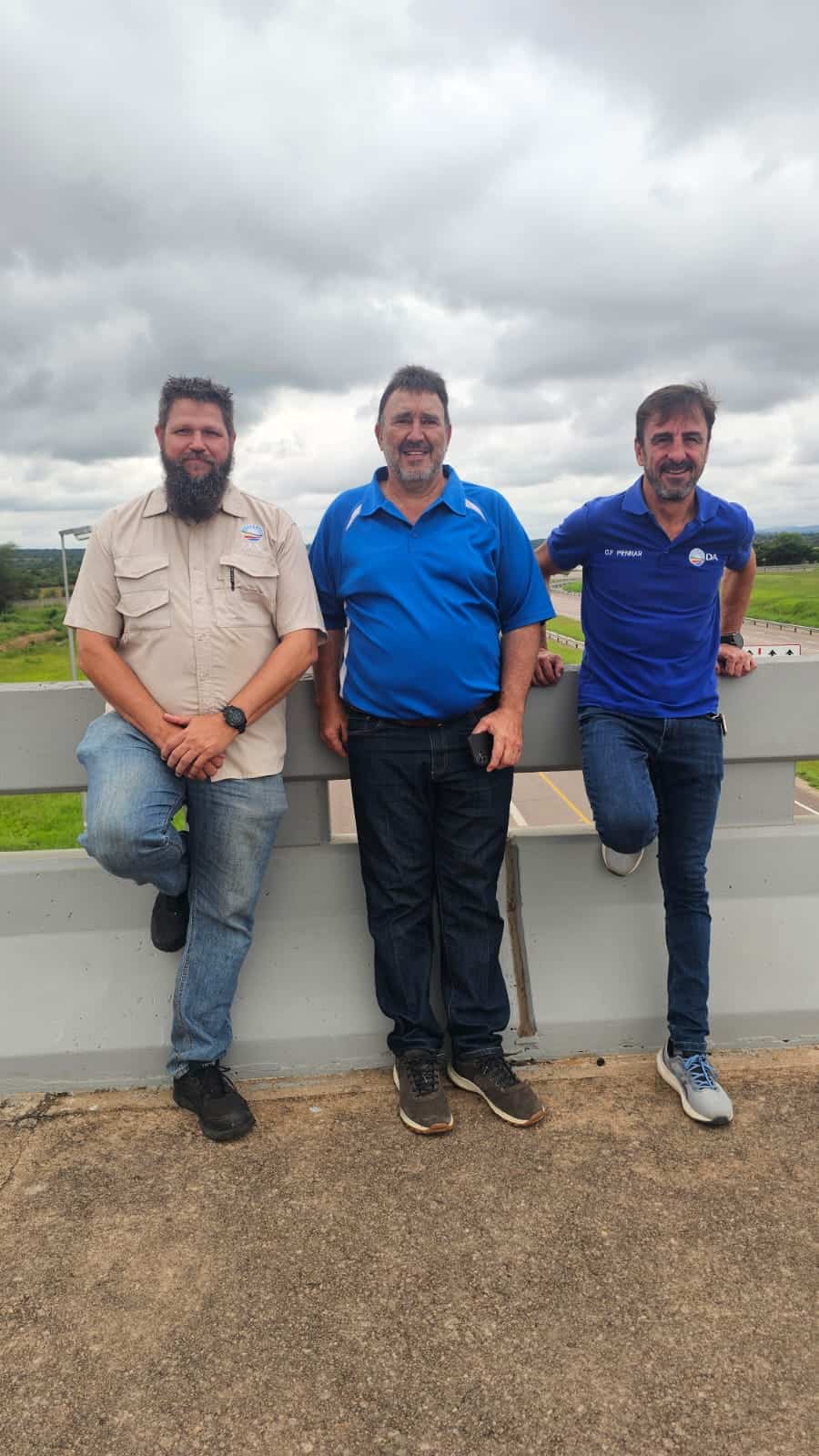
Ward 87 councillor Freddie Pienaar and Ward 50 councillor Lenise Breytenbach, who have been at the forefront of the campaign for answers, said residents’ concerns stem from visible and sensory changes in the water.
“The bad quality of water and the smell of it are what caused the dissatisfaction from residents.
“The water had a bit of a foul smell, brownish in colour, and it seemed like it came straight from the dam, so there were a lot of complaints.
“In line with that, we decided to put a petition out there and prompt the metro to provide feedback as to what the cause was and what the timelines are in terms of addressing the matter,” said Pienaar.
The petition can be found at www.jotform.com/app/232615524875562/252124582054552
According to Pienaar, the issue is compounded by power outages that disrupt the purification process.
He said that he and other ward councillors have discussed the issue with the metro, and they believe that power outages at the Roodeplaat WTW are the main cause of the problems.
When the waste water treatment plant loses power, it causes the plant to operate at a lower capacity than needed, leading to the water being insufficiently treated.
The increased levels of ammonia reported in testing could be caused by contamination of the water with human or animal waster, which is then not completely removed in the treatment process.
He added that while the metro insists the water remains safe, communication with the community needs to improve.
Breytenbach said residents have the right to the full reports and urged them to continue supporting the petition.
Tshwane spokesperson Lindela Mashigo confirmed that multiple tests have been conducted since the first reports of discoloured and smelly water emerged.
“Montana is currently supplied via a bypass from Garsfontein. All results were within acceptable limits as prescribed by SANS241.”
SANS241 is a South African National Standard that sets out minimum quality requirements for drinking water. It ensures that water is microbiologically, chemically, aesthetically, and physically safe to drink.
“The water quality meets the expected potable water standards and no irregularities have been observed,” said Mashigo.
He confirmed that microbiological testing, including for E.coli, total coliforms (a test for bacteria found in surface water, or water that has come into contact with human or animal waste), and heterotrophic plate counts (a test for several other types of bacteria), had been conducted and the results were compliant with national standards.
He added that the metro’s laboratories follow strict testing protocols.
“The Montana Reservoir is supplied from Rand Water, which has an accredited laboratory, and the Rietvlei lab participates in the Proficiency Testing Scheme.
“Both laboratories adhere to strict quality control procedures and participate in national proficiency testing schemes to ensure the accuracy of results,” he explained.
Asked why the issue had persisted since last year, Mashigo said investigations identified the Roodeplaat Water Treatment Works as the source of the problem.
“It was determined that elevated ammonia levels in [untreated] water from Roodeplaat Dam were contributing to the reported odour and taste problems.
“As an interim measure, the supply from Roodeplaat WTW to Montana was suspended, and the area was reconnected to the Rand Water system. The water quality improved significantly after that,” he said.
Mashigo added that the metro has ruled out any issues with internal infrastructure, such as pipes or pumps, confirming that the odour originated from raw water quality.
To address the issue, the metro has implemented pre-chlorination to reduce ammonia and improve disinfection efficiency, and has optimised treatment processes to manage organic compounds contributing to taste and odour.
“Monitoring for ammonia and organic compounds has been implemented and is ongoing until the water quality improves,” Mashigo said.
He further explained that the municipality is taking long-term steps to prevent a recurrence.
“To prevent similar issues, we are upgrading process units at Roodeplaat WTW to improve ammonia and organic compound removal, ensuring a continuous supply with Rand Water during raw water quality deterioration, and reducing nutrient loading into Roodeplaat Dam from wastewater treatment plants,” he said.
Residents remain unconvinced, as Marina Du Toit said, “We don’t want or need water tanks, we need clear, fresh, safe water to drink”.
“We are paying expensive money for services that are not supplied. The City of Tshwane is blatantly infringing on our human rights. I have the right to access clean water,” said resident Trevor Henn.
Do you have more information about the story?
Please send us an email to bennittb@rekord.co.za or phone us on 083 625 4114.
For free breaking and community news, visit Rekord’s websites: Rekord East
For more news and interesting articles, like Rekord on Facebook, follow us on Twitter or Instagram or TikTok.