North residents find calm through conscious saving amid financial strain
Rising living costs, unemployment, and family responsibilities leave many households constantly balancing between survival and sacrifice.

This Mental Wellness Month, financial stress is once again in the spotlight.
For many citizens, money worries are more than just numbers on a spreadsheet; they carry deep emotional and psychological weight.

Therèse Havenga, Head of Business Transformation at Momentum Savings and a qualified Research Psychologist, believes that developing conscious financial habits can build emotional resilience and restore a sense of control.
“In South Africa, financial stress is rarely just about numbers. It manifests physically as tension, relationally as silence, and psychologically as guilt.
“Even the act of saving can carry a quiet sense of inadequacy. Many people feel like they’re failing or not doing it right, which creates emotional strain that goes far beyond the wallet,” explains Havenga.
For residents in the north of Pretoria, the experience is all too familiar. Rising living costs, unemployment, and family responsibilities leave many households constantly balancing between survival and sacrifice.
But Havenga says a quiet psychological shift is underway, one that doesn’t start with wealth, but with awareness.
“It begins with small, intentional acts. Choosing calm over panic and consistency over comparison. Conscious saving means thinking through money matters, reframing financial experiences to manage emotions and restore dignity.
“It’s not about how much you save, but about creating emotional safety and stability.”
Havenga explains that South Africans navigate a uniquely complex emotional landscape when it comes to money.
She says the legacy of economic exclusion, cultural expectations around family support, and financial secrecy all shape how people feel about saving.
“The pressure to provide for others while trying to avoid burdening loved ones can be incredibly conflicting.”
Havenga mentions a study that reinforces this. In 2019, in the International Journal of Consumer Studies, researcher Michelle Reyers found that self-efficacy, the belief in one’s ability to manage money, predicts saving behaviour more strongly than financial literacy alone.
“Knowledge doesn’t automatically lead to better financial outcomes. People need emotional confidence and psychological safety before they can make consistent financial decisions,” she notes.
She describes conscious saving as an emotional shift from reactive, shame-driven behaviour to calm, self-respecting habits.
“Many South Africans live with what I call ‘savings shame’. This often leads to avoidance, unopened bills, delayed decisions, and erratic behaviour. Instead of motivating change, shame tends to paralyse it.”
According to her, conscious saving incorporates several key psychological mechanisms such as emotional regulation, identity shift and cognitive reframing.

For north resident Jacky Sikhwari, financial stress once felt like a constant battle.
“I used to feel guilty every time I couldn’t save or had to borrow. It made me anxious and ashamed.
“But after setting up an automatic debit into a savings account, I started feeling calmer. It’s not a lot, but it’s consistent and that’s made me proud of myself again.”
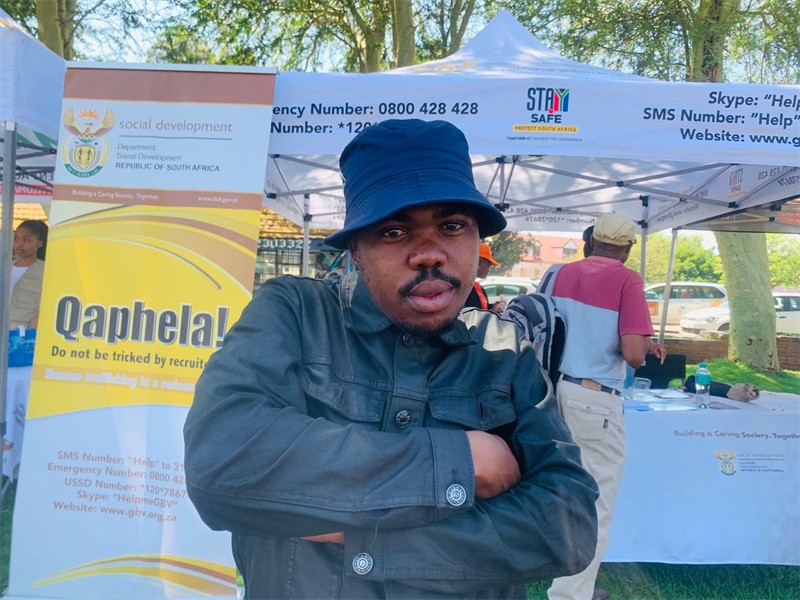
Another local, Linathi Ntsizi, says learning to talk openly about money changed his mindset.
“Growing up, we never discussed finances at home; it was like a secret. Now, I celebrate small wins like paying off a store account or sticking to our grocery budget.”
Havenga encourages residents to begin with small, steady actions.
She says people should name the shame, automate calm, reframe the budget, talk about money and celebrate quiet wins.
“In a culture that equates wealth with visibility, conscious saving offers a counter-narrative.
“It’s steady, dignified, and deeply empowering. True financial wellness isn’t about what you earn, it’s about how you feel when you manage it.”
Do you have more information about the story?
Please send us an email to bennittb@rekord.co.za or phone us on 083 625 4114.
For free breaking and community news, visit Rekord’s websites: Rekord East
For more news and interesting articles, like Rekord on Facebook, follow us on Twitter or Instagram or TikTok.