Fuel crisis forces animal shelter to pause rescues
The fuel shortage comes after months of operational strain. Rising expenses, growing rescue demands, and limited resources already put the shelter under pressure.
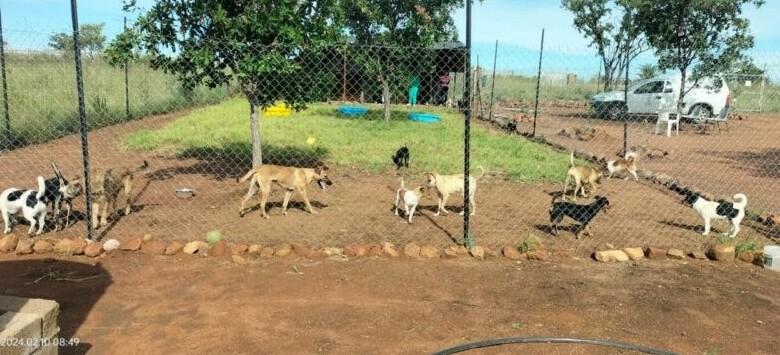
The Soshanguve Animal Shelter is facing an unexpected challenge that has brought its rescue operations to a halt.
A severe fuel shortage has forced it to delay or turn down multiple emergency calls, leaving vulnerable animals in distress without timely assistance.
According to the shelter, every empty fuel tank translates to an animal they cannot reach.
“Without petrol, we simply cannot reach animals in danger, even when the situation is urgent. Every empty tank means another animal we can’t save in time,” said founder Tebogo Maredi.
He said the shelter has been unable to attend to cases involving injured dogs, abandoned animals, and reports of roaming animals in distress.
Many of these situations required immediate intervention to prevent suffering, but without sufficient fuel, the team becomes powerless to act.
The fuel shortage comes after months of operational strain. Rising expenses, growing rescue demands, and limited resources have already placed the shelter under pressure.
The recent shortage has now escalated the situation into a full crisis.
On a typical day, when operations run normally, the shelter’s small team responds to rescue calls, transports animals to veterinary care, checks on animals in foster care, and ensures the welfare of those housed at the shelter.
“On a busy day, we attend to at least five cases. On slower days, we manage three, as we only have one animal welfare inspector.”
The emotional toll on the team is significant. Staff members feel the heartbreak and frustration of knowing animals are suffering while they remain unreachable.
“It deeply affects us. Our team carries a heavy emotional burden. It is heartbreaking and frustrating, especially when we know a simple tank of petrol could change the outcome.”
Beyond the current fuel crisis, the shelter faces long-term challenges, including high veterinary costs, food shortages, overcrowding, and insufficient staff.
Located next to a township where many residents are unable to help it with donations, the shelter relies on media exposure and the generosity of individual supporters.
Unlike larger organisations, they do not have companies sponsoring them every month, making community support essential for daily operations.
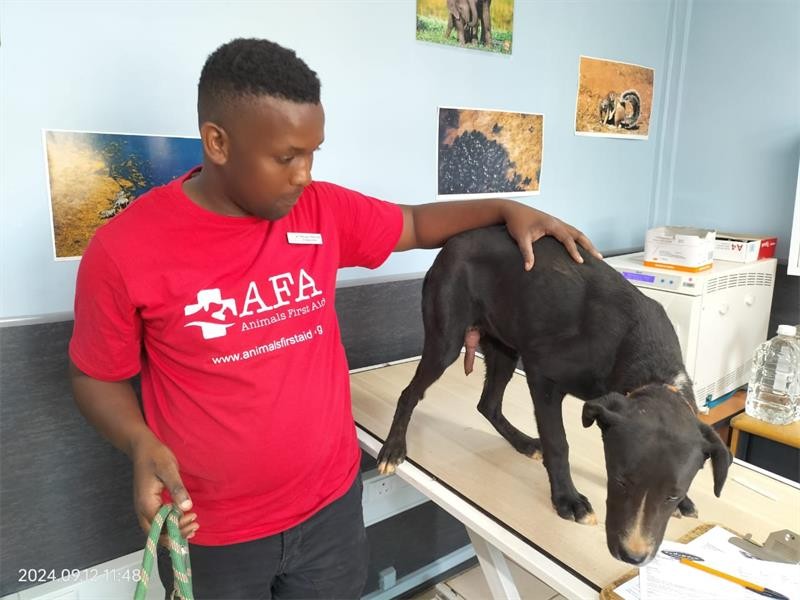
Maredi said the shelter serves 50–60 animals each week, with numbers fluctuating, depending on emergencies.
While the team is exploring no formal partnerships for fuel assistance, it is relying on support from online donors and the wider community to keep its rescue vehicle on the road.
Community support remains the organisation’s lifeline. Donations of food, blankets, funds, and transport assistance allow it to continue its work.
A fundraiser event scheduled for November 30 aims to raise awareness, encourage adoption of sterilised and vaccinated dogs, and rally further support.
“Running an animal rescue requires constant sacrifice, emotional strength, and community support.
“Every litre of fuel, every bag of food, every small donation truly saves lives. We are aware that financial difficulties affect our supporters, but every contribution is vital in helping us continue rescuing animals in need.”
Do you have more information about the story?
Please send us an email to bennittb@rekord.co.za or phone us on 083 625 4114.
For free breaking and community news, visit Rekord’s websites: Rekord East
For more news and interesting articles, like Rekord on Facebook, follow us on Twitter or Instagram or TikTok